How to Overwinter Pin stripe plant
1
The Pin stripe plant thrives in elevated humidity, ideally maintained at 60-70%.
2
For the Pin stripe plant, the optimal indoor temperature in winter ranges from 18-24°C (65-75°F).
3
Pin stripe plant requires ample, diffused light to flourish indoors.
Why Pin stripe plant Needs Special Overwintering Care
Why Pin stripe plant Needs Special Overwintering Care
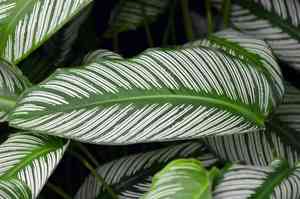
The Pin stripe plant is cherished for its striking leaves, adorned with elegant, pinkish-white stripes on dark green foliage, making it a favored option for indoor gardening. Hailing from tropical regions, it is a delicate plant, meaning it cannot endure frost or cold temperatures. As winter approaches, the dropping temperatures and reduced humidity levels can be detrimental to your Pin stripe plant. Therefore, it requires specific overwintering care to ensure it stays healthy and vibrant throughout the colder months.
When to Prepare Your Pin stripe plant for Winter
Ideal Timing for Indoor Transition
Timing is crucial when moving your Pin stripe plant indoors. You should begin this process before the season's first frost, which typically occurs in late autumn, depending on your location. As a general guideline, once nighttime temperatures fall below 15°C (59°F), itâs time to bring your plant inside. Starting the transition early prevents sudden shock from an abrupt environmental change and helps your plant adapt more smoothly.
Monitoring Weather Conditions
Vigilance regarding weather conditions is essential for determining the perfect time to relocate your Pin stripe plant indoors. Regularly check local weather forecasts and be aware of sudden temperature drops or early frost predictions. An unexpected cold snap can harm your plant's delicate foliage, so itâs better to be proactive. Installing a temperature gauge in your garden could also assist you in monitoring trends and making timely decisions.
How to Transition Pin stripe plant Indoors
Cleaning and Inspecting for Pests
Before bringing your Pin stripe plant inside, itâs crucial to give it a thorough cleaning. Examine each plant section for any signs of pests such as spider mites, aphids, or mealybugs, commonly found on the undersides of leaves. Gently wash the leaves using a water solution mixed with mild soap. Itâs advisable to quarantine the plant for a few days in a separate room to ensure no pests enter your home.
Gradual Acclimatization to Indoor Environment
Sudden shifts in light and temperature can stress your Pin stripe plant, leading to leaf drop or stunted growth. Begin by moving the plant to a shaded outdoor area or a partially indoor spot for a week. Gradually increase its indoor time each day to help it adjust to the indoor lighting and temperature. This gradual approach will minimize stress and make the transition smoother for the plant.
Indoor Care Tips for Pin stripe plant During Winter
Humidity and Temperature Requirements
The Pin stripe plant thrives in humidity levels of 60-70%. Using a humidifier in the room can help maintain this level. Alternatively, you can place the plant on a pebble tray filled with water. Ensure the indoor temperature stays between 18-24°C (65-75°F). Avoid placing the plant near drafty windows or heating vents, as temperature fluctuations can be harmful.
Watering and Feeding Schedule
Pin stripe plant prefers consistently moist soil, but itâs vital not to let it sit in water to prevent root rot. Water the plant when the top 2-3 cm (1 inch) of the soil feels dry. Reduce feeding during winter; a balanced, water-soluble fertilizer applied once a month is usually sufficient.
Light Requirements
Bright, indirect light is ideal for Pin stripe plant. East or west-facing windows that provide gentle morning or evening sun are perfect locations. Avoid direct sunlight, which can scorch the leaves. If needed, use grow lights to supplement light, especially in darker winter months.
Common Problems and Solutions for Overwintered Pin stripe plant
Dealing with Leaf Drop and Yellowing
Leaf drop and yellowing can occur due to stress from the transition or inadequate care. Ensure the plant receives sufficient indirect light and maintain the correct humidity and watering routine. If leaf drop persists, consider checking the soil for drainage issues or potential pest infestations.
Preventing and Treating Fungal Infections
Overwatering or high humidity in a poorly ventilated space can lead to fungal infections. If you notice white, powdery, or moldy spots, isolate the plant immediately. Use a fungicide spray and trim off the affected areas. Improve air circulation around the plant and adjust watering practices to prevent recurrence.



