Enhancing Your Garden Design with the Pin stripe plant Plant: A Landscaping Guide
1
Pin stripe plant flourishes optimally in filtered light, rendering it ideal for dim garden areas.
2
Consistent care assists Pin stripe plant in preserving its bright hues and lively look.
3
Combining Pin stripe plant with suitable companion plants boosts its aesthetic charm in your landscape.
Introducing the Pin stripe plant in Landscape Design
Why is the Pin stripe plant an excellent choice for garden and landscape aesthetics?
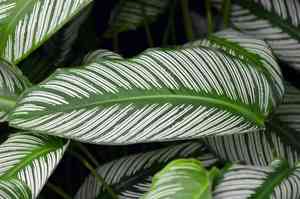
Selecting appropriate plants is key when planning your garden or landscape. The Pin stripe plant stands out due to its remarkably distinct appearance. Its vivid, striped leaves bring an exotic and lively element to any garden setting. This makes the Pin stripe plant not merely a plant, but a focal point that captures attention. Known for its moderate size and lush foliage, it can elevate the visual appeal of even simple gardens, offering a tropical feel without requiring vast outdoor areas.
The visual advantages of incorporating the Pin stripe plant into outdoor environments
Integrating the Pin stripe plant into your outdoor spaces can transform ordinary areas into vibrant, visually engaging spots. Its unique striped leaves offer a contemporary yet natural look, making it suitable for various garden styles, from modern to traditional. By breaking the monotony of green landscapes, the Pin stripe plant introduces a burst of color and pattern that can serve as a visual anchor, bringing coherence and an attractive centerpiece to your garden design.
Selecting the Ideal Location for the Pin stripe plant
Considerations for choosing a planting site for the Pin stripe plant
Picking the correct spot for planting the Pin stripe plant is vital for its growth and vibrancy. A primary consideration is the plant's need for indirect light. The Pin stripe plant thrives best in areas with dappled light, avoiding harsh direct sun that can scorch its leaves. Additionally, ensure the soil drains well and is rich in organic matter to supply necessary nutrients. Moisture levels are also important, so planting it in a consistently humid area will help it flourish.
How light exposure and shade impact the Pin stripe plant's development
Sunlight and shade significantly affect the Pin stripe plant's development. Though native to tropical regions, it prefers the protection of tree canopies, mimicking its natural habitat. Therefore, positioning the Pin stripe plant in partial to full shade ensures it gets sufficient light without suffering from overexposure. Proper shading intensifies its leaf coloration, making the pin stripes more distinct and vibrant, a true testament to its ornamental value.
Designing with the Pin stripe plant in Mind
Utilizing the Pin stripe plant as a central feature in garden arrangements
Designing a garden with the Pin stripe plant as a focal point can enhance its overall beauty. Given its unique look, the plant can serve as an eye-catching centerpiece around which other design elements are arranged. Consider surrounding the Pin stripe plant with more subtle, monochromatic plants to highlight its vibrant leaves, allowing it to stand out. Whether placed in the middle of a flower bed or as a statement piece along pathways, the Pin stripe plant can add depth and interest to your garden landscape.
Complementary plants that pair well with the Pin stripe plant
To boost the visual impact of the Pin stripe plant in your landscape, pairing it with complementary plants can be highly effective. Ferns, hostas, and other shade-loving plants with lush green foliage create a calm backdrop that makes the Pin stripe plant's stripes pop. Alternatively, combining the Pin stripe plant with plants featuring contrasting textures, like broad-leafed calatheas or fine-needled ornamental grasses, can improve the garden's overall texture and appeal.
Maintaining the Pin stripe plant in Your Landscape
Seasonal considerations for Pin stripe plant care
Maintaining the Pin stripe plant in your landscape involves some seasonal considerations. While the plant prefers warm, humid conditions, it can be quite sensitive to cold. During cooler months, providing frost protection is essential. Mulching around the base can help insulate the roots, and if temperatures drop significantly, covering the plant or moving it indoors temporarily might be necessary. Regular watering, adjusted to seasonal rainfall, is also crucial to keep the Pin stripe plant hydrated and thriving.
Adjusting landscape maintenance as the Pin stripe plant matures
As the Pin stripe plant matures, your landscape maintenance routine may need adjustments. Mature plants can tolerate slightly less frequent watering than younger ones, but they still require consistent moisture. Pruning older leaves that have lost their vibrancy helps maintain the plant's aesthetic. Additionally, mature Pin stripe plants benefit from periodic fertilization to replenish soil nutrients, encouraging continuous growth and vibrant foliage year-round.
Creative Concepts for Using the Pin stripe plant in Landscaping
Innovative methods to integrate the Pin stripe plant into contemporary landscaping designs
Integrating the Pin stripe plant into modern landscaping designs can create an impressive visual story. One creative approach is to use it in vertical gardens, where its striking foliage can form a living wall of color and texture. Another innovative idea is to plant the Pin stripe plant in decorative containers that can be moved to refresh your garden's look periodically. This plant also works well in themed gardens, such as tropical or zen gardens, where its exotic appearance complements the overall aesthetic beautifully.
Examples of breathtaking landscapes featuring the Pin stripe plant
There are numerous examples of stunning landscapes enhanced by the Pin stripe plant. For instance, in urban gardens with limited space, a single prominent Pin stripe plant can serve as an elegant centerpiece. In larger, more expansive landscapes, clusters of the Pin stripe plant can create a lush, green sanctuary. Public parks and botanical gardens worldwide have utilized the Pin stripe plant to add a touch of exotic elegance, showcasing its versatility and appeal. Its ability to blend seamlessly into diverse design styles, while still standing out, makes it a prized choice for landscape architects and amateur gardeners alike.



