How to Prune Pin stripe plant?
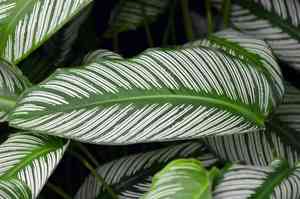
The unique striped foliage of the pin stripe plant introduces a tropical ambiance to interior spaces. To foster abundant growth, trim elongated stems close to the soil line, which stimulates denser leaf development. The most opportune time for this is in early spring or late winter, contributing to the plant's overall health and robustness. Remove any discolored or withered leaves at their base to preserve visual appeal and minimize the chance of illness. Always employ sanitized, sharp cutting tools to avoid harm. Consistent trimming aids the pin stripe plant by improving air movement and light exposure, both crucial for its decorative qualities.
What Are the Benefits of Pruning Pin Stripe Plant?
What Are the Benefits of Pruning Pin Stripe Plant?
Trimming pin stripe plant promotes robust development and maintains its distinctive form. Cutting back elongated stems encourages healthier, denser foliage, ensuring pin stripe plant remains an attractive focal point with strong vitality.
What Is the Best Time for Pruning Pin Stripe Plant?
What Is the Best Time for Pruning Pin Stripe Plant?
During late winter, pin stripe plant is often in a dormant state, which is the optimal period for pruning as the plant is less likely to suffer stress from leaf or branch loss. This timing also prevents cut wounds from being exposed to harsh winter conditions, thereby reducing the risk of frost damage. Pruning in early spring, just before the growth cycle begins, helps pin stripe plant direct its energy towards producing new, healthy growth. This period aligns with the plant's natural awakening from dormancy and can stimulate a vigorous growth response. It also allows gardeners to shape the plant and remove any damaged or diseased parts just before new foliage develops, thus helping to maintain the plant's health and overall aesthetic appeal.
What Tools Do I Need to Prune Pin Stripe Plant?
Sharp, Clean Precision Scissors
For the delicate leaves and stems of pin stripe plant, use sharp, clean precision scissors. This ensures accurate cuts that minimize tissue damage and promote rapid healing.
Fine Pruning Snips
Pin stripe plant may require the removal of yellowed or brown leaves. Fine pruning snips are perfect for this task as they can reach into dense foliage without harming nearby stems or leaves.
Sterilizing Solution
Before and after pruning pin stripe plant, tools should be disinfected with alcohol or a bleach solution. Sterilization prevents the spread of diseases between plants.
Gloves
Wearing gloves while pruning pin stripe plant protects the gardener's hands and ensures the plant does not come into contact with any oils or residues that could cause harm.
How to Prune Pin Stripe Plant
Step1: Sanitization of Pruning Tools
Sanitize Pruning Tools: Before you begin trimming pin stripe plant, sterilize your pruning shears or scissors with rubbing alcohol or a 10% bleach solution to prevent disease transmission.
Step2: Pre-Pruning Hydration
Water pin stripe plant: Ensure pin stripe plant is well-hydrated a day before you start pruning. Pruning a watered plant reduces stress on pin stripe plant and promotes better recovery.
Step3: Dead Leaf Removal
Remove Dead Leaves: Gently pull off any yellow or brown leaves that detach easily. If they resist, use your sterilized shears to snip the leaf off where it meets the main stem or soil line.
Step4: Damaged Stem Trimming
Trim Damaged Stems: Look for stems that are brown, blackened, or visibly damaged. Cut these stems back to the base or to the nearest healthy offshoot or node, making a clean, angled cut just above the node.
Step5: Correction of Leggy Growth
Address Leggy Growth: To encourage bushier growth, pinch or cut back elongated stems just above a leaf node. Choose a node located on the healthy part of the stem.
Step6: Plant Reshaping
Reshape pin stripe plant: Step back to assess the overall shape and use your shears to trim any stray leaves or stems that detract from the desired form of pin stripe plant.
Step7: Debris Cleanup
Clean Up: Remove all cuttings and fallen debris from the soil surface and around pin stripe plant, as this can attract pests or lead to fungal growth.
Step8: Post-Pruning Plant Care
Post-Pruning Care: Provide pin stripe plant with a balanced, water-soluble fertilizer to support new growth and water lightly. Avoid placing pin stripe plant under direct sunlight immediately after pruning.
Post-Pruning Care for Pin Stripe Plant
Post-Pruning Care for Pin Stripe Plant
Immediately after pruning pin stripe plant, ensure the plant is in an environment with bright, indirect light to facilitate healing. Maintain high humidity and stable temperatures between 65-75°F to support recovery. Apply a balanced, diluted liquid fertilizer to replenish nutrients, aiding new growth. Regularly inspect for any signs of stress or infection in the pruned areas, such as discolored leaves or rot. If symptoms are detected, promptly remove affected parts, and adjust care accordingly to prevent further damage.
Common Pruning Mistakes with Pin Stripe Plant
Using Dirty or Dull Pruning Tools
Failing to use clean, sharp tools can lead to jagged cuts that leave pin stripe plant vulnerable to pests and disease.
Over-pruning Reduces Plant Vigor
Excessive pruning or removing too much foliage at once can stress pin stripe plant, reducing its vitality and aesthetic appeal.
Improper Cutting Damages Growth Nodes
Cutting too close to the main stem or the node can damage pin stripe plant and impede new growth or recovery.
Pruning Regardless of Plant's Natural Shape
Ignoring the plant's natural shape and removing leaves that are not damaged or diseased can lead to sparse growth and affect pin stripe plant's ornamental value.
Misdirected Pruning on Healthy Foliage
Pruning healthy growth instead of focusing on dead, diseased, or damaged leaves can limit pin stripe plant's potential for lush, vibrant foliage.
Common Pruning Tips for Pin Stripe Plant
Sterilize Tools to Prevent Disease
Sterilize your pruning tools before use to prevent the spread of disease to pin stripe plant.
Encourage Branching with Node-Above Cuts
Prune just above a leaf node to encourage pin stripe plant to branch out, resulting in a fuller plant.
Maintain Health by Pruning Dead Leaves
Remove only the dead or yellowing leaves to maintain the health and appearance of pin stripe plant, ensuring not to cut back more than 25% of the foliage at a time.
Cut Spindly Growth for Robust Structure
Identify and cut away any leggy or spindly growth to promote a more robust and aesthetically pleasing structure for pin stripe plant.
Support Recovery with Water and Light Post-Pruning
After pruning, provide pin stripe plant with adequate water and light to support recovery and new growth.



