How Much Sunlight Do Garberia Need?
1
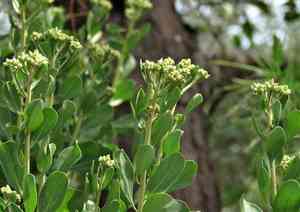
Garberia flourishes with over six hours of direct sun each day.
2
While some shade is acceptable, Garberia grows best in full sunlight.
3
Strategic placement and shading devices can alleviate sun-related stress.
Deciphering Garberia Light Requirements
Full Sun Versus Partial Shade
For Garberia, ample light is vital. This species flourishes in full sun, meaning it requires a minimum of 6 hours of direct sunlight daily. While it can endure some partial shade, excessive shade hinders its development, resulting in spindly plants with fewer blossoms. Aim for a location that provides full sun for most of the day.
Daily Illumination Duration
For optimal development, Garberia should receive 6 to 8 hours of sunlight each day. This consistent exposure aids the plant in generating energy through photosynthesis, thereby fostering vibrant flowers and robust foliage. If natural light is limited, consider relocating your Garberia or employing supplementary lighting to ensure it gets the necessary illumination.
Optimal Light Conditions for Garberia
Climatic Considerations
Garberia can thrive in diverse climates, but it's crucial to account for your local weather patterns. In regions with hot summers, ensure your Garberia has some protection during the intense afternoon heat. Conversely, in cooler areas, guarantee it receives ample morning sunlight to initiate the photosynthesis process.
Seasonal Light Fluctuations
Seasonal shifts can significantly impact the amount of sunlight your Garberia receives. During the shorter days of autumn and winter, adjusting its position might be necessary. Moving Garberia to a brighter spot or utilizing grow lights in colder months can help maintain its light intake, ensuring healthy growth throughout the year.
Indicators of Insufficient Light for Garberia
Recognizing Light Deprivation Symptoms
If your Garberia isn't receiving enough light, you'll observe several clear signs. These include elongated stems, sparse leaves, and a lack of blooms. The plant may also appear pale or lose its vivid coloration. Identifying these symptoms early allows for corrective actions to ensure your plant gets the light it needs.
Preventing Light-Induced Stress
While light is crucial, excessive direct and intense light can cause stress, especially on extremely hot days. Leaves might scorch, turn brown, or wilt. To prevent light stress, consider using shade cloths or temporarily moving the plant to a location with dappled sunlight during the hottest parts of the day.
Maximizing Light Exposure for Healthy Garberia Development
Positioning Your Garberia
The placement of your Garberia can greatly influence its light exposure. Position your plant in a south or west-facing area if possible, as these spots typically receive the most sunlight throughout the day. Ensure there are no obstructions like large trees or structures that could cast a shadow over your plant.
Utilizing Shade and Light Control Tools
To optimize your Garberia's light exposure, you can employ various tools. For instance, shade cloths can offer temporary protection during extreme heat, while reflective surfaces can help direct more sunlight towards your plant in shaded areas. Adjusting these tools based on the season and daily weather conditions can help maintain ideal light levels.
Common Questions Regarding Garberia Light Needs
Can Garberia Be Grown Indoors?
While Garberia is primarily an outdoor plant, it can be cultivated indoors if it receives adequate light. Place it by a south or west-facing window where it can get at least 6 hours of direct sunlight. If natural light is insufficient, supplementary grow lights can be used to ensure the plant's healthy development.
What Occurs if Garberia Receives Too Much Sun?
Excessive sunlight, particularly during scorching summer days, can stress your Garberia. Symptoms of too much sun include leaf scorching, dehydration, and wilting. To mitigate this, provide some shade during peak heat hours and ensure it is adequately watered to prevent stress and maintain its vitality.



