How to Propagate Garberia?
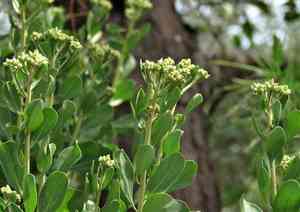
Garberia can be successfully multiplied by seeding. Cultivators ought to begin with superior, new seeds to enhance sprouting success. Disperse seeds on the surface of a substrate that drains well and is rich in compost, ensuring they are not deeply covered, as garberia needs illumination for best germination. Keep the medium uniformly moist without saturating it, and supply mild warmth to foster an ideal setting for young plants to appear. After they are rooted, the young plants can be gently moved to separate containers before being placed in their permanent cultivation spots.
Optimal Period for Garberia Propagation
Propagation Method
Cutting
Propagation Period
Autumn,Winter
Tools for Garberia Propagation
Sharp Pruning Shears
Sharp pruning shears are vital for obtaining healthy garberia cuttings. They allow for clean cuts without harming plant tissues, which is key for preventing infection and encouraging rapid healing. The blades should be stainless steel for durability and to maintain sharpness over extended use, especially useful for garberia's fibrous stems.
Rooting Hormone
Rooting hormone enhances the likelihood of successful root formation in garberia cuttings. This aid is particularly advantageous as it accelerates root growth, leading to a higher propagation success rate. Both powder and gel forms are effective, with gel often providing more consistent coverage on the cut stem, improving absorption and efficacy.
Propagation Trays
Propagation trays are utilized to organize and maintain garberia cuttings in a controlled setting. These trays assist in managing moisture levels and offer ample space for each cutting, reducing the risk of fungal diseases. Trays with drainage holes are preferred to prevent waterlogging, which is crucial for delicate garberia cuttings.
Sterilizing Agent
A sterilizing agent (such as rubbing alcohol or a bleach solution) is necessary for cleaning tools before cutting garberia. Sterilization prevents the transmission of pathogens to the cuttings, ensuring their health and viability. This tool is significant as it fosters a clean propagation environment, lowering the risk of disease that could jeopardize the propagation process.
Moisture-retaining Medium
A moisture-retaining medium like perlite, vermiculite, or a sterile potting mix is essential for garberia propagation. These materials facilitate the necessary aeration and moisture retention conducive to root development. They ensure that the delicate new roots of garberia cuttings receive optimal hydration without the risk of rotting, which promotes healthy growth and establishment.
How to Propagate Garberia?
Propagation Difficulty
Moderately Difficult
Caring for Newly Propagated Garberia
Caring for Newly Propagated Garberia
Once roots are established, gradually acclimate the new garberia plants to less humid conditions before moving them to a permanent outdoor spot. Ensure they are planted in light, well-drained soil with partial shade to full sun exposure, depending on your local climate. Continue regular watering until the plants are fully established and natural rainfall meets their water needs. Also, monitor for pests and diseases, especially during the initial outdoor transplanting phase.
Common Errors to Avoid When Propagating Garberia
Overwatering cuttings
Excessive moisture around garberia stem cuttings can lead to fungal infections or stem rot, compromising the cutting's health before it can establish roots.
Ignoring humidity requirements
Failure to maintain a humid environment for garberia during propagation negatively impacts the cuttings' ability to retain moisture, resulting in desiccation and poor root development.
Using overly mature stem cuttings
Selecting older, woodier garberia stems may lead to reduced rooting efficiency because these mature stems are often more challenging to root compared to younger, more flexible stems.
Tips For Propagating Garberia
Use a well-draining soil mix
Garberia thrives in a light, airy soil mix that supports good drainage, thereby preventing root rot and encouraging healthier root development in cuttings.
Maintain appropriate humidity
Enclosing the garberia propagation setup in a plastic cover or using a humidity dome helps preserve moisture and create an ideal environment for cuttings to form new roots.
Select semi-hardwood cuttings
Opting for semi-hardwood garberia cuttingsâneither too young nor too matureâoptimizes rooting potential and overall growth stability during the propagation phase.



