How to Prune Garberia?
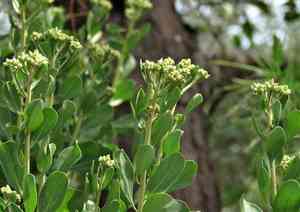
Garberia, a bush prized for its decorative qualities and attractiveness to fauna, flourishes with judicious trimming to preserve its form and foster vigorous development. Perform pruning from late spring to early summer, following the blooming period, to stimulate the formation of new buds. Removing excessively long branches and deadheading faded blossoms improves air movement and light exposure. Advantageously, pruning reduces the likelihood of disease and can revitalize future flowering. Diligent upkeep guarantees the hardiness and visual appeal of this species in horticultural arrangements.
What Are the Benefits of Pruning Garberia?
What Are the Benefits of Pruning Garberia?
Trimming garberia promotes abundant flowering and strong vitality by eliminating dead or diseased tissues, thereby enhancing its resistance to pests and illnesses while preserving its vigor.
What Is the Best Time for Pruning Garberia?
What Is the Best Time for Pruning Garberia?
Pruning garberia in late spring or early summer coincides with its period of new growth following winter dormancy, ensuring the removal of any frost damage and stimulating robust development. Pruning at this time allows gardeners to shape the plant before it allocates energy to developing flowers or seeds. Additionally, this prevents the potential loss of the current year's floral display, as garberia typically blooms after the recommended pruning period, ensuring pollinators are not negatively impacted. The timing also minimizes stress on garberia, encourages faster healing of pruning wounds, and reduces the risk of disease or pest infestation that can occur in damper, cooler seasons.
What Tools Do I Need to Prune Garberia?
Hand Pruners
Perfect for making precise cuts on smaller stems, enabling careful shaping and upkeep of garberia.
Loppers
Offer extended reach and leverage for thicker branches that hand pruners cannot manage, ensuring clean cuts without harming garberia.
Pruning Saw
Essential for larger branches too thick for hand pruners and loppers, allowing for efficient removal without tearing or injuring garberia.
Gloves
Shield hands from thorns and rough plant material during the pruning process of garberia.
Pruning Shears
Useful for snipping smaller, delicate stems and for providing a more refined shape to garberia.
How to Prune Garberia
Sterilization
Sanitize your pruning tools to prevent the spread of disease when trimming garberia.
Removal Of Diseased And Withered Parts
Remove all diseased leaves, withered leaves, and withered flowers from garberia to encourage healthy growth and appearance.
Dead Branches
Carefully cut any dead branches from garberia, making clean cuts close to the main stem to aid healing and minimize stress.
Excess Growth
Trim back overly long branches on garberia to maintain plant form and promote air circulation, which can lessen the chance of disease.
Final Checks
After pruning, inspect garberia for any remaining diseased or damaged parts, and remove them to ensure a healthy plant structure.
Common Pruning Mistakes with Garberia
Overpruning
Removing too much foliage at once can stress garberia, leading to stunted growth or reduced flowering.
Improper Cut Locations
Cutting too far from a bud or node can result in dead stubs that are unsightly and can invite disease.
Using Dull Tools
Blunt pruning tools may cause damage to the stems of garberia, which can impede the healing process and encourage disease.
Pruning Healthy Growth
Removing healthy stems and foliage without cause can limit the vigor and potential bloom of garberia.
Neglecting Shape
Failing to consider the natural form of garberia while pruning can result in an unbalanced or unnatural appearance.
Common Pruning Tips for Garberia
Clean Cuts
Make clean, angled cuts just above a node or set of leaves to encourage new growth in the desired direction.
Disinfect Tools
Sanitize pruning tools before and after use to prevent the spread of disease to or from garberia.
Thin Out
Remove some of the inner branches to allow light and air to reach the center of garberia, which will improve health and flowering.
Deadheading
Regularly remove spent flowers to promote further blooming and prevent garberia from expending energy on seed production.
Monitor Growth
Regularly check garberia for dead, damaged, or diseased branches, and prune them away to maintain plant health.



