The Garberia Plant Advantage: Maximizing Home and Office Appeal and Wellness
1
Garberia makes an excellent choice for regional landscapes because of its ability to withstand dry conditions.
2
This bush draws in beneficial insects such as bees and butterflies, aiding native ecosystems.
3
Garberia's strong root network assists in averting soil degradation.
What Makes Garberia Unique?
Characteristics and Growth
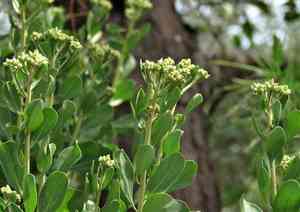
A key feature distinguishing Garberia is its capacity to thrive in diverse soil types, particularly the sandy soils common in its native Florida. This plant typically reaches a height of 3-6 feet and displays slender, evergreen foliage that offers year-round greenery. Its purple-pink blossoms, appearing in late summer and fall, introduce a vibrant hue, making this shrub an excellent decorative plant.
Hardiness and Maintenance
Garberia is notably resistant to drought, a trait that makes it an easy-care option for both new and experienced gardeners. Once rooted, it needs minimal watering, thereby conserving water. Its compact size and slow growth rate reduce the need for frequent trimming, making it an ideal choice for those who prefer a hands-off gardening approach.
Ecological Benefits of Garberia
Attracts Pollinators
A significant ecological advantage of Garberia is its ability to draw in various pollinators. Bees, butterflies, and other beneficial insects are drawn to its colorful blooms, aiding in pollination and fostering a healthy ecosystem. This not only assists Garberia's reproduction but also supports nearby plants.
Supports Local Wildlife
Garberia does more than just attract pollinators; it also offers sustenance and shelter for local wildlife. Birds and small mammals can benefit from the protection and food sources provided by this shrub. Its dense leaves offer refuge from predators, making it a valuable addition to any wildlife-friendly garden.
Soil and Erosion Control
Improves Soil Quality
Garberia's roots play a vital role in enhancing soil structure. These roots are skilled at reaching deeper soil layers, thereby improving water penetration and reducing surface runoff. This leads to better soil aeration and fertility, allowing other plants to flourish in the same area.
Prevents Erosion
In areas susceptible to soil erosion, Garberia proves invaluable. Its robust root system binds the soil, lessening the risk of erosion caused by wind and rain. Planting Garberia on slopes or in erosion-prone areas can thus serve as an effective natural solution to soil degradation.
Landscape Aesthetic and Functional Uses
Ornamental Value
Garberia is not only practical; it is also visually appealing. The shrub's evergreen leaves provide year-round visual interest, while its seasonal flowers add splashes of color. Its adaptability allows it to be used in various landscaping designs, from formal gardens to naturalistic settings.
Functional Landscaping
Beyond its appearance, Garberia can be used to form natural hedges or borders. Its dense growth habit makes it an effective privacy screen, while its height can act as a windbreak. Additionally, its low water needs make it an excellent choice for xeriscapingâlandscaping designed to minimize or eliminate the need for irrigation.
How to Incorporate Garberia into Your Garden
Planting Tips
When planting Garberia, it is crucial to select a sunny spot with well-draining soil. While it tolerates poor soil conditions, adding compost or other organic matter can give young plants a strong start. Position plants about 3-4 feet apart to allow them ample space to grow and fill in.
Maintenance Practices
Minimal upkeep is needed once Garberia is established. Consistent watering is essential during the initial growth phase, but this can be reduced as the plant matures. Annual trimming can help maintain its shape and encourage new growth. Monitoring for pests and diseases ensures the plant stays healthy and continues to offer its many benefits.



