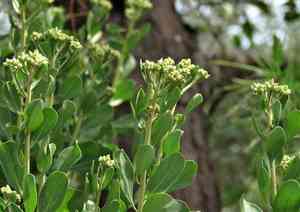
Garberia (Garberia heterophylla)
Also known as: Garberia
Garberia heterophylla is a threatened species in Florida, recognized for its vibrant flowers that draw bees and other pollinators. Named in honor of American botanist Abraham Garber, its scientific name combines Greek words meaning "different" and "leaf," aptly describing this delicate plant.
In This Article
Attributes of Garberia
Lifespan
Perennial
Plant Type
Shrub
Plant Height
1.2 m to 2.5 m
Spread
1.8 m to 2.5 m
Leaf Color
Green Blue
Flower Size
2.5 cm
Flower Color
White Pink
Images of Garberia
Quickly Identify Garberia
1
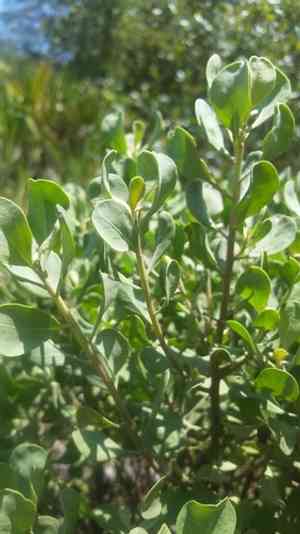
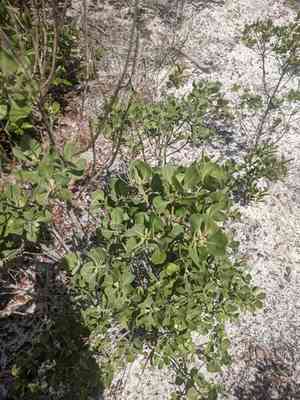
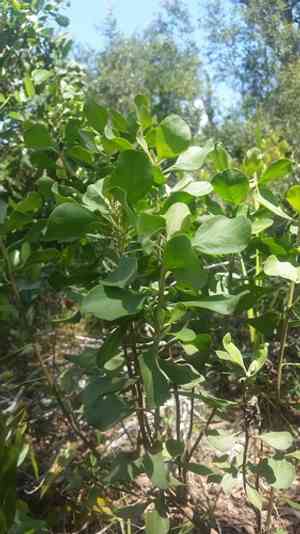
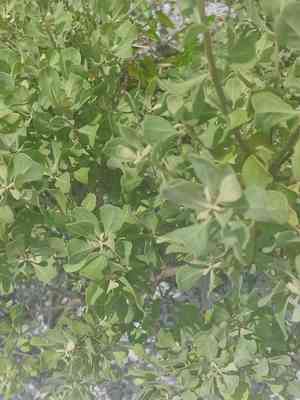
Identify Garberia heterophylla by its lavender-pink flowers arranged in clusters, its evergreen leaves that vary in shape (hence \'heterophylla\'), and its shrubby growth form. The plant typically blooms from late fall to early spring.
Scientific Classification of Garberia
Phylum
Vascular plants
Class
Dicotyledons
Order
Asterales
Family
Daisy
Genus
Garberia
Species
Garberia
Planting and Growing of Garberia
Care Difficulty
Easy
Watering Schedule
Every 2 days
Sunlight Requirements
Full sun
Sunshine Duration
6-10 hours
Ideal Temperature
65-75℉
Soil Type
Potting Mix, Peat Mix
Soil pH
6.5-7.5
Fertilizer Type
Balanced
Pruning Season
Spring, Summer
Pruning Area
Branches, Leaves
Pruning Frequency
2 times a year
Repotting Season
Spring
Pot Type
Plastic, Terracotta
 How to Water Garberia?
Garberia heterophylla thrives when the soil is kept slightly moist, but not waterlogged. A general rule is to water until the top 2 inches of soil are moist, which typically requires about 250 ml of water under moderate climate conditions.
What are the symptoms of an underwatered Garberia?
›
What should I do if my Garberia is not getting enough water?
›
What are the symptoms of an overwatered Garberia?
›
How to save an overwatered Garberia?
›
 What Are the Sunlight Requirements for Garberia?
Garberia heterophylla prefers full sun exposure, which significantly enhances its growth and flowering capabilities, ensuring vibrant and healthy development.
More About Sunlight Requirements Techniques→
What type of sunlight is best for Garberia heterophylla?
›
How to ensure proper sunlight exposure for this plant?
›
What benefits does ideal sunlight provide for the plant?
›
 What Is the Ideal Temperature Range for Garberia?
Garberia heterophylla thrives in temperatures ranging from 65°F to 75°F. This range provides optimal growth conditions by ensuring adequate photosynthesis and metabolic functions necessary for its development.
 What Soil is Best for Garberia?
Garberia heterophylla thrives in well-draining soil to prevent root rot. Sandy soils allow excess water to escape quickly, keeping roots healthy and promoting robust growth. This plant does not require overly rich soils; moderate nutrients are sufficient. The natural nutrient levels found in sandy loam support steady growth without overwhelming the plant. With a tolerance for pH between 6.5 and 7.5, maintaining a neutral to slightly acidic environment helps Garberia heterophylla to absorb nutrients effectively.
 How to Fertilize Garberia?
Garberia heterophylla requires moderate fertilization, meaning a balanced N-P-K ratio, such as 10-10-10, is ideal. For liquid fertilizers, use approximately one tablespoon per gallon of water to ensure the plant receives the right nutrients without risk of over-fertilization.
 How to Prune Garberia?
Begin by removing any dead or diseased branches using clean, sharp shears. Cut at a 45-degree angle above a node or bud facing outward. Trim back one-third of the oldest branches to the ground to encourage new growth. For shaping, make cuts just above outward-facing buds. Regular trims during the season can be done to shape the plant and remove spent flowers.
More About Pruning Techniques→
 How to Propagate Garberia plant?
1
For seed propagation, collect seeds from mature plants during the late summer. For cutting propagation, select healthy stems, ideally with no flowers, and cut below a node.
2
Prepare a well-draining soil mix consisting of equal parts peat moss, perlite, and vermiculite. This mix provides good aeration and drainage, essential for seed germination and root development.
3
Plant seeds about a half-inch deep. For cuttings, dip the cut end in rooting hormone, insert it into the soil, and water lightly to moisten the soil, maintaining consistent moisture levels.
 How to Repot Garberia plant?
1
Garberia heterophylla needs repotting when you notice roots circling around the pot or poking out from drainage holes in the container. Spring and autumn are optimal seasons as the plant is actively growing, making it easier to adjust to new conditions. Check for compacted soil or slow growth as signals for repotting needs.
2
Choose a pot that is just one size larger than its current container. This allows sufficient space for the roots to expand without overwhelming the plant, which could lead to stress and water retention issues. Opt for pots with drainage holes to prevent waterlogging, which can cause root rot.
3
Use a well-draining sandy mix that mimics its native conditions. This type of soil reduces the risk of waterlogging and promotes healthy root development. It ensures good aeration and nutrient uptake, supporting the plant as it adapts to its new pot.
Learn More About Garberia Diseases
Anthracnose
Bacterial Leaf Spot
Bacterial Soft Rot
Chemical Injury
Crown Gall
Cyst Nematode
Damping-off
Downy Mildew
Drought Stress
Fusarium Wilt
Gray Mold
Leaf Spot
Mosaic
Nutrient Deficiency
Nutrient Toxicity
Powdery Mildew
Root Rot
Root-knot Nematode
Rusts
Sooty Mold
Spider Mites
Temperature Stress
Thrips Damage
White Mold



