How Much Sunlight Do Yellow fritillary Need?
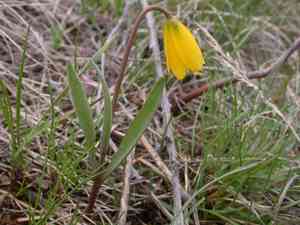
1
Yellow fritillary flourishes with over six hours of direct sunlight each day.
2
While full sun is optimal, Yellow fritillary can endure conditions with some shade.
3
Strategic positioning helps avoid problems such as leaf scorching or inadequate light indicators.
Optimal Sunlight Conditions for Yellow fritillary
Ideal Sunlight Hours
When cultivating Yellow fritillary, assessing its light exposure is crucial. This vibrant plant flourishes in full sun, requiring over 6 hours of direct sunlight daily for optimal growth and flowering. Ample sunlight enables efficient photosynthesis, fostering robust development and brilliant yellow blooms. Positioning Yellow fritillary in a well-lit area is vital for its overall health and vitality.
Seasonal Sunlight Variations
Yellow fritillary's light needs can fluctuate with the seasons. During spring and summer, with longer days, it thrives in more intense sunlight. As autumn approaches and light diminishes, it still performs well, though growth may slow. Ensure your plant receives maximum sun exposure during its primary growing season to maximize its flowering period.
Can Yellow fritillary Grow in Low Light?
Shade Tolerance
While Yellow fritillary prefers full sun, it can endure partial shade. Partial shade means it will get roughly 3-6 hours of sunlight, typically during cooler parts of the day like early morning or late afternoon. In these conditions, the plant might not bloom as profusely as in full sun, but it can still survive. Evaluate your location's light conditions to see if partial shade suits your planting requirements.
Signs of Insufficient Light
If Yellow fritillary lacks adequate light, it will display specific signs of stress. Common indicators include elongated or weak growth, fewer or smaller flowers, and a generally feeble appearance. Sometimes, the plant's leaves may lighten or stretch towards the light source, signaling a need for more sun. If these signs appear, consider relocating your plant to a brighter spot for recovery.
Impact of Too Much Sunlight on Yellow fritillary
Sunburn Symptoms
Despite its sun preference, Yellow fritillary can suffer from excessive direct sunlight, especially during midday in very hot climates. Sunburn signs include browning or scorching of leaves and petals, dry soil, and wilting. To prevent sunburn, ensure the plant gets at least 6 hours of sun, but consider providing some shade during the hottest part of the day if you live in a particularly warm region.
Preventive Measures
To shield your Yellow fritillary from intense sunlight, consider using garden fabric or strategically placing taller plants nearby to offer partial shade during peak sun hours. Mulching around the base can help retain soil moisture, reducing the risk of the plant drying out. Additionally, consistent watering can help the plant cope with strong sunlight, especially during the warmest months.
Best Locations for Planting Yellow fritillary
Outdoor vs. Indoor Placement
The optimal spot for planting Yellow fritillary is typically outdoors in a sunny area. However, it can also be cultivated indoors if positioned in a location receiving ample sunlight, such as a south-facing window. Outdoor planting generally allows for better light exposure and natural growth conditions, while indoor planting necessitates placing the plant for maximum sunlight.
Companion Planting
Companion planting is an excellent method to enhance Yellow fritillary's growth. Consider planting it alongside taller plants that can offer partial shade without completely obscuring it. It's important to select companion plants with similar soil and watering needs to create a balanced garden environment. Ideal companions include other sun-loving perennials that can tolerate the same full to partial sun conditions.



