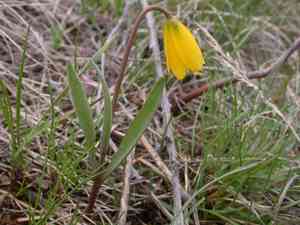
Yellow fritillary (Fritillaria pudica)
Also known as: Yellow bells
The Glacier Lily (Erythronium grandiflorum) is a relative of lilies found across the western United States and parts of Canada. Its delicate flowers appear shortly after the snow melts. Bears especially enjoy eating the nutritious bulbs of this plant.
In This Article
Attributes of Yellow fritillary
Lifespan
Perennial
Plant Type
Herb
Plant Height
8 cm to 30 cm
Spread
30 cm
Leaf Color
Green
Flower Size
1.3 cm to 2 cm
Flower Color
Yellow Red Orange
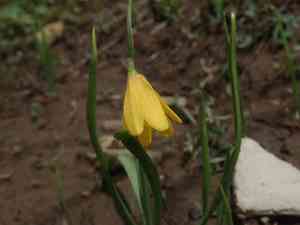
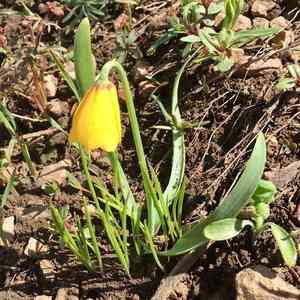
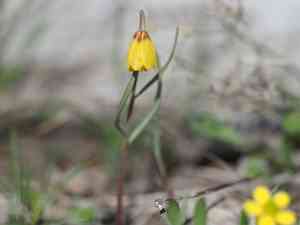
Images of Yellow fritillary
Quickly Identify Yellow fritillary
1
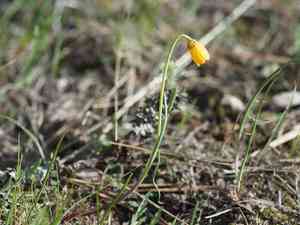
The plant can be identified by its yellow, pendant-like flowers that are bell-shaped. The leaves are narrow and lance-shaped, often in whorls around the stem. The plant typically grows in well-drained soils.
Scientific Classification of Yellow fritillary
Phylum
Vascular plants
Class
Monocotyledons
Order
Liliales
Family
Lily
Genus
Fritillaries
Species
Yellow fritillary
Planting and Growing of Yellow fritillary
Care Difficulty
Easy
Watering Schedule
Every 2 days
Sunlight Requirements
Partial sun
Sunshine Duration
4-8 hours
Ideal Temperature
50-68℉
Soil Type
Potting Mix, Peat Mix
Soil pH
6.5-7.5
Fertilizer Type
Balanced
Pruning Season
Spring, Summer
Pruning Area
Branches, Leaves
Pruning Frequency
Once a year
Repotting Season
Spring
Pot Type
Plastic, Ceramic
 How to Water Yellow fritillary?
Fritillaria pudica thrives when watered lightly, around 100 milliliters each time. Ensure the soil is moderately moist but never waterlogged. Wait until the top inch of soil dries out before the next watering. Consistent moisture helps the plant develop sturdy roots and maintain healthy growth.
What are the symptoms of an underwatered Yellow fritillary?
›
What should I do if my Yellow fritillary is not getting enough water?
›
What are the symptoms of an overwatered Yellow fritillary?
›
How to save an overwatered Yellow fritillary?
›
 What Are the Sunlight Requirements for Yellow fritillary?
Partial sun to full sun is optimal for Fritillaria pudica. Receiving consistent daily sunlight allows for healthy photosynthesis, resulting in robust growth and vibrant flowering.
More About Sunlight Requirements Techniques→
What is the ideal sunlight exposure for Fritillaria pudica?
›
How to achieve ideal sunlight conditions for Fritillaria pudica?
›
What benefits does ideal sunlight provide to Fritillaria pudica?
›
 What Is the Ideal Temperature Range for Yellow fritillary?
The ideal temperature range for Fritillaria pudica is between 50°F and 68°F, where the plant thrives best. This range allows it to grow optimally, facilitating proper flowering and leaf development.
 What Soil is Best for Yellow fritillary?
Fritillaria pudica thrives in well-draining soil to prevent waterlogging. Adequate drainage ensures the roots do not stand in water, thus reducing the risk of root rot and allowing for a robust growth cycle. This plant prefers soil rich in organic matter, which provides essential nutrients. Such nutrient content supports vibrant blooms and healthy foliage, crucial for the aesthetic charm of Fritillaria pudica. While the soil should drain well, it must also retain enough moisture to sustain the plant between waterings. This balance allows the plant to absorb nutrients effectively, promoting vigorous growth and resilience.
 How to Fertilize Yellow fritillary?
For Fritillaria pudica, use a balanced fertilizer with a low concentration. Dilute liquid fertilizer to half strength, approximately 5-10 ml per liter of water, ensuring it is evenly distributed across the soil to avoid any potential build-up of nutrients.
 How to Prune Yellow fritillary?
The best time to prune Fritillaria pudica is after it has finished flowering in late spring. Carefully remove spent flowers by snipping them at the base of the bloom. This process encourages the plant to focus its energy on strengthening the bulb for the next growing season. As Fritillaria pudica begins to transition into its dormancy phase in mid-summer, yellowing leaves may appear. These should be trimmed back to prevent the risk of pests and diseases, and to tidy the plant's appearance. Use sharp, clean scissors or pruning shears to make a clean cut at the base of the stem.
More About Pruning Techniques→
 How to Propagate Yellow fritillary plant?
1
Collect ripe seeds from Fritillaria pudica and store them in a cool, dry place until ready to plant. Before sowing, soak the seeds in water for 24 hours to encourage quicker germination.
2
Sow the seeds in a seed tray filled with a quality potting mix. Slightly press the seeds into the soil surface and cover them with a thin layer of potting mix. Water gently to moisten the soil without washing the seeds away.
3
Place the seed tray in a location with indirect sunlight and maintain a temperature of around 15-20°C (59-68°F). Keep the soil consistently moist but not waterlogged to support germination, which can take several weeks.
 How to Repot Yellow fritillary plant?
1
Fritillaria pudica signals its need for repotting when the bulbs become crowded and growth appears stunted. The ideal time is when the plant is dormant, either in early spring or autumn, when it's more resilient to the stress of repotting.
2
Select a pot that's slightly larger in diameter than the current one but not excessively so, to prevent waterlogging and root rot. Good drainage is crucial, so consider pots with multiple drainage holes to ensure the plant's health.
3
Opt for a well-draining loamy soil that mimics its natural habitat. This ensures the soil doesn't retain excess moisture, reducing the risk of bulb rot and providing the ideal environment for healthy growth.



