How to Overwinter Yellow fritillary
1
Yellow fritillary flourishes in USDA zones 4-7.
2
A 5-10 cm (2-4 inch) layer of mulch can shield your Yellow fritillary from freezing temperatures.
3
Before storing for winter, check Yellow fritillary bulbs for any indications of decay or fungus.
What Does it Mean to Overwinter Yellow fritillary?
What Does it Mean to Overwinter Yellow fritillary?
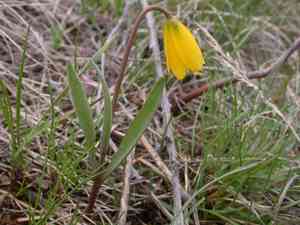
Overwintering involves safeguarding your Yellow fritillary (Fritillaria pudica) during colder periods, ensuring its health and readiness for spring growth. This process is crucial for perennials like the Yellow fritillary, known for their vibrant yellow flowers but needing care to thrive through winter. By taking specific steps before and during winter, you can ensure your plant remains vibrant and healthy when warmer months return.
Preparing Your Yellow fritillary for Winter
Inspecting the Plant
Before winter preparation, check your Yellow fritillary for any signs of disease or pest issues. Examine bulbs for rot or mold, as these can worsen over winter. Problematic bulbs should be treated promptlyâeither by trimming affected areas or using fungicide if needed. Healthy bulbs are vital for successful overwintering.
Cutting Back the Foliage
As winter nears, it's important to cut back the foliage of your Yellow fritillary. Once leaves have yellowed and naturally died back, trim them to the base. This helps the plant conserve energy and reduces rot and disease risk during moist winter months.
Soil Preparation
Preparing the soil is a critical step in overwintering Yellow fritillary. Ensure the soil drains well to prevent waterlogging, which can cause bulb rot. You can amend the soil with sand or organic matter to improve drainage. Also, remove any debris or weeds around the plant to reduce pest risk.
How to Protect Yellow fritillary From Frost?
Mulching Techniques
Mulching is one of the best ways to protect your Yellow fritillary from frost. Apply a layer of mulch about 5-10 centimeters (2-4 inches) thick over the planting area to insulate the soil and keep bulbs warm. Organic materials like straw, pine needles, or shredded leaves make excellent mulch. This layer will help regulate soil temperature and moisture levels, providing a stable environment for the bulbs.
Using Protective Covers
In particularly harsh climates, using protective covers such as frost blankets can provide an extra layer of insulation. These covers should be placed over the mulched area and secured to prevent wind from blowing them away. Remember to remove the covers during the day if temperatures rise above freezing to avoid overheating the plants.
Common Overwintering Issues and Solutions
Pest Infestations
Overwintering plants can sometimes attract pests like aphids or bulb mites. Regularly inspect plants and soil throughout winter and use appropriate organic pest control methods if necessary. Neem oil or insecticidal soap can be effective options.
Fungal Diseases
Fungal diseases can be a problem if bulbs and soil remain too wet. To combat this, ensure good airflow around the plant and avoid overwatering. If you notice any signs of fungal infection, such as soft, discolored spots on bulbs, treat them immediately with an appropriate fungicide.
Waterlogging
Waterlogging can occur if the soil is not properly drained, leading to bulb rot. To prevent this, make sure the planting area is well-drained by adding sand or organic matter to the soil. Elevating the planting area slightly can also help improve drainage.



