How to Prune Yellow fritillary?
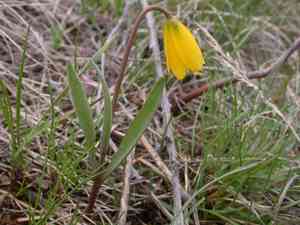
This perennial, characterized by its bulbous structure and vivid yellow blossoms, needs very little trimming. Remove faded flowers of yellow fritillary to stimulate subsequent development. Following the blooming period, permit the leaves to wither organically, as this process restores the bulb's stored nourishment. In autumn, snip off any foliage that is dead or turning yellow. The most suitable periods for pruning are late spring, after the flowers have faded, or early autumn. Pruning aids yellow fritillary by preserving its well-being, fostering robust development, and improving the following season's flowering.
What Are the Benefits of Pruning Yellow Fritillary?
What Are the Benefits of Pruning Yellow Fritillary?
Trimming yellow fritillary promotes more abundant blooms and robust development, while preserving the plant's compact form for visual appeal.
What Is the Best Time for Pruning Yellow Fritillary?
What Is the Best Time for Pruning Yellow Fritillary?
The chosen periods are based on yellow fritillary's dormant and active growth stages. In Late Spring, yellow fritillary finishes blooming, and its foliage starts to wither, making it easier to spot and remove spent flower stalks without harming the plant. Pruning at this time helps redirect the plant's energy to the bulb, improving next year's growth. Early Summer is suitable for cutting back any excess foliage that hasn't naturally died off, ensuring the bulb's energy isn't wasted on unnecessary leaves. Fall is not advised for pruning as yellow fritillary may be preparing for winter dormancy, and pruning could hinder the essential energy reserves needed for the subsequent flowering season. Proper pruning ensures plant vitality and maximizes flowering potential for the following season, aligning with yellow fritillary's natural cycle.
What Tools Do I Need to Prune Yellow Fritillary?
Hand Pruners
Perfect for accurate cuts, enabling gardeners to carefully remove faded flowers and damaged or diseased tissue without harming yellow fritillary's delicate stems.
Garden Scissors
These provide greater control and are less likely to damage yellow fritillary's thin stems when deadheading or shaping the plant.
Pruning Snips
With their sharp, pointed blades, pruning snips are ideal for reaching into dense foliage to clip off unwanted or dead growth without disturbing the rest of yellow fritillary.
How to Prune Yellow Fritillary
Identify
Inspect yellow fritillary for any diseased leaves, withered leaves, and withered flowers. Start with the most obviously damaged or unhealthy parts, as these should be the first to be removed during pruning.
Disinfect
Clean and sanitize pruning tools before starting to prevent the spread of any disease to healthy parts of yellow fritillary. Use a bleach or alcohol solution to wipe down blades.
Prune diseased
Gently remove diseased leaves from yellow fritillary by snipping them off at the base where the leaf stem meets the main plant stalk. Avoid pulling leaves off to prevent damage to the plant's structure.
Remove withered
Cut back withered leaves and spent flowers down to the stem's base, using sharp, clean shears. Make a clean cut to encourage healthy regrowth and reduce the risk of disease for yellow fritillary.
Cleanup
Gather all removed material from around yellow fritillary and dispose of it properly to prevent any fungal or bacterial diseases from spreading. Clean the pruning tools again after finishing.
Common Pruning Mistakes with Yellow Fritillary
Overpruning
New gardeners might believe removing a large amount of foliage will stimulate new growth. However, excessive pruning can stress yellow fritillary, leading to reduced vigor and poor flowering.
Imprecise cuts
Poor cutting technique can harm yellow fritillary. Cuts should be clean and at appropriate angles to prevent damage to the plant's structure.
Removing healthy tissue
Unnecessarily cutting away healthy leaves or stems can limit yellow fritillary's ability to photosynthesize and thrive.
Pruning without sterilization
Failing to use sterilized tools can introduce pathogens to yellow fritillary, increasing the risk of disease.
Ignoring plant phase
Pruning yellow fritillary without considering its growth cycle may disrupt its natural progression, potentially affecting its health and blooming patterns.
Common Pruning Tips for Yellow Fritillary
Sharp tools
Use sharp, clean pruning tools to make precise cuts that will heal quickly, minimizing stress on yellow fritillary.
Selective thinning
Thin out overcrowded areas to improve air circulation and light penetration, which is beneficial for yellow fritillary's growth and flower development.
Conserve photosynthetic area
Retain as much of the leafy growth as possible to ensure yellow fritillary has adequate energy for growth and flowering.
Time pruning correctly
Though timing information is excluded, ensure pruning is carried out in alignment with yellow fritillary's growth stage for optimal health and vigor.
Consider plant health
Evaluate the health of yellow fritillary before pruning. Remove only diseased or dead material to maintain a healthy plant structure.



