How Much Sunlight Do English sundew Need?
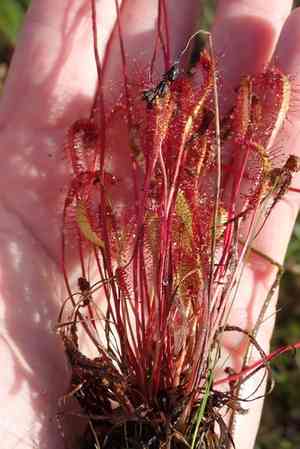
1
English sundews flourish with 2-4 hours of direct sun each day, yet they can handle indirect light for the remaining hours.
2
Excessive direct sun exposure may lead to sunburn on English sundews, appearing as browned or scorched foliage.
3
In winter, augment natural light with fluorescent or LED grow lamps to support robust development.
The Importance of Sunlight for English Sundew
Photosynthesis Process
Sunlight is vital for the English sundew as it fuels photosynthesis, the method by which plants convert light energy into chemical energy. This energy supports the plant's development and allows it to create the sugars and nutrients required for flourishing. Without sufficient sunlight, your English sundew cannot perform photosynthesis effectively, leading to hindered growth and poor health.
Growth and Development
Sunlight does more than just power photosynthesis; it also drives the overall growth and maturation of the English sundew. Light cues inform the plant when to grow, flower, and even when to rest. Appropriate light conditions help maintain the plantâs natural cycle, which is crucial for its long-term health.
Health and Vigor
Adequate sunlight ensures your English sundew remains robust and thriving. Sunlight aids the plant in strengthening its immune system, making it less vulnerable to diseases and pests. A plant receiving ample sun is often more vibrant, with richly colored foliage and strong growth.
English Sundew's Sunlight Requirements
Optimal Light Conditions
The English sundew thrives with 2-4 hours of direct sunlight daily. This amount of light is generally enough to meet its photosynthetic needs without causing harm. For the rest of the day, indirect light can help ensure balanced development. If you observe your plant leaning towards the light source, it might require more sun.
Direct vs. Indirect Sunlight
While the English sundew benefits from direct sunlight, it can also flourish in bright, indirect light. Direct sunlight is more intense and can provide the energy needed for photosynthesis quickly. However, excessive direct sunlight can cause scorching. Conversely, indirect sunlight is gentler and safer for longer exposures but might not be enough on its own to fulfill all the plantâs light requirements.
Daily Sunlight Exposure
To maintain your English sundew's health, aim for approximately 2-4 hours of direct sunlight per day, especially during the morning or late afternoon when the sun is less intense. Avoid placing your plant in complete shade or under prolonged direct midday sun, as this can either hinder growth or cause leaf burn.
Effects of Excessive Sun on English Sundew
Signs of Sunburn
When exposed to too much direct sunlight, your English sundew may develop sunburn. This appears as browning or scorched leaves and can severely impact the plantâs health by damaging its tissues and increasing its susceptibility to diseases.
Preventing Excessive Exposure
To prevent sunburn, avoid placing your English sundew in direct midday sunlight. Use curtains or blinds to diffuse the light if your plant is indoors, or position it in a spot that receives filtered sunlight. If your plant is outdoors, consider relocating it to a shaded area during peak sun hours.
Remedying the Damage
If your English sundew does suffer from sunburn, move it to a less intense light environment immediately. Carefully trim the damaged leaves to encourage new growth and closely monitor the plant for signs of recovery. Ensure it receives sufficient water to cope with the stress.
Can English Sundew Survive in Low Light?
Impact of Low Light on Growth
In low light conditions, your English sundew may struggle to produce enough energy through photosynthesis. This can result in slow growth, pale leaves, and a less robust plant overall. While it can survive in these conditions for short periods, prolonged low light can be detrimental to its health.
Supplementing with Artificial Light
If natural light is insufficient, consider using artificial lights to supplement your English sundew's light needs. Fluorescent bulbs or LED grow lights can provide the necessary spectrum of light to support photosynthesis and growth. Place the lights about 15-20 cm (6-8 inches) above the plant to mimic natural sunlight.
Finding the Balance
Achieving the right balance between natural and artificial light is crucial for your English sundew's well-being. Monitor the plant's response to different light conditions and adjust accordingly. If you notice any signs of light stress, such as leaf discoloration or stunted growth, gradually tweak the light levels to find the optimal setup.
Best Practices for Managing Sunlight for English Sundew
Seasonal Adjustments
Adjust the sunlight exposure for your English sundew according to the seasons. During winter, when daylight hours are shorter and natural light intensity decreases, supplement with artificial lighting. In summer, ensure the plant does not get overly exposed to the intense midday sun.
Indoor vs Outdoor Placement
For indoor English sundew plants, positioning them near an east or west-facing window can provide balanced sunlight exposure. Outdoor plants should be placed where they can receive morning sunlight but are shielded from the harsh afternoon sun. Consider moving your plant indoors during extreme weather conditions.
Using Shade Cloth
If your English sundew is kept outdoors, using a shade cloth can help protect it from excessive sunlight. A 30%-50% shade cloth can reduce the light intensity without entirely blocking sunlight, offering a perfect balance. This is particularly useful during the peak sun hours in summer.



