How to Propagate English sundew?
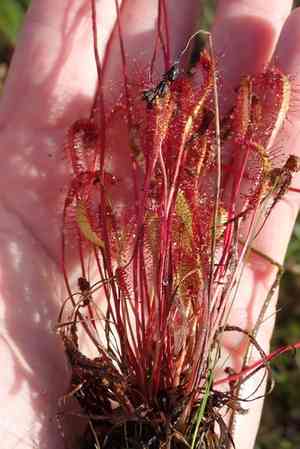
Drosera anglica flourishes when multiplied via separation, a technique most effectively executed by carefully detaching the plant's root clumps during regular container changes. It is crucial to verify that every separated portion possesses adequate root development to sustain fresh development. Following separation, promptly re-embed the segments in suitable substrate that emulates their native marshy environment, guaranteeing elevated humidity and steady dampness to foster successful integration.
Optimal Period for English Sundew Propagation
Propagation Method
Separation
Propagation Period
Spring,Autumn
Tools Required for English Sundew Propagation
Sterile Scissors or Sharp Knife
These are vital for carefully separating the root system of english sundew without causing excessive harm. A sharp tool ensures clean cuts, promoting faster healing and reducing infection risk.
Water Tray
Given english sundew's preference for wet environments, a water tray during propagation helps maintain high humidity and sufficient moisture. This mimics english sundew's natural habitat, fostering health and growth in new plants.
High-Quality Peat Moss
English sundew thrives in acidic, nutrient-poor soil, typical of its natural bog habitats. Peat moss provides these conditions and is essential for the successful establishment of divided plants. It retains moisture effectively, supporting english sundew's need for consistent soil wetness.
Rooting Hormone (optional)
While not mandatory, applying a rooting hormone can stimulate quicker and stronger root development in divided sections of english sundew. This is particularly beneficial for ensuring the viability and resilience of new plants.
Label and Marker
Labels aid in tracking the progress and growth of various propagated english sundew sections. Proper labeling is crucial for experiments or when propagating multiple plants simultaneously to monitor and differentiate their developmental stages.
How to Propagate English Sundew?
Propagation Type
Simple
Caring for Your Newly Propagated English Sundew
Caring for Your Newly Propagated English Sundew
Post-propagation, maintain consistent moisture by watering english sundew exclusively with distilled or rainwater, as tap water's minerals and chemicals can be detrimental. Keep the soil consistently damp but not waterlogged. Provide english sundew with high humidity and temperatures between 50-70°F (10-21°C). Gradually increase indirect sunlight exposure for english sundew, aiming for 4-6 hours of gentle sunlight daily. During winter dormancy, reduce watering but ensure the soil remains moist. No fertilizer is needed, as english sundew obtains nutrients from trapping insects.
Common Errors to Avoid When Propagating English Sundew
Overwatering
Although english sundew generally thrives in moist conditions, excessive water can lead to root rot and fungal infections. This can severely damage root health, impairing the plant's ability to absorb nutrients and thus hindering successful propagation.
Using standard potting soil
English sundew requires a nutrient-poor, acidic substrate similar to its natural bog habitat. Using regular garden soil or a nutrient-rich mix can result in poor growth and potential death of english sundew due to nutrient overload and unsuitable pH levels.
Neglecting humidity requirements
English sundew's natural environment boasts high humidity. During propagation, failing to maintain a humid environment can cause desiccation of the plant and its propagated parts, thereby reducing the chances of successful rooting and growth.
Inadequate lighting
English sundew needs ample light but not direct, harsh sunlight. Insufficient light reduces photosynthesis, leading to weaker plants less capable of successful propagation.
Tips For Propagating English Sundew
Utilize sphagnum moss or peat
Propagating english sundew in sphagnum moss or a peat-based medium mimics its natural growing conditions. These mediums provide the necessary acidity and low nutrient environment conducive to growth.
Maintain high humidity
To replicate english sundew's natural boggy habitat, ensure high humidity by covering the propagation area with a plastic cover or using a humidity tray. This helps prevent cuttings from drying out and supports robust root development.
Provide bright, indirect light
English sundew flourishes in bright, indirect sunlight. Position the propagation setup to receive bright but diffused light to encourage healthy growth without the risk of scorching plant tissue.
Water with purified water
Using rainwater or distilled water is crucial for english sundew, as tap water may contain minerals and chemicals that can accumulate in the substrate and harm the plant. This ensures the medium remains pure and suitable for english sundew's sensitive roots.



