How Much Sunlight Do Dwarf papyrus sedge Need?
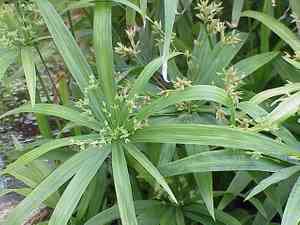
1
Dwarf papyrus sedge flourishes in bright sun, needing more than 6 hours of direct light each day.
2
While it can endure some shade, extended periods without ample sun might result in stunted development and fewer blooms.
3
Employing a light meter assists in guaranteeing your Dwarf papyrus sedge receives adequate solar exposure.
Optimal Light Conditions for Dwarf papyrus sedge
Full Sun Exposure
For best development, Dwarf papyrus sedge thrives in full sun. This means it requires at least 6-8 hours of direct sunlight daily. Ample sun promotes vigorous growth, vivid foliage, and more frequent blooms. When planting outdoors, choose a spot not overshadowed by taller plants or structures.
Partial Shade Tolerance
While Dwarf papyrus sedge performs best in full sun, it can endure partial shade. This plant can adapt to conditions receiving 3 to 6 hours of direct sunlight daily, typically in the morning or late afternoon. However, less light can result in slower growth and fewer flowers, so maximize light exposure if possible.
Indoor vs. Outdoor Light Requirements
The light needs of Dwarf papyrus sedge differ slightly based on indoor or outdoor cultivation. Outdoors, it flourishes with abundant natural light. Indoors, position it near a south or west-facing window for ample sunlight. If natural light is insufficient, consider supplementing with a grow light to simulate the sun's rays.
Assessing Sunlight for Dwarf papyrus sedge
Utilizing a Light Meter
A light meter is a useful device for precisely gauging the amount of sunlight your plant receives. Place the meter at the plant's level and record the light intensity in foot candles or lux. Dwarf papyrus sedge ideally needs light levels between 1,500 to 2,500 foot candles (approximately 16,150 to 26,900 lux). This ensures the plant gets adequate light for healthy development.
Natural Indicators of Sufficient Sunlight
Observing the growth patterns and overall health of your Dwarf papyrus sedge can offer natural clues about whether it's getting enough sunlight. In a well-lit setting, the plant will exhibit vibrant green leaves and strong stems. Stunted growth, yellowing foliage, and fewer blooms can signal insufficient light, necessitating a location adjustment.
Signs Dwarf papyrus sedge Lacks Sunlight
Yellowing Leaves
One primary indicator that your Dwarf papyrus sedge isn't receiving enough sunlight is yellowing leaves. Healthy foliage should be a vivid green, and yellowing suggests the plant is struggling and potentially unable to perform adequate photosynthesis due to light deficiency.
Leggy Growth
Leggy growth is another sign of inadequate sunlight. The stems of the Dwarf papyrus sedge may become elongated and weak as it stretches towards the light source. This leads to a less dense and more sparse appearance, indicating the plant is not thriving due to insufficient sun.
Reduced Flowering
If your Dwarf papyrus sedge is blooming less than usual, it might be due to insufficient sunlight. This plant thrives and produces more flowers when it receives ample light. A decrease in the quantity or quality of blooms is a clear sign it may require a brighter spot.
Protecting Dwarf papyrus sedge from Excessive Sunlight
Providing Shade
During particularly intense sun or hot afternoons, offering temporary shade can help safeguard your Dwarf papyrus sedge. Use shade cloths or move the plant to an area with less intense light during peak hours to prevent leaf burn or stress.
Using Reflective Mulch
Reflective mulch can be applied around the base of the Dwarf papyrus sedge to minimize the impact of excessive sunlight. Reflective materials can help deflect light away from the root zone, lowering soil temperatures and reducing plant stress.
Relocating the Plant
If your Dwarf papyrus sedge is getting too much sunlight, consider moving it. Shift the plant to a slightly shaded area, especially during the hottest parts of the day. This will help mitigate the effects of excessive sun exposure while still providing enough light for healthy growth.



