The Dwarf papyrus sedge Plant Advantage: Maximizing Home and Office Appeal and Wellness
1
Dwarf papyrus sedge excels at enhancing ground stability and preventing erosion.
2
This adaptable plant is recognized for its ability to cleanse the air.
3
Dwarf papyrus sedge offers a decorative element to outdoor and indoor environments.
Ecological Advantages of Dwarf Papyrus Sedge
How Does Dwarf Papyrus Sedge Aid in Soil Stabilization?
Dwarf papyrus sedge is well-known for its strong root system, which is vital for soil stability. Its extensive root network helps bind the soil, reducing erosion risk, especially in areas prone to heavy rain or wind. This makes Dwarf papyrus sedge an excellent choice for landscape architects and environmental planners working on erosion-prone projects.
Why is Air Purification Important?
In today's world, air pollution is a growing concern, and indoor air quality is often overlooked. Dwarf papyrus sedge acts as a natural air purifier, absorbing toxins and releasing clean oxygen. This function is especially beneficial in enclosed environments such as offices and homes, where air circulation may be limited. By integrating Dwarf papyrus sedge into your indoor spaces, you can improve air quality, which in turn promotes better health and well-being.
Aesthetic and Ornamental Uses of Dwarf Papyrus Sedge
How Can Dwarf Papyrus Sedge Enhance Garden Landscapes?
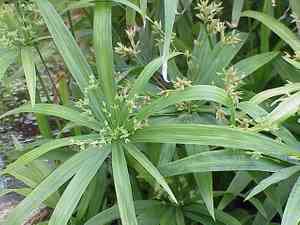
Dwarf papyrus sedge is a versatile plant that can be used to create visually appealing garden landscapes. Its tall, slender stems and bright green foliage provide a striking contrast against other plants and garden elements. Whether used as a focal point in garden beds or as a border plant, Dwarf papyrus sedge adds a touch of elegance and natural beauty to any outdoor space.
What are the Best Ways to Incorporate Dwarf Papyrus Sedge Indoors?
Dwarf papyrus sedge is not just limited to outdoor use. It can be a stunning addition to indoor decor as well. Placing Dwarf papyrus sedge in stylish pots or decorative containers can elevate the aesthetics of living rooms, offices, or any indoor setting. Its minimalist appeal aligns well with modern interior design trends, making it a popular choice among interior decorators.
Practical Applications of Dwarf Papyrus Sedge
Can Dwarf Papyrus Sedge Be Used in Phytoremediation?
Phytoremediation is the process of using plants to clean contaminated soil and water. Dwarf papyrus sedge has shown promise in this area due to its ability to absorb heavy metals and other pollutants. Researchers and environmental scientists are increasingly exploring the potential of Dwarf papyrus sedge in restoring polluted environments, making it an asset in ecological conservation efforts.
How Does Dwarf Papyrus Sedge Support Wildlife?
In natural habitats, Dwarf papyrus sedge provides shelter and food for a variety of wildlife species. Its dense foliage and seeds offer protection and nourishment to birds, insects, and small mammals. For those interested in promoting biodiversity, planting Dwarf papyrus sedge in gardens and natural landscapes can create a thriving ecosystem that supports local wildlife.
Cultivation Guidelines for Dwarf Papyrus Sedge
What Are the Ideal Growing Conditions for Dwarf Papyrus Sedge?
Dwarf papyrus sedge thrives in wet and marshy conditions, making it a perfect plant for water gardens and ponds. It prefers full sun to partial shade and can grow in a variety of soil types, provided they are kept consistently moist. Ensuring these conditions will promote healthy growth and vibrant foliage.
How to Maintain Dwarf Papyrus Sedge for Optimal Growth?
Maintaining Dwarf papyrus sedge is relatively simple. Regular watering is essential to keep the soil moist. It's also recommended to trim the plant periodically to prevent overcrowding and to remove any dead or yellowing leaves. These simple care tips will ensure that Dwarf papyrus sedge remains healthy and lush throughout its growing season.



