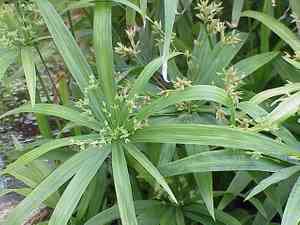
Dwarf papyrus sedge (Cyperus haspan)
Also known as: Sharp edge sedge
The dwarf papyrus sedge, while sometimes considered an invasive species, is also valued for its ornamental use in ponds and water gardens. Environmentally, it contributes to enhancing water and soil quality by filtering pollutants and stabilizing substrates. Historically, this plant was integral to ancient Egyptian culture, being extensively cultivated for the production of papyrus paper and various woven items, which played a crucial role in record-keeping and daily life.
In This Article
Attributes of Dwarf papyrus sedge
Lifespan
Perennial
Plant Type
Grass
Plant Height
80 cm
Spread
60 cm
Leaf Color
Green Blue
Flower Size
2 - 3 cm
Flower Color
Brown Green
Images of Dwarf papyrus sedge
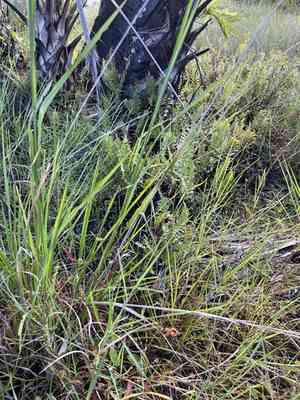
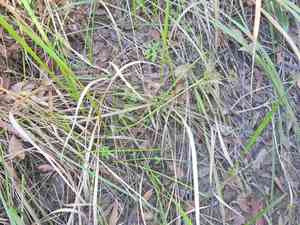
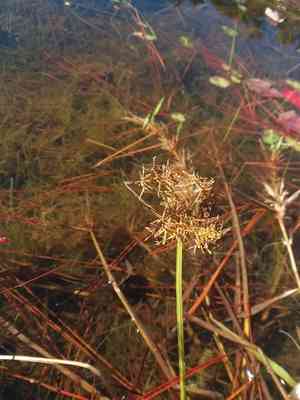
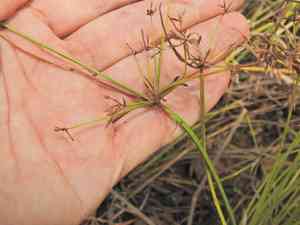
Quickly Identify Dwarf papyrus sedge
1
Look for slender, upright stems that are triangular in cross-section. The plant produces small, inconspicuous greenish flowers arranged in umbel-like clusters atop the stems.
Scientific Classification of Dwarf papyrus sedge
Phylum
Vascular plants
Class
Monocotyledons
Order
Poales
Family
Sedge
Genus
Nutgrasses
Species
Dwarf papyrus sedge
Planting and Growing of Dwarf papyrus sedge
Care Difficulty
Easy
Watering Schedule
Every 16 days
Sunlight Requirements
Full sun
Sunshine Duration
6-10 hours
Ideal Temperature
70-85℉
Soil Type
Potting Mix, Peat Mix
Soil pH
6.5-7.5
Fertilizer Type
Balanced
Pruning Season
Spring, Summer
Pruning Area
Branches, Leaves
Pruning Frequency
2 times a year
Repotting Season
Spring
Pot Type
Plastic, Ceramic
 How to Water Dwarf papyrus sedge?
For Cyperus haspan, ensure the soil is consistently moist but not soggy. Water until you see moisture draining from the bottom of the pot, indicating that roots are adequately saturated. Generally, around 500 ml of water is sufficient for each watering.
What are the symptoms of an underwatered Dwarf papyrus sedge?
›
What should I do if my Dwarf papyrus sedge is not getting enough water?
›
What are the symptoms of an overwatered Dwarf papyrus sedge?
›
How to save an overwatered Dwarf papyrus sedge?
›
 What Are the Sunlight Requirements for Dwarf papyrus sedge?
Cyperus haspan benefits from full to partial sun exposure. Ideal light helps maintain the plant's lush appearance and supports healthy growth. Consistent sunlight exposure encourages denser foliage and robust root development.
More About Sunlight Requirements Techniques→
What is the best light for Cyperus haspan?
›
How can I provide ideal light conditions for Cyperus haspan?
›
What benefits does Cyperus haspan receive from ideal lighting?
›
 What Is the Ideal Temperature Range for Dwarf papyrus sedge?
What is the ideal temperature range for Cyperus haspan? The ideal temperature for growing Cyperus haspan ranges from 70°F to 85°F. This range allows the plant to thrive, ensuring optimal photosynthesis and growth. Maintaining this thermal environment helps prevent stress and vulnerability to pests and diseases.
 What Soil is Best for Dwarf papyrus sedge?
Cyperus haspan thrives in well-drained soils to prevent root rot. Proper drainage is crucial, as it ensures that water doesn't stagnate around the roots, thus protecting the plant from diseases and promoting healthy root development. While Cyperus haspan can adapt to different fertility levels, it benefits from moderately fertile soils. This moderate fertility supports vigorous growth and helps maintain vibrant foliage, boosting the plant's overall appeal. Maintaining consistent soil moisture is vital for Cyperus haspan. This plant develops ideally when the soil is kept moist, simulating its native wetlands environment, ensuring optimal growth and lushness.
 How to Fertilize Dwarf papyrus sedge?
Cyperus haspan thrives best with modest fertilization. Use approximately half the recommended dose on fertilizer labels for small indoor plants. This gentle approach prevents nutrient overload while supporting healthy growth.
 How to Prune Dwarf papyrus sedge?
Familiarize yourself with the plant's structure; Cyperus haspan has a grass-like appearance with stems often topped with sheaves. Identifying old, damaged, or discolored stems is crucial for effective pruning. Start by removing any dead or yellowing leaves near the base. Hold the stem firmly, then cut it cleanly at a 45-degree angle about halfway down or at ground level if it's severely damaged. This reduces stress on the plant and promotes quicker healing. Focus on cutting back the top growth slightly to encourage the fuller, denser regrowth. Remove any stems that interfere with each other, and aim for an aesthetically pleasing, balanced shape.
More About Pruning Techniques→
 How to Propagate Dwarf papyrus sedge plant?
1
Begin by soaking the seeds in water overnight to enhance germination rates. This step helps to break down any seed coat, allowing water and air to reach the embryo inside, which is vital for sprouting.
2
Prepare a nutritious and well-draining soil mixture. Use a combination of peat and sand to create a balanced growing medium that retains moisture while allowing excess water to drain.
3
Carefully dig out the plant and separate the root clusters using pruners. Make sure each division has an adequate amount of roots for successful replanting, to ensure healthy and sustained growth.
 How to Repot Dwarf papyrus sedge plant?
1
Repot Cyperus haspan when its roots become visibly cramped or start to poke through the drainage holes. Another indicator is slowed growth despite optimal care. The plant may also show wilting despite adequate watering, indicating that its roots need more space to expand.
2
Select a pot slightly larger than the current one, with one or two inches of additional diameter. Ensure it has adequate drainage holes to prevent waterlogging, which can cause root rot. A material like clay can further regulate moisture by allowing excess water to evaporate through its walls.
3
Opt for a well-draining potting mix rich in organic matter. A light and airy texture helps water move through the medium without pooling. This allows the roots to breathe while retaining enough moisture to sustain the Cyperus haspan's needs.



