How to Propagate Dwarf papyrus sedge?
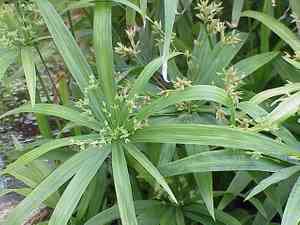
A species within the sedge family, dwarf papyrus sedge flourishes in damp, marshy environments, mirroring its native swamp and wetland settings. For reproduction, clump separation is the main technique employed, optimally carried out in the springtime. To propagate dwarf papyrus sedge, gently divide the clusters, making sure every new segment possesses roots. Immediately replant the separated portions in consistently moist earth, and place them in filtered sunlight to replicate their favored surroundings. Consistent irrigation and monitoring of soil dampness are vital for the successful rooting of the young plants.
Optimal Time for Dwarf Papyrus Sedge Propagation
Propagation Method
Division
Propagation Period
Spring,Autumn
Tools for Dwarf Papyrus Sedge Propagation
Sharp Knife or Garden Scissors
Used for precise cuts through the root ball of dwarf papyrus sedge during division. Sharp blades ensure clean separation, minimizing harm to the plant's root system, which is vital for rapid recovery and successful establishment of new plants.
Watering Can with a Fine Rose
Crucial for gently irrigating dwarf papyrus sedge after propagation. The fine rose attachment aids in even water distribution without disturbing the soil or new plantings, ensuring roots stay moist and are encouraged to grow into their new surroundings.
Garden Fork
Employed for carefully lifting dwarf papyrus sedge from the ground or container with minimal root disruption. A garden fork is ideal for loosening soil around the plant, making removal for division easier and safer.
Planting Pots and Fresh Potting Mix
Required for potting individual dwarf papyrus sedge divisions. New containers filled with fresh, sterile potting mix help prevent disease and provide an optimal soil environment for root growth and plant recovery post-division.
Rooting Hormone (optional)
Assists in boosting root development in dwarf papyrus sedge divisions. This hormone promotes quicker root growth, which is beneficial for establishing divisions rapidly and effectively, leading to a higher propagation success rate.
How to Propagate Dwarf Papyrus Sedge?
Propagation Type
Easy
Caring for Newly Propagated Dwarf Papyrus Sedge
Caring for Newly Propagated Dwarf Papyrus Sedge
To care for dwarf papyrus sedge after propagation, maintain a consistently moist environment, as it naturally thrives in wet conditions. Position containers in an area receiving partial to full sunlight. Consistent watering is essential; however, ensure adequate drainage to prevent standing water, which can cause root rot. Once established and showing new growth, begin a light feeding regimen with a balanced liquid fertilizer to encourage robust development. Monitor for pests and diseases, particularly in humid settings.
Common Mistakes to Avoid When Propagating Dwarf Papyrus Sedge
Overwatering
While dwarf papyrus sedge flourishes in damp conditions, excessive water can lead to root rot. Overwatering can deprive roots of oxygen, hindering nutrient absorption and causing the plant to weaken or perish.
Using Poor Quality Water
Sensitive to water quality, using hard or chemically treated water can negatively impact dwarf papyrus sedge's growth. Salts and chemicals in inferior water can accumulate in the soil, harming the root system.
Inadequate Light
Dwarf papyrus sedge requires ample light. Insufficient light can result in leggy growth and weak development, making the plant less robust.
Ignoring Humidity Needs
Dwarf papyrus sedge thrives in high humidity. Low humidity levels can cause the plant to dry out, leading to stress and poor growth.
Excessive Handling or Disturbance
Frequent handling or disturbing the roots during propagation can stress dwarf papyrus sedge, leading to shock or stunted growth.
Tips For Propagating Dwarf Papyrus Sedge
Use Clean, Sharp Tools
Ensuring tools are clean and sharp before cutting dwarf papyrus sedge's stems helps prevent infection and ensures a clean cut that heals more efficiently, promoting better growth.
Opt for Soft Water or Rainwater
Using soft water or natural rainwater helps prevent the buildup of salts in the soil which can negatively impact dwarf papyrus sedge's growth. This provides a safer medium for healthier root and plant development.
Maintain High Humidity
To emulate dwarf papyrus sedge's natural wetland habitat, maintain high ambient humidity. This can be achieved using humidity trays or a humidifier, which helps prevent drying out and promotes vigorous growth.
Choose the Right Soil Mix
Using a well-draining but moisture-retentive soil mix helps mimic dwarf papyrus sedge's natural environment. Sandy or loamy soil enriched with organic matter can provide the ideal texture and nutrients.
Gentle Handling
Handle dwarf papyrus sedge gently during propagation. Minimizing root disturbance helps the plant to establish more quickly and reduces the risk of stress-induced problems.



