Enhancing Your Garden Design with the Dwarf papyrus sedge Plant: A Landscaping Guide
1
Dwarf papyrus sedge flourishes in moist conditions, making it perfect for aquatic displays.
2
It introduces a distinct texture and upright dimension to landscape layouts.
3
Dwarf papyrus sedge can be combined with diverse flora to achieve impressive visual differences.
Introducing Dwarf Papyrus Sedge for Landscaping
Why select Dwarf papyrus sedge for your garden?
Opting for Dwarf papyrus sedge in your garden is a superb choice for numerous reasons. Firstly, its capacity to flourish in damp conditions makes it ideal for poorly drained areas or near aquatic features. Furthermore, its compact size ensures it won't dominate other plants, offering versatility for both small and large gardens. Lastly, Dwarf papyrus sedge demands minimal upkeep, requiring less attention than many other garden plants, making it perfect for those who prefer less garden maintenance.
The distinct aesthetic charm of Dwarf papyrus sedge
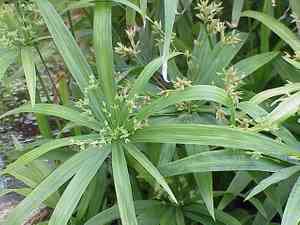
Dwarf papyrus sedge distinguishes itself in any garden due to its unique form and texture. The way its slender stalks ascend vertically offers a striking contrast to the typically broad and flat foliage of many garden plants. This verticality can impart a sense of elevation and framework, adding architectural interest to your landscape design. Moreover, the plant's green hue and delicate blooms contribute a touch of grace and natural beauty, making it a delightful garden addition.
Optimal Placement of Dwarf Papyrus Sedge in Your Landscape
Perfect spots for Dwarf papyrus sedge in garden environments
When considering where to position Dwarf papyrus sedge in your garden, aim for locations that mimic its native habitat. Moist and marshy areas, such as the perimeters of ponds, streams, or water gardens, are excellent for Dwarf papyrus sedge. It also performs well in rain gardens where it can aid in water absorption and management. Additionally, it can be grown in pots if consistent soil moisture is maintained, offering flexibility in its placement throughout your garden.
How Dwarf papyrus sedge enhances water features
Dwarf papyrus sedge is an outstanding plant to complement water features due to its inherent preference for wet surroundings. Its slender, reed-like appearance can provide a soft and delicate counterpoint to the solid and reflective surfaces of water, creating a balanced visual. Whether it's a pond, fountain, or birdbath, Dwarf papyrus sedge can encircle and soften the edges, allowing the water feature to integrate seamlessly into the garden. Moreover, the plant's ability to thrive in wet conditions ensures it will remain healthy and vibrant, boosting the overall appeal of your water feature.
Pairing Dwarf Papyrus Sedge with Other Flora
Effective plant combinations for Dwarf papyrus sedge in garden layouts
Combining Dwarf papyrus sedge with other plants can yield stunning visual effects and improve the overall harmony of your garden. For instance, pairing Dwarf papyrus sedge with plants featuring broader leaves, such as hostas or ferns, can create an appealing textural contrast. Additionally, flowering plants like iris or lilies can introduce bursts of color that complement the green stems of Dwarf papyrus sedge, providing a vibrant and diverse garden palette. These combinations not only enhance your garden's visual allure but also foster biodiversity and ecological balance.
Achieving color and texture contrast with Dwarf papyrus sedge
Creating color and texture contrast with Dwarf papyrus sedge can significantly elevate your garden's aesthetic appeal. By combining it with plants that possess varied leaf shapes, sizes, and colors, you can form a dynamic and engaging garden space. For example, soft, flowing grasses can beautifully contrast with the upright structure of Dwarf papyrus sedge, while colorful perennials can break up the green monochrome with their vibrant blooms. Integrating such diverse plantings ensures your garden remains visually interesting throughout the seasons, with each plant complementing and enhancing the presence of Dwarf papyrus sedge.
Seasonal Considerations for Dwarf Papyrus Sedge
Optimal planting times for Dwarf papyrus sedge
The best period to plant Dwarf papyrus sedge is during spring or early summer when temperatures are mild and the soil is moist. Spring planting allows roots ample time to establish before warmer months arrive, ensuring healthier growth. However, Dwarf papyrus sedge can also be planted in early fall, provided it has sufficient time to establish before cold weather sets in. Planting during these ideal seasons will set your Dwarf papyrus sedge up for success and vigorous growth.
Year-round care guidelines for Dwarf papyrus sedge in your landscape
Caring for Dwarf papyrus sedge throughout the year is relatively simple due to its resilient nature. During the active growth period, ensure the soil remains damp, especially during dry spells. You can apply mulch around the base to retain moisture and suppress weeds. In winter, although Dwarf papyrus sedge is quite robust, a layer of mulch can protect its roots from extreme cold. Regular trimming of dead stems will keep the plant tidy and encourage new growth in spring. Minimal fertilization is needed, making Dwarf papyrus sedge a low-maintenance yet highly rewarding choice for your landscape.
Visually Enhancing Your Garden with Dwarf Papyrus Sedge
Maximizing the visual impact of Dwarf papyrus sedge
To maximize the visual impact of Dwarf papyrus sedge, consider planting it in clusters to create dense green groupings that attract the eye. These clusters can serve as focal points in your garden, particularly around water features or as borders. Another technique is to plant Dwarf papyrus sedge at varying heights to create a layered effect, adding depth and dimension to your landscape. Strategic placement of Dwarf papyrus sedge will highlight its unique form and enhance your garden's overall visual appeal.
Innovative design concepts using Dwarf papyrus sedge
Creative design concepts with Dwarf papyrus sedge can transform your garden into a captivating space. Utilize Dwarf papyrus sedge to form natural-looking water margins, giving your pond or stream a seamless integration with the surrounding landscape. You can also incorporate Dwarf papyrus sedge into container gardens for a portable and adaptable display, or use it to line pathways, providing a soft, natural edge. Another idea is to blend Dwarf papyrus sedge with contemporary garden designs, merging its natural look with more structured elements like stone or metal, combining the best of both worlds for a unique garden aesthetic.



