How to Prune Dwarf papyrus sedge?
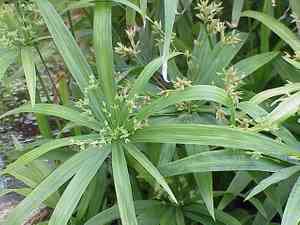
Dwarf papyrus sedge, a perennial that thrives in moist conditions and forms clumps, exhibits elegant, arching green stalks and delicate floral groupings. To prune effectively, cut back aged or discolored stems near the soil line to stimulate new development. The most suitable period for pruning is during its inactive phase, preferably in early spring or winter. This practice helps dwarf papyrus sedge retain its dense form and fosters a more robust, flourishing specimen by averting excessive density and deterring pest issues.
Advantages of Trimming Dwarf Papyrus Sedge
Advantages of Trimming Dwarf Papyrus Sedge
Trimming dwarf papyrus sedge eliminates old or overgrown stems, promoting the growth of new, robust shoots. Regular cutting helps preserve the plant's compact form, ensuring it remains an appealing and manageable element in water gardens or containers.
Optimal Period for Trimming Dwarf Papyrus Sedge
Optimal Period for Trimming Dwarf Papyrus Sedge
Trimming dwarf papyrus sedge is most effective during early spring or winter. Early spring pruning coincides with dwarf papyrus sedge's active growth phase, preparing the plant for vigorous development by removing any dead or damaged foliage accumulated over winter. This timing allows dwarf papyrus sedge to direct its energy towards producing new, healthy growth as temperatures rise. Winter pruning is also beneficial when dwarf papyrus sedge is dormant, particularly in areas with mild winters. This dormant period trimming minimizes stress on dwarf papyrus sedge and reduces the risk of disease transmission through fresh cuts. Pruning during these seasons helps maintain plant health and aesthetic shape, avoiding the stress that might be caused by mid-season cuts that can interrupt active growth or flowering cycles.
Necessary Tools for Trimming Dwarf Papyrus Sedge
Hand Pruners
Perfect for precise trimming of dwarf papyrus sedge's slender stems and removing spent growth.
Gardening Shears
Useful for cutting through denser clumps of dwarf papyrus sedge and shaping them.
Sharp Scissors
Can be used for snipping delicate areas or smaller parts of dwarf papyrus sedge without causing harm to the plant.
How to Trim Dwarf Papyrus Sedge
Tool Preparation
Sanitize pruning shears using a solution of one part bleach to nine parts water to prevent the spread of any diseases.
Identification
Examine dwarf papyrus sedge for any diseased or withered leaves. Diseased leaves may show spots, discoloration, or decay.
Diseased Trimming
Using the sanitized shears, carefully cut off diseased leaves at their base where they connect to the stalk, taking care not to harm healthy parts.
Withered Trimming
Similarly, trim away withered or dead leaves, which are typically brown and dry, to maintain a neat appearance and encourage healthy growth.
Disposal
Dispose of all removed material away from the garden to reduce the risk of disease spread, and thoroughly wash tools after use.
Common Trimming Errors with Dwarf Papyrus Sedge
Excessive Trimming
Removing too much foliage from dwarf papyrus sedge at once can shock the plant, potentially leading to stunted growth or even death.
Incorrect Cuts
Making cuts that are either too jagged or at improper angles can create entry points for disease and may impede the plant's natural growth pattern.
Trimming Healthy Growth
Unnecessarily cutting away healthy green stems of dwarf papyrus sedge can reduce the plant's vigor and aesthetic appeal.
Neglecting Dead Material
Failing to remove dead or yellowing stems can drain energy from dwarf papyrus sedge and may encourage disease proliferation.
General Trimming Advice for Dwarf Papyrus Sedge
Sharp Tools
Always use clean and sharp scissors or pruning shears to make clean cuts that will heal quickly.
Selective Thinning
Focus on thinning out only the older, browned stems of dwarf papyrus sedge to maintain plant shape and encourage new growth.
Height Maintenance
Cut back the taller stems of dwarf papyrus sedge to varying heights to create a more natural, less manicured appearance.
Rejuvenation
If dwarf papyrus sedge appears overgrown or has lost its attractive shape, use pruning as an opportunity to rejuvenate the plant by selectively cutting back to promote fresh, healthy growth.



