How Much Sunlight Do Red button ginger Need?
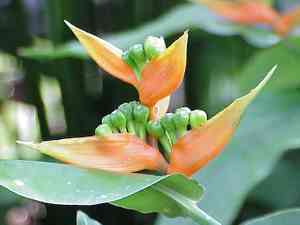
1
Red button ginger flourishes with 3-6 hours of sun exposure each day.
2
Indirect, filtered light is optimal to avoid leaf damage.
3
Observe your plant frequently for indications of sun damage or insufficient light.
Ideal Illumination for Red button ginger
Preferred Light Intensity
Red button ginger thrives in settings with partial sun, ideally receiving light for around 3-6 hours daily. This light level enables efficient photosynthesis without the detrimental effects of excessive direct sun. If you can offer filtered light, like through a sheer curtain or dappled shade beneath a tree, your Red button ginger will respond with vigorous, healthy growth.
Optimal Daily Sun Exposure Period
The best time for your Red button ginger to get sunlight is during the early morning or late afternoon. This timing ensures the plant receives gentle, sufficient light, avoiding the harsh midday heat that can scorch leaves. Positioning your plant to catch the soft morning sun will support its development while shielding it from the stronger midday and afternoon rays.
Impact of Full Sun vs. Partial Shade
Red button ginger can endure full sun for short durations; however, prolonged direct sunlight exposure can cause sunburn and dehydration. Conversely, constant deep shade can hinder its growth and flowering potential. Thus, partial shade is optimal, providing a balance by protecting the plant from extreme temperatures while still supplying enough light for its development.
Indicators Your Red button ginger Needs More Light
Identifying Light Deficiency
If your Red button ginger isn't getting enough sunlight, several symptoms may appear. The plant might become leggy, with elongated stems as it stretches toward light. A lack of blooms or small, undeveloped flowers can also signal insufficient light. Pale green leaf discoloration could point to under-exposure. Regular plant inspection helps catch these signs early.
Corrective Actions for Low Light Conditions
Should you observe signs of low light in your Red button ginger, consider relocating it to a brighter spot. Ensure the new location offers more indirect or filtered sunlight. If moving the plant outdoors isn't possible, supplement its light needs with artificial grow lights, positioned at an appropriate distance to prevent overheating. Gradual light adjustment aids plant acclimation without shock.
Safeguarding Red button ginger from Excessive Sunlight
Symptoms of Sunburn in Red button ginger
Too much sunlight can lead to sunburn in Red button ginger. Symptoms include brown or crispy leaf edges, white or tan discoloration on leaves, and a generally scorched look. Sunburned leaves may not recover and should be trimmed to reduce plant stress as new growth emerges.
Providing Shade and Cooling
To protect your Red button ginger from excessive sunlight, provide shade during peak sun hours, typically 10 am to 4 pm. This can be done by placing it under a canopy or larger plant, using shade cloth, or moving potted plants to less exposed areas. Additionally, ensuring adequate water supply helps the plant manage heat better, keeping soil consistently moist but not waterlogged.
Seasonal Changes in Sunlight Requirements
Adapting to Winter and Summer Sunlight
The amount of sunlight Red button ginger needs can vary seasonally. In summer, with more intense sun, the plant may require more shade to prevent sunburn. During winter, sunlight is less intense and shorter, so maximizing available light is beneficial. Understanding these seasonal shifts and adjusting the plant's position or exposure helps maintain its health year-round.
Indoor vs. Outdoor Sunlight Requirements
When growing Red button ginger indoors, position it where it receives bright, indirect light, such as near an east or west-facing window. Outdoor plants need careful placement to balance sun and shade throughout the day. If indoor light is insufficient, as in winter or less sunny climates, consider using fluorescent or LED grow lights to boost natural light.



