The Red button ginger Plant Advantage: Maximizing Home and Office Appeal and Wellness
1
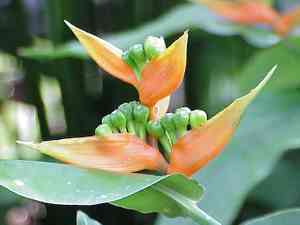
This flora is recognized for its vivid crimson flowers.
2
It's frequently utilized in folk remedies to aid gastrointestinal well-being.
3
The botanical specimen possesses both decorative and therapeutic worth.
What Are the Visual Advantages of Red button ginger?
Decorative Appeal
A key feature of Red button ginger is its striking red blossoms. These vivid flowers make it an excellent option for decorative gardening. The plant's rich green foliage beautifully contrasts with the red blooms, bringing a splash of color to any garden or landscape. Furthermore, its tall, upright growth habit makes it an ideal focal point in garden designs.
Simple to Cultivate
Red button ginger is a low-maintenance plant that flourishes in tropical and subtropical environments. It prefers damp, well-drained soil and can endure partial shade, making it suitable for various garden settings. Its hardiness and ease of growth make it a favorite among both new and seasoned gardeners.
How Is Red button ginger Utilized in Traditional Remedies?
Digestive System Support
In numerous cultures, Red button ginger is valued for its digestive health advantages. The plant's rhizomes have been used to create herbal remedies that help alleviate indigestion symptoms and promote a healthy digestive system. These traditional applications are supported by the plant's natural properties, known to calm the stomach and enhance nutrient absorption.
Anti-inflammatory Qualities
Another notable advantage of Red button ginger is its anti-inflammatory characteristics. Extracts from the plant have been employed in traditional medicine to reduce inflammation and ease pain. These natural compounds help soothe the body, making it a valuable addition to holistic health practices.
What Are the Ecological Benefits of Red button ginger?
Environmentally Friendly Landscaping
Red button ginger contributes to eco-friendly landscaping methods. Its natural growth pattern helps prevent soil erosion, especially in tropical and subtropical regions where heavy rainfall can wash away topsoil. By planting Red button ginger, you can contribute to soil preservation and promote sustainable gardening practices.
Wildlife Habitat Provision
The vibrant flowers of Red button ginger attract various pollinators, including bees, butterflies, and hummingbirds. By adding this plant to your garden, you're not only enhancing its visual appeal but also supporting local wildlife. Pollinators play a vital role in maintaining the ecosystem, and Red button ginger provides them with a reliable source of nectar.
Can Red button ginger Be Incorporated into Cooking?
Flavorful Culinary Additions
In some cultures, parts of Red button ginger, particularly its young shoots, are used in culinary applications. The shoots are often included in salads, soups, and stir-fries, adding a distinct flavor and nutritional value. This culinary versatility adds another dimension to the plant's numerous uses.
Nutritional Contributions
While not as frequently discussed, Red button ginger offers nutritional advantages when used in cooking. The plant contains essential vitamins and minerals that contribute to overall health and well-being. Including Red button ginger in your diet can provide supplementary nutrients that support a balanced diet.
How to Maintain Red button ginger at Home?
Watering and Soil Needs
Red button ginger thrives in damp, well-drained soil and requires consistent watering to maintain its lush appearance. However, it's crucial to ensure that the soil is not waterlogged, as excessive moisture can lead to root rot. A balanced watering schedule that keeps the soil consistently moist is ideal.
Trimming and Upkeep
To keep Red button ginger looking its best, occasional trimming is advised. Remove any dead or yellowing leaves to encourage new growth and maintain the plant's overall health. Additionally, fertilizing the plant once a month during the growing season can provide the nutrients it needs to flourish.



