How to Propagate Red button ginger?
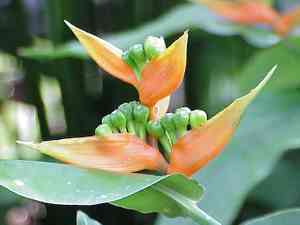
Red button ginger is a lively tropical perennial recognized for its appealing leaves and prominent crimson blossoms. For effective propagation, splitting is the favored technique. Start by carefully detaching the rhizomes from a robust, established plant, being cautious to avoid harming the root system. Every separated section ought to possess a minimum of one growth point. Place these divisions into a potting mixture that drains efficiently, making sure they remain damp yet not oversaturated. Supply red button ginger with ample, filtered illumination and sustain a moist atmosphere to foster vigorous development.
Optimal Time for Red Button Ginger Propagation
Propagation Type
Division
Propagation Season
Spring,Autumn
Tools for Red Button Ginger Propagation
Sharp Knife or Pruning Shears
These are crucial for making clean cuts when separating red button ginger rhizomes. A sterile, sharp blade ensures precise incisions, preventing tissue damage, which is vital for disease prevention and encouraging rapid healing and root development.
Gardening Gloves
Gloves safeguard hands during the division process, especially since red button ginger can have delicate stems and leaves. They also aid in safe plant handling, minimizing the risk of bruising or harming plant parts during separation.
Spade or Garden Fork
Used to carefully extract red button ginger from the ground without harming its root system. A spade or fork is particularly useful for loosening soil around the plant, allowing for easier, cleaner removal and reducing root damage.
Watering Can or Hose with a Gentle Spray Setting
After replanting divisions, gentle watering is necessary to help settle the soil around the roots and provide sufficient moisture, which is crucial for red button ginger's recovery and new root development.
Rooting Hormone (Optional)
While not mandatory, applying rooting hormone to the cut surfaces of rhizomes can boost root development and improve the overall success rate of red button ginger propagation. This is especially beneficial for less vigorous divisions.
How to Propagate Red Button Ginger?
Propagation Type
Easy
Caring for Newly Propagated Red Button Ginger
Caring for Newly Propagated Red Button Ginger
After dividing red button ginger, ensure plants are in a warm, humid environment with partial shade. Water regularly to keep soil moist but not waterlogged. Fertilize every four weeks with a balanced, water-soluble fertilizer to promote growth. Monitor for pests like aphids and treat promptly. As plants mature, transfer them to larger pots or direct soil if climate allows.
Common Mistakes to Avoid When Propagating Red Button Ginger
Overwatering
Excessive watering can lead to root rot, as red button ginger roots need well-drained soil. Too much moisture reduces oxygen, suffocating roots and fostering fungal growth.
Using Poorly Drained Soil
Soil that retains too much water can cause root rot in red button ginger. This species thrives in well-draining soil, which prevents water accumulation around the roots.
Neglecting Humidity
Red button ginger prefers a humid environment. Insufficient humidity can impede leaf development and root growth, affecting overall health and propagation success.
Direct Sunlight Exposure
Red button ginger can be harmed by full direct sunlight, which can scorch its leaves. The plant typically flourishes in dappled sunlight or partial shade.
Overfertilization
Excessive fertilizer use can burn red button ginger roots and negatively impact its growth. Maintaining a balanced fertilization regimen is crucial.
Tips For Propagating Red Button Ginger
Division Method
Propagate red button ginger using the division method for a higher success rate. This involves separating rhizomes during repotting, which stimulates new growth.
Adequate Watering
Ensure red button ginger is thoroughly watered, allowing the soil to dry slightly between waterings. This balances moisture levels and supports root health.
Humidity Control
Maintain sufficient humidity around red button ginger by placing it in a humid environment or using a humidity tray, mimicking its natural tropical habitat.
Filtered Light
Provide red button ginger with filtered light or place it in partial shade to simulate its natural habitat's lighting, protecting it from harsh direct sun.
Balanced Fertilization
Fertilize red button ginger with a balanced, diluted fertilizer during the growing season to supply essential nutrients without overfeeding, supporting robust growth.



