How to Prune Red button ginger?
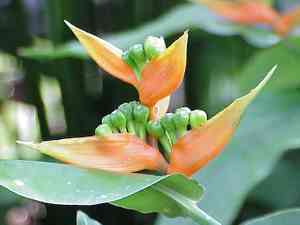
A tropical herbaceous perennial recognized for its spirally arranged foliage and vibrant red flower clusters, red button ginger flourishes with consistent upkeep. Trim deceased or yellowed leaves at the plant's base to stimulate vigorous development. Eliminate faded flower stalks to encourage further blossoming. As red button ginger tolerates pruning throughout the year, prioritize excising aged, densely packed stems to revitalize the plant. Pruning not only preserves its form but also deters illness by improving air circulation. Well-timed cuts result in a more resilient and visually appealing plant.
What Are the Benefits of Pruning Red Button Ginger?
What Are the Benefits of Pruning Red Button Ginger?
Trimming red button ginger promotes more abundant blooms, revitalizes its growth, and helps maintain its desired form. Regular cutting can lead to a fuller and more visually appealing look.
What Is the Best Time for Pruning Red Button Ginger?
What Is the Best Time for Pruning Red Button Ginger?
Trimming red button ginger in late winter to early spring, just before its active growth period begins, can be beneficial. This timing allows red button ginger to recover from cuts before rapid growth, fostering healthier foliage and vigorous flowering. Pruning at this point helps prevent excessive sap loss that might attract pests, and lessens stress on red button ginger during its most crucial growth phase, resulting in less impact on blooming. Removing dead or damaged leaves before the growth surge also enables red button ginger to direct its energy into producing new, healthy growth, ensuring a more vibrant and attractive plant throughout the growing season.
What Tools Do I Need to Prune Red Button Ginger?
Bypass Pruners
These are perfect for making clean, precise cuts on red button ginger without crushing stems. Ideal for removing dead or diseased foliage.
Long-Handled Loppers
Offer leverage and reach for cutting thicker stems that might be out of hand's reach, ensuring clean cuts on mature red button ginger plants.
Gloves
Protect hands from potential irritation caused by the sap of red button ginger during pruning.
Garden Shears
Useful for shaping and trimming red button ginger to maintain a desired aesthetic, allowing quick snips to soft, green growth.
Clean Cloth
Wipe blades between cuts to prevent disease spread among red button ginger plants.
Sharpener
Keep cutting tools sharp to ensure precise cuts and minimize damage to the red button ginger during pruning.
How to Prune Red Button Ginger
Disinfect Tools
Before beginning, sanitize all pruning tools. Use a solution of 1 part bleach to 9 parts water to clean shears and clippers. This prevents the spread of plant diseases during pruning.
Remove Diseased Parts
Identify and remove all diseased leaves and branches from red button ginger. Make cuts at a 45-degree angle approximately 1/4 inch above a healthy leaf node or stem to encourage proper healing. Dispose of the diseased material to avoid reinfection.
Trim Dead Material
Trim off dead or withered leaves and branches, as well as spent flowers. Dead material can be identified by its dry, brittle texture and brownish color. Cutting these parts away will improve air circulation and redirect red button ginger's energy to healthier growth.
Shape Plant
Shape red button ginger by selectively pruning any overgrown or leggy branches. Balance the plant's overall form while maintaining its natural shape. Do not remove more than one-third of the plant's total foliage at one time.
Clean Up
After pruning, clear away all removed plant material from the base of red button ginger to discourage pests and diseases. Water the plant adequately after pruning to encourage recovery and new growth.
Common Pruning Mistakes with Red Button Ginger
Over-Pruning
Removing too much growth too quickly can stress red button ginger, leading to reduced flowering and a weakened plant overall.
Pruning Healthy Growth
Cutting away healthy stems and foliage on red button ginger out of routine rather than necessity can hinder its natural shape and growth pattern.
Ignoring Dead Material
Failing to remove dead or diseased material on red button ginger can inhibit new growth and increase the potential for disease spread.
Improper Tool Use
Using dull or unclean pruning tools can cause jagged cuts that damage red button ginger and introduce pathogens.
Pruning Without A Plan
Pruning red button ginger without assessing the plant structure or considering the desired outcome can lead to unsatisfactory growth or appearance.
Common Pruning Tips for Red Button Ginger
Sanitized Tools
Ensure all pruning tools are clean and sharp to prevent infection and ensure clean cuts for red button ginger.
Strategic Cutting
When pruning red button ginger, cut above leaf nodes to encourage new growth and carefully shape the plant.
Pruning For Air Flow
Thinning out dense areas of red button ginger can improve air circulation, reducing the likelihood of disease and promoting healthy growth.
Removal Of Old Flowers
Deadheading, or removing spent blooms from red button ginger, can stimulate the development of new flowers.
Post-Flowering Trim
After red button ginger has finished flowering, trim the plant to maintain its shape and remove any overgrowth without compromising the plant's health.



