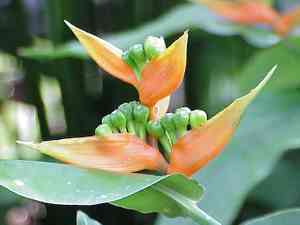
Red button ginger (Costus woodsonii)
Also known as: Scarlet spiral flag, Dwarf cone ginger, Panamanian candle ginger
Red button ginger (Costus woodsonii) thrives in warm, tropical climates and attracts butterflies and bees with its vivid red cones. To ensure it blooms continuously, maintain the temperature above 50°F (10°C).
In This Article
Attributes of Red button ginger
Lifespan
Perennial
Plant Type
Herb
Plant Height
1.3 m
Spread
80 cm
Leaf Color
Green
Flower Size
2.5 cm
Flower Color
Yellow Red Orange
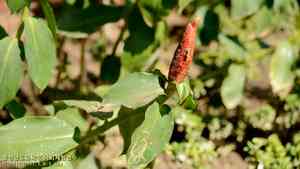
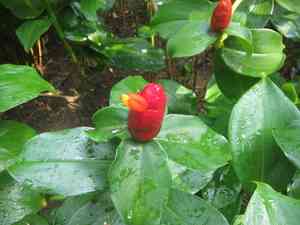
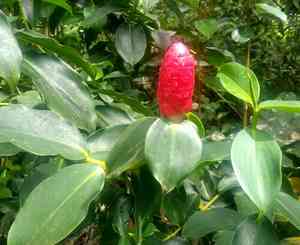
Images of Red button ginger
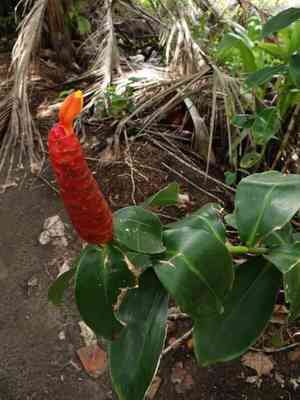
Quickly Identify Red button ginger
1
This plant can be identified by its spirally arranged leaves and bright red cone-like bracts that house small yellow flowers. The bracts are a distinguishing feature, alongside the thick, succulent stems.
Scientific Classification of Red button ginger
Phylum
Vascular plants
Class
Monocotyledons
Order
Zingiberales
Family
Costus
Genus
Costus
Species
Red button ginger
Planting and Growing of Red button ginger
Care Difficulty
Easy
Watering Schedule
Every 12 days
Sunlight Requirements
Partial sun
Sunshine Duration
4-6 hours
Ideal Temperature
65-75℉
Soil Type
Potting Mix, Peat Mix
Soil pH
5.5-7.5
Fertilizer Type
Balanced
Pruning Season
Spring, Summer
Pruning Area
Branches, Leaves
Pruning Frequency
2 times a year
Repotting Season
Spring
Pot Type
Plastic, Ceramic
 How to Water Red button ginger?
For Costus woodsonii, water generously but ensure excess moisture is drained to prevent root rot. Typically, around 250 milliliters of water per watering session is adequate when the top inch of soil is dry.
What are the symptoms of an underwatered Red button ginger?
›
What should I do if my Red button ginger is not getting enough water?
›
What are the symptoms of an overwatered Red button ginger?
›
How to save an overwatered Red button ginger?
›
 What Are the Sunlight Requirements for Red button ginger?
Costus woodsonii ideally benefits from 4-6 hours of partial sunlight, blending direct and indirect light, which supports robust growth, vibrant leaf pigmentation, and overall plant health.
More About Sunlight Requirements Techniques→
What is the ideal lighting condition for Costus woodsonii?
›
How can I achieve the ideal lighting conditions?
›
What are the benefits of providing ideal lighting conditions?
›
 What Is the Ideal Temperature Range for Red button ginger?
For Costus woodsonii, the ideal temperature range is between 65°F and 75°F. At these temperatures, the plant can grow healthily and maintain its vibrant foliage and flowers. Consistent exposure to temperatures within this range ensures the best physiological processes, including photosynthesis and nutrient uptake. It mimics their natural tropical environment, promoting the most vigorous growth.
 What Soil is Best for Red button ginger?
Costus woodsonii thrives best in well-drained soil, as it prevents waterlogging that could lead to root rot. This ensures healthy growth by providing essential aeration around the roots. This plant benefits greatly from soil rich in organic matter, which enhances nutrient availability and improves soil structure. Consequently, it aids in achieving robust foliage and vibrant blossoms. Costus woodsonii prefers soil that can retain some moisture without being overly wet. This balance in moisture supports sustainable growth and prevents dehydration, especially in warmer climates.
 How to Fertilize Red button ginger?
Costus woodsonii, commonly known as Red Button Ginger, thrives with balanced fertilization. It's important to provide a moderate amount of nutrients, usually applying about one-quarter strength recommended dosage for houseplants to avoid nutrient burns. Opt for a balanced 10-10-10 liquid fertilizer during the growing season.
 How to Prune Red button ginger?
Begin by cleaning your pruning tools with alcohol to prevent infection. Target old or yellowing stems and cut them back to the base of the plant. Make clean, angled cuts to facilitate healthy regrowth. Remove any dead or wilted flowers to encourage new blooms. Trim overgrown areas selectively to maintain a bushy, balanced aesthetic without over-pruning. Approach each section of the plant methodically, ensuring an even shape and density.
More About Pruning Techniques→
 How to Propagate Red button ginger plant?
1
Choose a healthy parent plant for propagation to ensure strong and disease-free growth in the new plant. Avoid using plants that show signs of disease or infestation.
2
Select a section of the stem with several nodes, make a clean cut underneath a node, and remove excess leaves. Dip the cut end in rooting hormone to enhance root formation.
3
Insert the prepared cutting into a pot filled with a well-draining potting mix, and water it thoroughly. Ensure the soil remains consistently moist to support root development.
 How to Repot Red button ginger plant?
1
Look for signs like roots growing through the drainage holes, the plant becoming top-heavy, or the soil drying out faster than usual. These indicate the need for repotting as they suggest the plant has outgrown its current pot.
2
Select a pot that is one to two inches larger in diameter than the previous one. Ensure it has good drainage holes to prevent waterlogging, which could lead to root rot. A slightly larger pot will provide ample space for growth without overwhelming the root system.
3
Opt for a rich, well-draining potting mix, ideally formulated for tropical plants. This type of soil helps maintain moisture levels without retaining excess water, thus protecting the roots from rot and ensuring healthy plant development.
Learn More About Red button ginger Diseases
Anthracnose
Bacterial Leaf Spot
Bacterial Soft Rot
Bacterial Wilt
Damping-off
Downy Mildew
Drought Stress
Fusarium Wilt
Gray Mold
Leaf Spot
Mosaic
Nutrient Deficiency
Nutrient Toxicity
Powdery Mildew
Root Rot
Root-knot Nematode
Rusts
Sooty Mold
Spider Mites
Temperature Stress
Thrips Damage
White Mold
Chemical Injury



