How Much Sunlight Do Nipple beehive cactus Need?
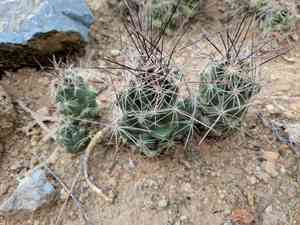
1
Nipple beehive cactus flourishes with a minimum of 6 hours of direct sun each day.
2
The morning sun is milder and perfect for Nipple beehive cactus development.
3
In winter, relocating your Nipple beehive cactus indoors can shield it from freezing temperatures.
Ideal Light Conditions for Nipple beehive cactus
Direct vs. Indirect Illumination
The Nipple beehive cactus flourishes best under direct sun exposure. This heliophilic cactus prefers a location receiving at least 6 to 8 hours of sunlight daily. Direct light ensures the cactus maintains its sturdy, spiky form and vibrant hue. While it can endure partial sun, predominantly indirect light will lead to slower development and a less vigorous appearance.
Advantages of Morning Light
Exposure to morning sun is particularly beneficial for the Nipple beehive cactus. The early sun provides ample warmth without the harsh, scorching intensity of midday rays. This measured light exposure aids the cactus in efficient photosynthesis while reducing the risk of sun damage.
Seasonal Light Needs: Spring & Summer vs. Fall & Winter
The Nipple beehive cactus requires full sun for optimal development during spring and summer. Position your cactus in a south-facing window to soak up the sunlight. However, as autumn and winter approach, daylight hours shorten, and temperatures drop, decreasing the cactus's light requirements. Consider relocating it indoors or to a less exposed area to shield it from potential frost while still ensuring sufficient illumination.
Determining Proper Light Levels for Nipple beehive cactus
Indicators of Excessive Sunlight
Overexposure to sunlight can cause sunburn, visible as brown or yellowish patches on the cactus's surface. If your Nipple beehive cactus displays these signs, it's crucial to gradually lessen its sun exposure by moving it to an area with filtered light.
Indicators of Insufficient Sunlight
If your Nipple beehive cactus isn't receiving enough sunlight, you'll observe it becoming etiolated, or 'stretched'. This means the plant will appear elongated, with longer, thinner stems as it reaches for light. Inadequate sunlight also results in dull coloration and stunted growth.
How to Modify Light Exposure
Adjusting light exposure is straightforward. If your cactus is getting sunburned, progressively move it to a spot with indirect sunlight or use a sheer curtain for shade. Conversely, if it lacks light, reposition it to a brighter location, such as a south or west-facing window.
Common Light Problems and Their Solutions
Sunburned Cactus Tips Advice
Sunburned tips on your Nipple beehive cactus indicate too much direct sunlight. Protect these areas by moving the plant to a shadier spot during peak sun hours or using a sheer curtain to diffuse the light. Gradual acclimatization to bright light can prevent further burning.
Etiolated or Stretched Growth
Stretched growth signifies inadequate light. Move your cactus to a brighter location and ensure it receives sufficient direct sunlight daily. Rotating the plant weekly can also encourage balanced growth and prevent uneven elongation.
Sunlight and Hydration Balance
Balancing sunlight and watering is vital. More sunlight means your Nipple beehive cactus will need slightly more water, but be careful not to overwater. During periods of intense sunlight, water thoroughly but allow the soil to dry completely between waterings.
Placement Recommendations for Maximum Light
Optimal Window Positions
For indoor cultivation, place your Nipple beehive cactus in a south or west-facing window where it can receive ample sunlight. These positions typically provide the most consistent and intense light, essential for healthy cactus development.
Outdoor vs. Indoor Placement
Outdoors, position your Nipple beehive cactus in a sunny spot where it gets several hours of direct sunlight daily. If indoors, select a bright, sunny window. In colder seasons, indoor placement near a sunny window can shield the cactus from frost while still offering sunlight.



