Enhancing Your Garden Design with the Nipple beehive cactus Plant: A Landscaping Guide
1
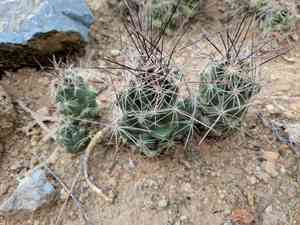
The Nipple beehive cactus offers a distinctive aesthetic due to its unique form and surface.
2
This cactus variety is very resistant to dry conditions, making it suitable for sustainable garden designs.
3
Strategic positioning and complementary plant choices can enhance both the beauty and environmental advantages of the Nipple beehive cactus.
Introducing Nipple beehive cactus in Garden Design
Examining the visual impact of Nipple beehive cactus in outdoor spaces
To elevate your garden's aesthetic, Nipple beehive cactus stands out with its distinct form and look. Its characteristic shape and texture offer a captivating centerpiece that can break up the uniformity of typical garden flora. The green color and architectural structure bring an element of fascination and contrast, making it an excellent choice for adding depth and intricacy to your landscape plan.
The function of Nipple beehive cactus in environmentally friendly landscaping
Nipple beehive cactus plays a crucial role in sustainable gardening methods. Due to its high drought tolerance, this plant is perfect for xeriscaping, a landscaping approach focused on minimizing water usage. By incorporating Nipple beehive cactus into your garden, you can lessen your environmental footprint while maintaining a lively and visually appealing outdoor area. Furthermore, Nipple beehive cactus's ability to thrive in poor soil conditions makes it a low-maintenance option that aids in soil stabilization and erosion prevention.
Selecting the Optimal Spot for Nipple beehive cactus
Evaluating sun exposure and shade needs for peak development
Finding the best location for Nipple beehive cactus in your garden is vital for ensuring its healthy growth and longevity. Nipple beehive cactus flourishes in areas that receive ample sunlight, ideally at least six hours of direct sun daily. While it can endure partial shade, insufficient sunlight may impede its growth and lessen its overall visual appeal. Take time to observe various parts of your garden to pinpoint the ideal spot that meets these sunlight requirements.
Considering soil composition and drainage
Soil type and drainage are equally important factors when planting Nipple beehive cactus. This plant prefers well-draining soils, as too much moisture can lead to root rot. If your garden has heavy clay soils, consider amending them with sand or organic material to enhance drainage. Raising the planting area or utilizing raised beds can also help alleviate poor drainage issues. Ensuring Nipple beehive cactus is planted in optimal soil conditions will encourage robust growth and minimize disease risk.
Integrating Nipple beehive cactus with Other Plants
Companion planting for ecological diversity and visual appeal
Companion planting with Nipple beehive cactus can boost both the ecological and aesthetic value of your garden. Pairing Nipple beehive cactus with other drought-tolerant plants, such as succulents and grasses, can create a harmonious and visually stunning landscape. The contrasting shapes and colors of various companion plants add layers of interest and foster biodiversity, contributing to a healthier garden ecosystem. Consider plants that not only complement Nipple beehive cactus visually but also thrive under similar growing conditions.
Avoiding common planting mistakes
To ensure successful integration of Nipple beehive cactus into your garden, it's crucial to steer clear of typical planting errors. A frequent mistake is overwatering, which can be detrimental to Nipple beehive cactus's health. Another error is planting Nipple beehive cactus too close to other plants, leading to competition for resources and restricted growth. Providing sufficient space and meeting the specific growing needs of Nipple beehive cactus and its companions will help maintain a balanced and flourishing garden.
Maintaining the Appearance of Nipple beehive cactus
Seasonal considerations for enduring beauty
Preserving the aesthetic appeal of Nipple beehive cactus throughout the seasons involves understanding its growth patterns and seasonal requirements. While Nipple beehive cactus is relatively low maintenance, it's essential to monitor its condition during different times of the year. In colder months, ensure Nipple beehive cactus is shielded from frost by using appropriate covers or moving potted plants indoors. Regularly check for signs of pests or diseases, especially during the growing season, to keep the plant healthy and attractive.
Trimming and upkeep advice
Regular trimming and upkeep are vital aspects of maintaining Nipple beehive cactus's appearance. Prune any dead or damaged parts to encourage new growth and preserve its shape. Use clean and sharp tools to make precise cuts, reducing the chance of infection. Additionally, periodic grooming to remove debris can enhance Nipple beehive cactus's look and prevent pest infestations. By dedicating a little time to these simple tasks, you can ensure Nipple beehive cactus remains a highlight in your garden year-round.
Innovative Ways to Display Nipple beehive cactus
Creating garden focal points with Nipple beehive cactus
Nipple beehive cactus can be used to establish striking focal points in your garden. Its distinctive structure and eye-catching appearance draw attention, making it an ideal centerpiece for garden beds or containers. Consider using Nipple beehive cactus to anchor a specific area of your garden, such as a rock garden or a dedicated cactus display. By strategically placing Nipple beehive cactus, you can enhance the overall flow and design of your outdoor space, creating visual intrigue and interest.
Utilizing Nipple beehive cactus in contemporary vs. classic landscapes
Nipple beehive cactus is adaptable and can complement both modern and traditional landscape designs. In modern gardens, Nipple beehive cactus's clean lines and minimalist look align well with contemporary styles, emphasizing simplicity and structured aesthetics. Conversely, Nipple beehive cactus can also be incorporated into traditional landscapes to add a unique and unexpected element. Its distinctive form contrasts beautifully with classic garden plants, providing a refreshing twist to timeless garden designs.



