The Nipple beehive cactus Plant Advantage: Maximizing Home and Office Appeal and Wellness
1
The nipple beehive cactus is recognized for its ability to withstand dry conditions, making it ideal for desert environments.
2
This particular cactus variety is appreciated for its contribution to soil preservation and erosion control.
3
The nipple beehive cactus provides visual charm with its unique form and attractive blooms.
What Defines the Nipple Beehive Cactus?
Arid Condition Tolerance
A standout characteristic of the Nipple beehive cactus is its remarkable ability to endure dry spells. Originating from arid zones, this cactus has evolved to survive extended periods without water. This makes it an excellent selection for xeriscaping, a landscaping approach aimed at minimizing or eliminating the need for irrigation.
Unique Visuals
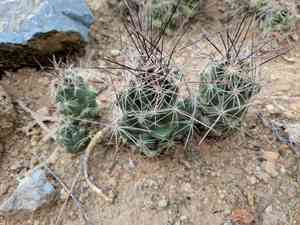
The Nipple beehive cactus is easily identified by its distinct form, featuring densely packed stems covered in spines. When flowering, it produces striking blooms ranging from vibrant pink to deep magenta. These visual traits make it a favored decorative plant for gardens and indoor displays.
How Does Nipple Beehive Cactus Aid Soil Preservation?
Erosion Control
With its robust root system, the Nipple beehive cactus plays a crucial role in maintaining soil integrity. Its roots help secure the soil, reducing its vulnerability to erosion caused by wind or water. This is especially beneficial in areas prone to dry, windy conditions.
Soil Structure Improvement
Beyond preventing erosion, the roots of the Nipple beehive cactus also contribute to enhancing soil composition. They boost soil aeration and facilitate water penetration, fostering a more stable environment for other plants. This positions the Nipple beehive cactus as a valuable asset in any ecological restoration effort.
What Are the Visual Advantages of Nipple Beehive Cactus?
Decorative Appeal
The Nipple beehive cactus is highly prized for its aesthetic charm. Its unusual shape and vivid flowers make it a captivating addition to any landscape. Whether incorporated into rock gardens, succulent arrangements, or as a standalone feature, it consistently draws attention.
Landscaping Adaptability
Another visual benefit of the Nipple beehive cactus is its flexibility. It can be utilized in various landscaping styles, from contemporary minimalist designs to classic garden settings. Its compact size and minimal care requirements also make it suitable for container gardening, allowing enjoyment even in confined spaces.
How Can Nipple Beehive Cactus Be Integrated into Landscaping?
Water-Wise Gardening
Due to its drought-resistant qualities, the Nipple beehive cactus is an excellent option for xeriscaping. This landscaping technique focuses on reducing water consumption by using plants that require minimal irrigation. The Nipple beehive cactus not only survives but flourishes in such conditions, making it an eco-friendly choice.
Rocky and Arid Gardens
The natural habitat of the Nipple beehive cactus makes it perfectly suited for rock gardens and desert landscapes. Its ability to thrive in rocky, sandy soils and its low water needs mirror the conditions of a desert environment. Including the Nipple beehive cactus in these garden types adds an authentic touch and enhances the overall look.
How to Maintain Nipple Beehive Cactus?
Watering and Substrate Needs
Caring for the Nipple beehive cactus is relatively simple, thanks to its low maintenance demands. It requires well-draining soil to prevent root rot and should be watered sparingly, especially during the dormant winter months. Overwatering is one of the few risks when tending to this resilient plant.
Light and Temperature Conditions
The Nipple beehive cactus thrives in full sun and can withstand high temperatures, typical of its desert origins. However, it can also adapt to partial shade, making it a versatile choice for various garden environments. During extreme cold, it's advisable to offer some protection, though it is generally quite robust.



