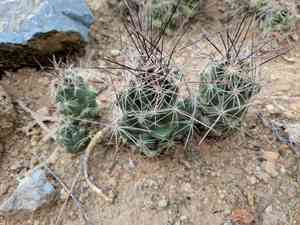
Nipple beehive cactus (Coryphantha macromeris)
Also known as: Big Tube Cory Cactus, Long-tubercled Cory Cactus
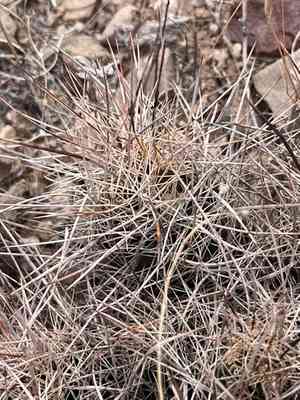
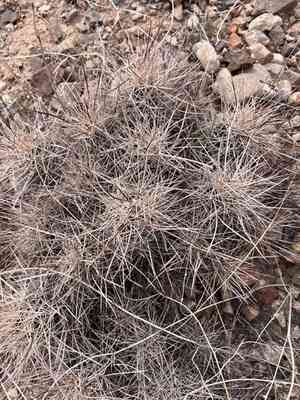
The Coryphantha macromeris cactus has a unique look, often compared to a large, irregular beehive adorned with tubercles. Each tubercle, or "nipple," is topped with a rosette of curved spines. This cactus, sometimes called the "nipple beehive cactus," stands out due to its distinctive structure. Despite its desert origins, Coryphantha macromeris exhibits notable cold tolerance, surviving temperatures as low as 20°F (-6°C) for brief periods.
In This Article
Attributes of Nipple beehive cactus
Lifespan
Perennial
Plant Type
Shrub
Plant Height
25 cm
Spread
60 cm
Leaf Color
N/A
Flower Size
4-5 cm
Flower Color
Pink Purple
Images of Nipple beehive cactus

Quickly Identify Nipple beehive cactus
1
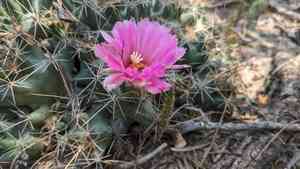
Coryphantha macromeris can be identified by its cylindrical stems, elongated tubercles, and the presence of large, showy flowers that are pink to lavender in color with a yellow center.
Scientific Classification of Nipple beehive cactus
Phylum
Vascular plants
Class
Dicotyledons
Order
Caryophyllales
Family
Cactuses
Genus
Beehive cactusses
Species
Nipple beehive cactus
Planting and Growing of Nipple beehive cactus
Care Difficulty
Easy
Watering Schedule
Every 2 days
Sunlight Requirements
Full sun
Sunshine Duration
4-8 hours
Ideal Temperature
70-85℉
Soil Type
Potting Mix, Peat Mix
Soil pH
6.5-7.5
Fertilizer Type
Balanced
Pruning Season
Spring, Summer
Pruning Area
Branches, Leaves
Pruning Frequency
2 times a year
Repotting Season
Spring
Pot Type
Plastic, Ceramic
 How to Water Nipple beehive cactus?
Coryphantha macromeris requires watering that thoroughly moistens the soil but does not leave it soggy. The drainage must be excellent to prevent root rot. A good rule of thumb is to water until you see slight drainage from the bottom of the pot, which usually amounts to around 150 ml each time.
What are the symptoms of an underwatered Nipple beehive cactus?
›
What should I do if my Nipple beehive cactus is not getting enough water?
›
What are the symptoms of an overwatered Nipple beehive cactus?
›
How to save an overwatered Nipple beehive cactus?
›
 What Are the Sunlight Requirements for Nipple beehive cactus?
Coryphantha macromeris thrives best in full to partial sun, meaning around six to eight hours of sunlight daily. This promotes blooming, robust growth, and overall plant vigor, enhancing its natural resilience.
More About Sunlight Requirements Techniques→
What is the ideal amount of sunlight for Coryphantha macromeris?
›
How can you ensure that Coryphantha macromeris gets the ideal light?
›
What benefits does the ideal lighting provide for Coryphantha macromeris?
›
 What Is the Ideal Temperature Range for Nipple beehive cactus?
Coryphantha macromeris thrives best within a temperature range of 70°F to 85°F. This range supports optimal physiological processes like photosynthesis and respiration, ensuring robust growth and health. During this range, the plant is less likely to experience stress, promoting better growth and flowering.
 What Soil is Best for Nipple beehive cactus?
Coryphantha macromeris requires soil that drains quickly to prevent root rot. Sandy soil, which allows water to pass through easily, is ideal. This characteristic ensures that the plant's roots remain healthy and can absorb nutrients efficiently, promoting strong growth and vibrant appearance. Incorporating loam into the soil mix helps provide essential nutrients. Loam is rich in organic matter, offering a balanced supply of minerals necessary for Coryphantha macromeris to thrive. This nutrient richness supports the plant’s developmental processes and strengthens its resistance against pests and diseases. This species benefits from a slightly calcareous soil, which contains calcium carbonate. The calcium content in the soil helps to maintain the plant's structural integrity and supports cell wall development, crucial for sustaining its overall health and robustness.
 How to Fertilize Nipple beehive cactus?
For Coryphantha macromeris, a balanced, water-soluble cactus fertilizer diluted to half strength is ideal. Use approximately one tablespoon per gallon of water. Make sure the soil is slightly damp before applying liquid fertilizer to prevent root burn.
 How to Prune Nipple beehive cactus?
When removing stems or dead parts, make clean cuts at the base of the plant. Avoid leaving stubs, as they can become entry points for pests or diseases. While removing damaged or dead parts is beneficial, avoid over-pruning. Excessive removal of healthy growth can stress the plant and hinder its natural development.
 How to Propagate Nipple beehive cactus plant?
1
Collect seeds from ripe plants and clean them thoroughly to remove pulp residues. Soak the seeds in warm water for 24 hours to soften the tough seed coat, enhancing the germination rate when planted.
2
Prepare a well-draining sandy or cactus mix. Fill the seedling tray with this mix, placing seeds on the surface. Cover lightly with sand or perlite, ensuring they are not buried deep, as light exposure favors germination.
3
Select a healthy rootstock and prepare a matched scion from Coryphantha macromeris. Cut both with a sharp, sterilized knife, align, and secure them using grafting tape or rubber bands. Maintain humidity by covering with a plastic bag.
 How to Repot Nipple beehive cactus plant?
1
Coryphantha macromeris signals its need for repotting when the roots begin to overflow from the drainage holes or when growth appears stunted despite proper care. Observing crowded roots or dull, slow development frequently indicates it's time to consider a new pot!
2
Opt for a pot slightly larger in diameter than its current one, preferably made of breathable materials like terracotta. This choice ensures proper drainage and airflow, which are essential for preventing root rot and promoting healthy root growth in this cactus species.
3
Selecting a well-draining cactus-specific soil mix is crucial. This type of soil provides the right balance of moisture retention and aeration, fostering an ideal environment that keeps the roots healthy and prevents overwatering issues.
Toxicity
Ingestion
WARNING
The judgment on toxicity and danger is for reference only. We DO NOT GUARANTEE any accuracy of such judgment. Therefore, you SHALL NOT rely on such judgment. It is IMPORTANT TO SEEK PROFESSIONAL ADVICE in advance when necessary.



