How to Propagate Nipple beehive cactus?
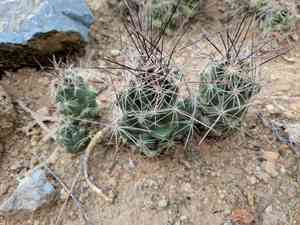
Nipple beehive cactus can be successfully multiplied by planting seeds, a method appropriate for both experienced gardeners and beginners. To achieve the best outcomes, verify that the seeds are new and planted in potting blends that drain efficiently to avert root decay. Steady dampness and warmth are vital for sprouting, yet excessive watering must be prevented to safeguard tender seedlings from overly wet environments. Supplying ample, diffused illumination to juvenile nipple beehive cactus is critical for vigorous development, while direct sun exposure, which could burn fragile tissues, should be avoided.
When Is the Optimal Time to Propagate Nipple Beehive Cactus?
Propagation Method
Seeding
Propagation Period
Spring
What Equipment Is Used in Nipple Beehive Cactus Propagation?
Seed trays
Seed trays are vital for initiating nipple beehive cactus seeds in a regulated setting where humidity and temperature can be closely observed. These trays facilitate uniform seed spacing, ensuring each seedling has ample room to grow without competition.
Sterile potting mix
A sterile potting mix is employed to offer a clean, pathogen-free environment for nipple beehive cactus seeds, essential for preventing fungal and bacterial diseases that could hinder germination and seedling development. The mix should drain well to suit cactus requirements.
Misting bottle
A misting bottle assists in maintaining the perfect moisture levels needed for nipple beehive cactus seed germination without excessive watering, which can be harmful. It delivers gentle hydration suitable for delicate seedlings, preventing soil disruption or seed displacement.
Grow lights
Grow lights are advantageous for supplying consistent and sufficient light exposure to nipple beehive cactus seeds, particularly in areas lacking adequate natural sunlight. Proper light exposure is crucial for seedling growth and helps ensure a robust growth pattern.
Heat mat
A heat mat aids in sustaining the ideal soil temperature to promote nipple beehive cactus seed germination and early development, especially in colder climates or seasons. Consistent warmth is important for metabolic processes that drive growth in nipple beehive cactus seedlings.
How to Propagate Nipple Beehive Cactus?
Propagation Difficulty
Simple
How to Care for Your Newly Propagated Nipple Beehive Cactus?
How to Care for Your Newly Propagated Nipple Beehive Cactus?
Post-propagation, gradually introduce nipple beehive cactus to its typical growing conditions. Position the new plants in a spot where they receive bright, indirect sunlight, and water sparingly, allowing the soil to dry out between watering sessions. As nipple beehive cactus matures, it should be moved to a sunnier location where it can get several hours of direct sunlight daily. Monitor for indications of over or underwatering, characterized by shriveling or mushiness respectively, and adjust care as necessary to ensure the health and growth of nipple beehive cactus.
Common Errors to Avoid When Propagating Nipple Beehive Cactus
Overwatering
Excessive watering of nipple beehive cactus can lead to root rot as it is adapted to arid conditions. Too much moisture around the roots can cause them to decay, hindering the plant's ability to absorb nutrients and ultimately leading to its demise.
Using non-sterile tools
Employing non-sterile tools for cutting or handling nipple beehive cactus can introduce pathogens, resulting in infections that can compromise the plant's health and growth.
Improper soil mix
Selecting an unsuitable soil mix that retains too much moisture can be detrimental for nipple beehive cactus. The species requires a well-draining mix to prevent water-related issues such as root rot and fungal growth.
Lack of sufficient light
Failing to provide adequate light when propagating nipple beehive cactus will result in weak growth and poor rooting. This species thrives in bright conditions, and insufficient lighting compromises its development.
Tips For Propagating Nipple Beehive Cactus
Use clean, sharp tools
Always use clean, sharp tools when taking cuttings from nipple beehive cactus to ensure a clean cut that heals quickly and minimizes the risk of infection.
Choose the right soil
Select a well-draining soil mix, ideally one specifically formulated for cacti and succulents, which will support the health and growth of nipple beehive cactus.
Moderate watering regimen
Maintain a moderate watering regimen after the cuttings of nipple beehive cactus have rooted, allowing the soil to dry out between waterings to mimic the plant's natural arid environment.
Provide ample brightness
Ensure that nipple beehive cactus receives plenty of light, although it should be indirect to prevent scorching. Bright, filtered light will encourage strong and healthy growth.



