How Much Sunlight Do Jepson ceanothus Need?
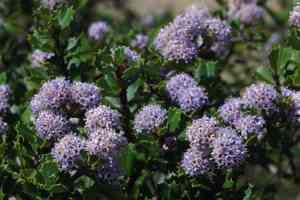
1
Jepson ceanothus flourishes with a minimum of 6 hours of direct sun each day.
2
This species originates from areas receiving ample sunlight, making it ideal for bright garden spots.
3
Monitor your plant's light exposure as seasons shift to guarantee steady illumination.
Ideal Light Conditions for Jepson ceanothus Development
Full Sun Versus Partial Shade
For your Jepson ceanothus to thrive, understanding the balance between full sun and partial shade is crucial. This vibrant shrub prefers full sun, meaning it needs at least six hours of direct sunlight daily. In some cases, partial shade is acceptable, especially in areas with extremely intense sun, but the plant will generally be less vigorous or bloom as profusely.
Daily Light Requirements
For peak growth, Jepson ceanothus should receive over six hours of sunlight each day. This light level ensures the plant can perform photosynthesis effectively, promoting essential growth and a healthy flowering cycle. In regions with less sunlight, you might observe slower development or fewer blooms.
Seasonal Fluctuations
It's important to consider seasonal shifts when addressing your Jepson ceanothus's light needs. During winter, the sun is lower, which can reduce the direct sunlight your plant receives. Positioning the plant to capture maximum winter sun, such as against a south-facing wall, can help ensure it gets sufficient light.
Ensuring Sufficient Sunlight for Jepson ceanothus
Selecting the Proper Site
Choosing the best location for your Jepson ceanothus is vital for sun exposure. A south-facing spot is perfect, as it maximizes sunlight throughout the day. Avoid areas shaded by large trees or buildings that could block the sun, hindering the plant's growth and blooming potential.
Utilizing Reflective Elements
Boosting sunlight exposure can be achieved using reflective surfaces. Placing reflective materials like white stones or light-colored walls near your plant can help direct extra light onto the Jepson ceanothus. This method is particularly useful in gardens where natural light might be partly obstructed.
Pruning for Increased Light Access
Pruning is an effective way to ensure your Jepson ceanothus gets enough sunlight. Regularly trim any overgrown branches that might be shading other parts of the plant. Proper pruning will not only help increase light penetration but also encourage healthier growth and better air circulation.
Indicators of Insufficient or Excessive Sunlight on Jepson ceanothus
Symptoms of Light Deficiency
If your Jepson ceanothus isn't getting enough sunlight, you might notice several clear signs. Symptoms include sparse foliage, stunted development, and a lack of flowers. The leaves may appear pale or yellowish, indicating the plant is struggling to photosynthesize efficiently.
Signs of Too Much Sunlight
While Jepson ceanothus loves sunlight, too much, especially with high temperatures, can cause scorching. Signs of excessive sunlight include burned or brown leaf edges and a wilted appearance. If you see these symptoms, consider providing some afternoon shade to lessen the intensity.
Common Errors and How to Prevent Them
Incorrect Placement
A common error is planting Jepson ceanothus in an area that doesn't receive enough daily sunlight. Ensure placement in a spot that provides the necessary 6-8 hours of direct sunlight, avoiding areas heavily shaded by trees or structures.
Ignoring Seasonal Changes
Another frequent mistake is not adjusting for seasonal sunlight variations. As seasons change, so does the sun's path. Relocating plants or trimming surrounding foliage can help maintain optimal exposure year-round.
Inadequate Observation
Failing to regularly monitor the plant's sunlight exposure can lead to issues. Keep an eye on how much light your Jepson ceanothus receives daily. Adjust its placement or provide additional measures like moving reflective surfaces or regular pruning to ensure consistent sunlight.



