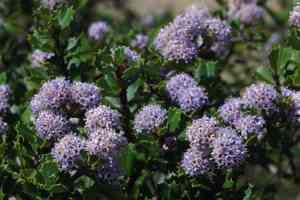
Jepson ceanothus (Ceanothus jepsonii)
Also known as: Jepson's Ceanothus, Musk Brush, California Lilac
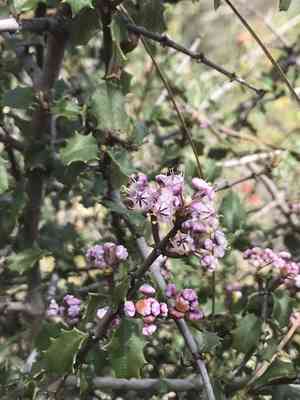
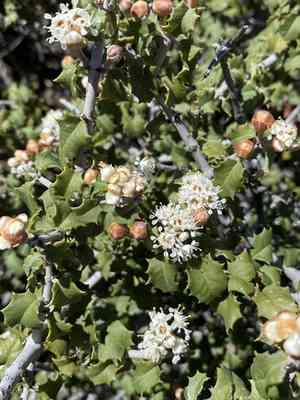
Jepson ceanothus emits a musky scent. Native to the west coast of North America, particularly California's serpentine soils, this evergreen shrub comes in two varieties: one with purple flowers and another with white. It's a drought-resistant plant that thrives in sunny locations.
In This Article
Attributes of Jepson ceanothus
Lifespan
Perennial
Plant Type
Shrub
Plant Height
90 cm to 1.2 m
Spread
3-5 feet (90-150 cm)
Leaf Color
Green
Flower Size
8 mm
Flower Color
White Purple
Images of Jepson ceanothus
Quickly Identify Jepson ceanothus
1
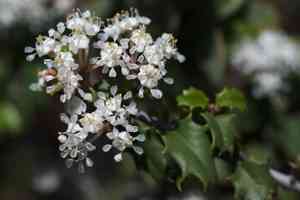
Ceanothus jepsonii can be identified by its small evergreen leaves, blue to purplish clusters of flowers, and rigid, branching structure. The leaves have a distinct leathery texture and are usually dark green on the upper side with lighter undersides.
Scientific Classification of Jepson ceanothus
Phylum
Vascular plants
Class
Dicotyledons
Order
Rosales
Family
Buckthorn
Genus
Redroots
Species
Jepson ceanothus
Planting and Growing of Jepson ceanothus
Care Difficulty
Moderate
Watering Schedule
Every day
Sunlight Requirements
Full sun
Sunshine Duration
6-10 hours
Ideal Temperature
60-75℉
Soil Type
Potting Mix, Peat Mix
Soil pH
6.5-7.5
Fertilizer Type
Balanced
Pruning Season
Spring, Summer
Pruning Area
Branches, Leaves
Pruning Frequency
2 times a year
Repotting Season
Spring
Pot Type
Plastic, Ceramic
 How to Water Jepson ceanothus?
Ceanothus jepsonii, or California lilac, thrives with minimal irrigation once established. The ideal watering depth is about 10 inches, ensuring water reaches the root zone deeply and encourages strong root growth. Therefore, water it thoroughly with approximately 500 ml of water once every four weeks, allowing the soil to dry out between waterings.
What are the symptoms of an underwatered Jepson ceanothus?
›
What should I do if my Jepson ceanothus is not getting enough water?
›
What are the symptoms of an overwatered Jepson ceanothus?
›
How to save an overwatered Jepson ceanothus?
›
 What Are the Sunlight Requirements for Jepson ceanothus?
Ceanothus jepsonii ideally grows in full sun conditions. Ensuring this exposure promotes ample blooming, maintains healthy foliage, and supports the plant's overall strength against environmental stresses.
More About Sunlight Requirements Techniques→
What is the best lighting condition for Ceanothus jepsonii?
›
How can I ensure the plant gets ideal light?
›
What benefits does proper lighting offer?
›
 What Is the Ideal Temperature Range for Jepson ceanothus?
The ideal temperature range for Ceanothus jepsonii is between 60°F and 75°F. This range supports optimal growth and photosynthesis, ensuring robust foliage development and healthy flowering. Maintaining this temperature range helps in achieving a balanced plant metabolism.
 What Soil is Best for Jepson ceanothus?
Ceanothus jepsonii thrives in well-draining soil to prevent root rot. Soils that do not retain water allow the roots to breathe and grow healthy, providing the plant with necessary aeration for optimal growth. Rich soils provide essential nutrients that support the thriving flowering and foliage of Ceanothus jepsonii. Fertile soil ensures that the plant has access to the vital minerals needed for robust health and extended blooming periods. Soils with a light texture do not compact easily, making them ideal for this species. Such soil enables easier root expansion, allowing Ceanothus jepsonii to establish itself quickly and efficiently in its growing location.
 How to Fertilize Jepson ceanothus?
For Ceanothus jepsonii, use a balanced fertilizer that provides all essential nutrients in a concentration suitable for shrubs. A moderate amount of 10-10-10 or similar should suffice, with approximately 1 tablespoon per gallon of water for liquid fertilizers. Monitor the plant for any signs of nutrient stress and adjust the amount accordingly.
 How to Prune Jepson ceanothus?
Start by identifying the main branches and shape you wish to maintain or achieve. Recognize the natural form of Ceanothus jepsonii to prune accordingly, which typically favors a rounded or spreading canopy. Begin by removing any dead, diseased, or broken branches. Cut them back to the point of healthy wood to prevent the spread of disease and improve overall plant health. Trim the plant to enhance its natural shape. Cut just above a bud facing outward to encourage a more bushy form. For more aesthetic pruning, maintain symmetry and balance in your cuts. To promote luscious new growth, lightly trim the tips of the branches. This not only encourages fuller growth but also increases the plant's flowering potential in the next bloom cycle.
More About Pruning Techniques→
 How to Propagate Jepson ceanothus plant?
1
Before sowing, soak the seeds of Ceanothus jepsonii in warm water for 24 hours to soften the seed coat and improve germination rates.
2
Select healthy, disease-free branches for cuttings. Ideally, cuttings should be taken from semi-hardwood branches to ensure optimal rooting success.
3
Use a well-draining soil mix rich in organic matter. This will provide the necessary nutrients and drainage for seedling and cutting development.
 How to Repot Jepson ceanothus plant?
1
Look for signs that your Ceanothus jepsonii needs repotting. The most telling signals include roots growing out of the drainage holes and soil that seems to dry out excessively quickly, even shortly after watering. This often signals that the plant is root-bound and needs more space to thrive.
2
Select a pot that is only slightly larger than the current one, usually 1-2 inches wider in diameter. It should have good drainage holes to prevent waterlogging and ensure excess water escapes easily. A slightly larger pot reduces water retention issues, promoting healthier root development.
3
Choose a well-drained, gritty soil mix to replicate the native environment of Ceanothus jepsonii, which thrives in rocky and poor soils. This mix prevents water from lingering too long around the roots, which can lead to root rot, a common issue in less aerated soils.



