The Jepson ceanothus Plant Advantage: Maximizing Home and Office Appeal and Wellness
1
Draws in helpful pollinators like bees and butterflies.
2
Needs little water after it's settled, perfect for dry regions.
3
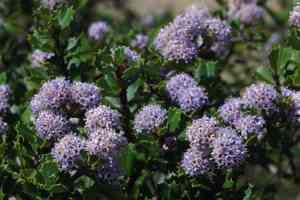
Provides constant green foliage and bright flowers, improving garden beauty.
What Makes Jepson ceanothus Special?
Unique Characteristics
A key attribute of Jepson ceanothus is its capacity to flourish in difficult environments, including rocky, low-nutrient soils. Its tough leaves and vivid blue or purple flower clusters not only add color but also aid in water conservation. This plant's deep root structure is ideal for stabilizing earth and preventing erosion.
Low Maintenance Requirements
Another significant benefit of Jepson ceanothus is its minimal care needs. Once established, it requires little watering, making it a sustainable option for drought-prone areas. Furthermore, it resists most pests and diseases, lessening the need for chemical treatments.
How to Incorporate Jepson ceanothus into Your Garden?
Ideal Planting Conditions
Jepson ceanothus is well-suited for full sun to partial shade. It prefers well-drained ground but is adaptable enough for various soil types. Planting it on inclines or slopes can assist with erosion control while adding an attractive feature to your landscape.
Companion Plants
Pairing Jepson ceanothus with other drought-resistant plants like manzanita, California lilac, or native grasses can create a harmonious and visually pleasing garden. These companions not only share similar growing conditions but also enhance each other's aesthetic and ecological advantages.
What are the Ecological Benefits of Jepson ceanothus?
Support for Pollinators
One of the most compelling reasons to include Jepson ceanothus in your garden is its role in supporting pollinators. The plant's vibrant blooms attract bees, butterflies, and other beneficial insects, fostering a healthy and balanced ecosystem. This pollination benefit extends to other plants in your garden, boosting overall productivity and health.
Wildlife Habitat
Jepson ceanothus also offers refuge and sustenance for various wildlife species, including birds and small mammals. Its dense foliage provides protection from predators, while its seeds serve as a food source. By incorporating Jepson ceanothus into your landscape, you contribute to local biodiversity and create a mini sanctuary for wildlife.
Can Jepson ceanothus Improve Soil and Water Management?
Soil Stabilization
The extensive root system of Jepson ceanothus is highly effective in stabilizing soil, making it a valuable plant for preventing erosion, especially on slopes and hillsides. This attribute not only preserves your landscape but also contributes to the health of local waterways by reducing sediment runoff.
Water Conservation
As a drought-tolerant plant, Jepson ceanothus is an excellent choice for water-wise gardening. Its ability to thrive with minimal irrigation reduces water usage, a critical consideration in areas facing water scarcity. Moreover, incorporating Jepson ceanothus into your garden design can help create a more sustainable and eco-friendly landscape.
How to Care for Jepson ceanothus?
Pruning and Maintenance
Pruning Jepson ceanothus is relatively straightforward. Light trimming after flowering helps maintain its shape and encourages denser growth. Remove any dead or damaged branches to keep the plant healthy and vibrant. Regularly check for pests or diseases, although Jepson ceanothus is generally resistant to these issues.
Fertilization and Soil Care
While Jepson ceanothus is adapted to thrive in nutrient-poor soils, adding a layer of mulch can help retain moisture and suppress weeds. Fertilization is typically unnecessary, but a light application of organic compost can benefit younger plants. Ensure the planting site has good drainage to prevent root rot.



