How to Prune Jepson ceanothus?
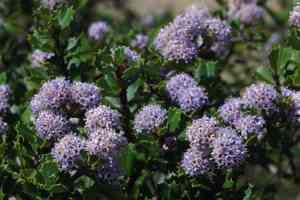
This perennial bush, recognized for its vivid azure blossoms and thick leaves, greatly benefits from careful trimming to sculpt its form and stimulate fresh development. For jepson ceanothus, conduct pruning following its flowering period, generally in late spring or early summer. Eliminate any deceased or intersecting branches and thin out aged stalks to enhance air movement. Pruning during this window optimizes the subsequent year's floral output and sustains a robust, controllable dimension. Always employ sanitized, keen implements for accurate incisions.
What Are the Benefits of Pruning Jepson Ceanothus?
What Are the Benefits of Pruning Jepson Ceanothus?
Trimming jepson ceanothus can encourage more abundant blooms while aiding in plant health management by reducing pest infestations and disease transmission, thereby ensuring robust and lively growth.
What Is the Best Time for Pruning Jepson Ceanothus?
What Is the Best Time for Pruning Jepson Ceanothus?
The period from late spring to early summer aligns with jepson ceanothus's post-flowering phase, typically after its spring blooms have faded but before the growth cycle begins preparing for the next flowering season. Pruning at this time is optimal because it prevents the removal of flower buds that form on old wood, which would otherwise diminish the floral display in the subsequent season. Additionally, pruning jepson ceanothus after the frost risk has passed in late spring minimizes potential cold damage to fresh cuts. This timing allows for strong recovery and promotes vigorous new growth without the stress of extreme weather. Finally, performing pruning or trimming at this stage helps maintain the desired form and size of jepson ceanothus, enhances air circulation through the plant, and prevents potential disease spread that is more common in cooler, wetter conditions.
What Tools Do I Need to Prune Jepson Ceanothus?
Hand Pruners
Perfect for clipping slender stems and branches up to 3/4 inch in diameter. The bypass type is advised as it creates a cleaner cut, which benefits the health of jepson ceanothus.
Loppers
Essential for cutting branches thicker than what hand pruners can manage, typically up to 1 1/2 inches. The extended handles offer leverage for easy cuts and prevent damage to the plant's structure.
Pruning Saw
A pruning saw with coarse teeth is suitable for branches exceeding 1 1/2 inches in thickness. This tool allows for precise cuts on larger branches without tearing the bark or causing undue stress to jepson ceanothus.
Hedge Shears
Useful for shaping jepson ceanothus if it is maintained as a hedge or for formal appearances. However, selective hand pruning is generally preferred to promote better air circulation and plant health.
How to Prune Jepson Ceanothus
Clean tools
Before pruning jepson ceanothus, cleanse and sanitize all pruning implements to prevent disease transmission. This is vital when excising diseased portions.
Remove diseased materials
Trim and dispose of any diseased leaves and branches from jepson ceanothus first. Make angled cuts, well below the affected areas, to ensure all diseased tissue is eliminated.
Dead material removal
Cut away dead branches and withered leaves from jepson ceanothus. This aids in improving air circulation and light penetration, fostering healthier growth.
Shape maintenance
Prune away spent flowers and overly long branches on jepson ceanothus to maintain its desired shape and size. This encourages new blooms and a compact growth habit.
Post pruning care
After pruning, clear the area around jepson ceanothus to remove all trimmings and fallen debris. Apply a suitable fungicide if necessary to prevent infection in cut areas.
Common Pruning Mistakes with Jepson Ceanothus
Overpruning
Removing too much growth at once can stress jepson ceanothus, potentially leading to weakened defenses against pests and diseases or even plant demise.
Cutting into old wood
Jepson ceanothus blooms on new growth, so pruning into the mature, woody stems may result in fewer flowers or harm the plant's natural form.
Using blunt tools
Pruning jepson ceanothus with dull implements can cause jagged cuts that make the plant more vulnerable to diseases.
Ignoring diseased material
Failure to remove diseased branches can lead to the spread of pathogens within jepson ceanothus and to nearby plants.
Making flush cuts
Cutting branches too close to the trunk or parent limb can remove the branch collar, hindering the healing process and inviting disease into jepson ceanothus.
Pruning uniformly
Trimming all branches to the same length disregards jepson ceanothus's growth pattern, which can spoil its natural shape and vigor.
Common Pruning Tips for Jepson Ceanothus
Selective pruning
Thinning out specific branches on jepson ceanothus helps maintain a natural form, encourages airflow, and allows light to penetrate, promoting healthy growth.
Sharp tools
Using sharp, clean pruning tools ensures precise cuts that heal quickly, reducing stress on jepson ceanothus, and minimizing disease entry points.
Gradual pruning
Gradually pruning over a few seasons avoids shocking jepson ceanothus and gives you better control over its final shape and health.
Deadheading
Removing spent flowers on jepson ceanothus after blooming encourages further flowering and prevents seed production, which can deplete plant energy.
Healthy growth removal
Occasionally trimming some healthy growth encourages jepson ceanothus to grow thicker and fuller, rather than becoming leggy.
Disease prevention
Disinfecting tools between cuts, especially when removing diseased branches, prevents pathogens from spreading in jepson ceanothus.



