How Much Sunlight Do Tree anemone Need?
1
Tree anemone flourishes in bright light, requiring a minimum of six hours of direct sun each day.
2
Regularly observe your Tree anemone for indications of excessive or insufficient light exposure.
3
Employing shade covers can assist in managing light levels during especially warm and sunny periods.
Grasping Tree anemone's Light Needs
Optimal Light Conditions for Tree anemone
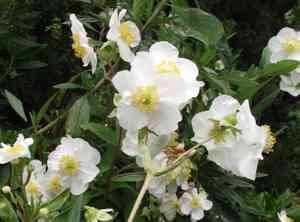
The Tree anemone thrives in settings where it gets ample light. Ideally, this plant should experience full sun, meaning it should be exposed to direct sunlight for at least six hours daily. This level of illumination ensures vigorous development and helps maintain its vibrant foliage and striking white blooms. A bright, well-lit spot is perfect for maximizing your Tree anemone's health and beauty.
How Much Direct Light?
Direct sunlight is vital for the Tree anemone. Aim to provide at least six hours of direct sun each day. This plant naturally grows in sunny environments, so replicating this exposure in your garden or on your patio is crucial. Insufficient light can lead to sparse flowering and weak growth, while adequate sunshine promotes vivid blossoms and a sturdy structure.
Can Tree anemone Endure Shade?
While the Tree anemone prefers full sun, it can withstand partial shade, especially in the afternoon when the sun is strongest. Morning sun, followed by filtered afternoon shade, can also be effective. However, the plant might not bloom as profusely in shaded areas, and its overall vitality could diminish. Striking a balance is key, so observe your plant's reaction and modify its placement accordingly.
Positioning Your Tree anemone for Best Light
Outdoor Positioning
When planning your garden layout, place your Tree anemone in an area that receives maximum sunlight. Select an open spot free from large trees or structures that could cast shadows. Ensure the soil drains well, as Tree anemone dislikes sitting in waterlogged conditions. Ideal outdoor locations include sunny garden beds, south-facing borders, and spots with good air circulation.
Indoor Positioning
If you're caring for a Tree anemone indoors, place it near a south-facing window where it can absorb plenty of light. You might need to supplement natural light with grow lights, particularly during the shorter winter days. Rotate the plant periodically to ensure uniform growth on all sides. Look for signs of leggy growth or yellowing leaves, which could indicate a need for more light.
Common Light Problems for Tree anemone
Indicators of Excessive Light
Even though Tree anemone enjoys abundant sun, too much direct sunlight, especially in extremely hot climates, can cause leaf scorch. Look for signs of browning or crispy leaf edges and burned spots. If you notice these symptoms, consider adding a shade cloth or moving the plant to a slightly shadier location during the hottest part of the day.
Indicators of Insufficient Light
If a Tree anemone isn't getting enough sunlight, it may exhibit slower growth, fewer flowers, and a spindly appearance. The leaves might become dull and lose their bright green hue. If you observe such signs, try relocating the plant to a brighter spot and ensure it receives the recommended light exposure for healthy development.
Tips for Adjusting Light Exposure for Tree anemone
Seasonal Adjustments
Seasonal changes can affect the amount of sunlight your Tree anemone receives. In summer, the plant may require protection from intense midday sun, while in winter, it might need more exposure to compensate for shorter days. Adjust the plant's location seasonally, or use temporary shading options like umbrellas or shade cloths as needed.
Utilizing Shade Cloths and Other Aids
Shade cloths are a valuable tool to manage sunlight exposure for your Tree anemone. They can provide the right amount of filtered light during peak sun hours. Choose a cloth with a 20-40% shading factor for optimal balance. Other aids include movable plant stands and adjustable screens, which allow you to control light exposure easily and protect your plant from harsh sun or unexpected weather changes.



