How to Propagate Tree anemone?
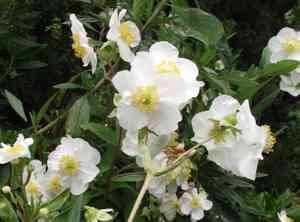
Indigenous to California, the tree anemone is an uncommon and decorative shrub that flourishes in adequately drained soil and areas with partial sunlight. To multiply tree anemone, collect semi-hardwood sections during its period of vigorous growth. Confirm that these sections possess several leaf nodes and apply rooting stimulant to foster root formation. Insert them into a highly aerated substrate, ensuring it remains uniformly damp until roots are firmly established. For superior outcomes, shield them from severe temperatures and sustain ideal moisture levels.
When Is the Best Time to Multiply Tree Anemone?
Propagation Method
Cutting
Propagation Period
Spring,Summer
What Tools Are Needed for Tree Anemone Propagation?
Sharp Pruning Shears
Crucial for obtaining clean sections of tree anemone's stems for propagation. A keen blade ensures a precise cut, minimizing harm to plant tissues, which helps prevent infections and promotes faster root formation.
Rooting Hormone Powder
This aid boosts the success rates for rooting tree anemone cuttings by stimulating root development at the cut site. Applying a rooting hormone to the severed end of the cutting before planting aids in establishing a strong root system more quickly.
Potting Mix
A well-draining, nutrient-rich growing medium supports robust root development. For tree anemone, a blend formulated for woody plants or a combination including perlite and peat moss is ideal to ensure adequate drainage and aeration, critical factors in root growth.
Propagation Trays
These containers are utilized to arrange and hold tree anemone cuttings as they develop roots. Using trays allows for regulated environmental conditions, including moisture levels and rooting medium, essential for successful cutting propagation.
Misting Bottle
Used to frequently spray tree anemone cuttings, maintaining high humidity which is vital for the cuttings' survival before rooting. Sustaining moisture helps prevent the cuttings from drying out and supports the emergence of new roots.
Heating Mat
Especially beneficial in cooler climates, a heating mat helps maintain an optimal temperature around tree anemone's root zone, encouraging quicker root growth. This is particularly important during colder months when root development might otherwise slow down.
How to Propagate Tree Anemone?
Propagation Difficulty
Moderately Difficult
How to Care for Your Newly Propagated Tree Anemone?
How to Care for Your Newly Propagated Tree Anemone?
Once rooted, gradually introduce tree anemone to less humid conditions by progressively uncovering it over several days. After establishment, transplant the rooted cuttings into individual containers or directly into the garden. Tree anemone requires well-drained soil and partial to full sunlight, with consistent watering while ensuring proper drainage to avoid root rot. Moderate fertilization can be beneficial during the active growth period. Protect from frost as tree anemone can be susceptible to extreme cold.
Common Errors to Avoid When Propagating Tree Anemone
Overwatering cuttings
Cuttings of tree anemone can be prone to rot when exposed to excessive moisture. This can appear as softened stems and discolored leaves, indicating decay and reducing the chances of successful rooting.
Poor cutting selection
Using weak or diseased cuttings from tree anemone for propagation can result in poor root development or the spread of illness, compromising the health of new plants.
Neglecting hygiene
Failing to use sanitized tools and containers when propagating tree anemone can introduce pathogens and pests, hindering growth or killing young plants.
Excessive fertilizer use
Applying too much fertilizer to tree anemone cuttings can burn the developing roots and discourage their growth, impeding propagation efforts.
Ignoring light requirements
Providing insufficient light to tree anemone during propagation can weaken the cuttings by inhibiting photosynthesis, which is crucial for energy production and successful root development.
Tips For Propagating Tree Anemone
Optimal moisture level
Maintain a balanced moisture level for tree anemone cuttings, keeping the soil consistently moist but not waterlogged to prevent root rot and create an ideal environment for root growth.
Healthy cutting selection
Choose healthy, vigorous stems from mature tree anemone plants for cuttings, as these are more likely to root properly and produce robust offspring.
Sanitize equipment
Ensure all tools, pots, and propagation mediums are clean and sterilized before use to prevent the introduction of diseases to tree anemone.
Limit fertilizer use
Use a light hand with fertilizers when propagating tree anemone, particularly during the early stages of root development, to avoid damaging delicate root structures.
Adequate lighting conditions
Provide tree anemone cuttings with bright, indirect light to support photosynthesis and encourage healthy root and shoot growth without causing scorching.



