Enhancing Your Garden Design with the Tree anemone Plant: A Landscaping Guide
1
Tree anemone provides continuous aesthetic appeal, establishing it as a prominent selection for diverse garden designs.
2
Tree anemone demands little upkeep, rendering it perfect for active gardeners or those new to horticulture.
3
Strategic positioning and suitable companion plants can enhance the allure and vitality of Tree anemone within your garden setting.
Why Select Tree Anemone for Your Garden?
Versatility in Garden Styles
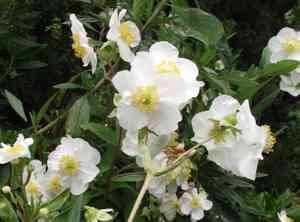
A key characteristic of Tree anemone is its capacity to integrate into diverse garden aesthetics, from classic to modern. This adaptability means it fits well whether you have a formal garden with neat hedges or a relaxed, cottage-style garden featuring winding paths and mixed borders. Its elegant white blooms and evergreen foliage beautifully complement various plant types and garden structures. Thus, if you seek a plant that seamlessly blends with your current design, Tree anemone is an excellent option.
Year-Round Appeal and Beauty
Tree anemone is a captivating plant that provides continuous visual interest in your garden throughout the year. In spring and early summer, its striking white flowers become a prominent focal point. As seasons change, its robust, dark green leaves ensure your garden remains vibrant and attractive, even in colder months. The consistent beauty of Tree anemone makes it a dependable choice for gardeners aiming to maintain an appealing landscape regardless of the season.
Effortless Upkeep Benefits
For those with limited time or desire for intensive garden care, Tree anemone offers an ideal solution. This plant is known for its minimal maintenance requirements, flourishing with little intervention. Once established, Tree anemone is drought-resistant and generally pest-free, reducing the need for constant irrigation and pest control. Its resilience and hardiness make it a great choice for both new gardeners and those with busy lives, providing beauty without the burden of constant upkeep.
Integrating Tree Anemone into Your Landscape Design
Selecting the Optimal Spot
Choosing the perfect location for Tree anemone in your garden is vital for its best growth and visual impact. Tree anemone thrives in sunny to partially shaded areas, allowing it to flourish in various garden zones. It's crucial to ensure the chosen spot has well-draining soil to prevent waterlogging. Placing Tree anemone where it receives morning sun and afternoon shade can offer an ideal balance, promoting abundant blooms while protecting it from intense midday heat. This will maximize its beauty and longevity in your garden.
Companion Plants for Tree Anemone
To enhance Tree anemone's beauty, consider pairing it with complementary plants that highlight its features. Perennials like lavender and salvia offer a lovely contrast with their purple flowers, while ornamental grasses can add textural diversity. Additionally, incorporating shrubs such as rosemary or sage can create a harmonious mix of colors and scents. By carefully selecting companion plants, you can create a cohesive and visually stunning garden that showcases Tree anemone as the main attraction.
Design Concepts: Edges, Focal Points, and Groupings
Tree anemone is incredibly adaptable for garden placement. Use it to define borders, where its flowers can create a striking edge around your garden beds. Alternatively, plant Tree anemone as a central focal point where its blossoms can draw attention and serve as a visual anchor. For a more natural look, consider planting Tree anemone in clusters among other shrubs and flowering plants, mimicking its native habitat. This approach can create a lush, layered appearance that enhances the overall landscape design.
Ideal Conditions for Tree Anemone Growth
Light Requirements
Understanding Tree anemone's light needs is essential for its healthy development. This plant thrives best in full sun to partial shade, meaning it requires at least 6 hours of direct sunlight daily. In hotter climates, some afternoon shade can shield it from excessive heat and sunburn. Ensuring Tree anemone receives the correct amount of light will encourage vigorous blooming and overall plant vitality.
Soil Preferences
Tree anemone prefers well-draining soil that prevents water from accumulating around its roots, which can lead to root rot. Sandy or loamy soils are ideal, but if your garden has clay soil, amending it with organic matter like compost can improve drainage. Regularly checking the soil's pH level and maintaining it at a slightly acidic to neutral range (pH 6.0-7.0) will also help Tree anemone flourish.
Watering Needs
While Tree anemone is drought-tolerant once established, it requires consistent watering during its initial growth phase to develop a strong root system. Water deeply but infrequently, allowing the soil to dry out between waterings. Overwatering can be harmful, so finding a balance is crucial. Mulching around the base of Tree anemone can help retain soil moisture and regulate temperature, reducing the need for frequent watering during warm weather.



