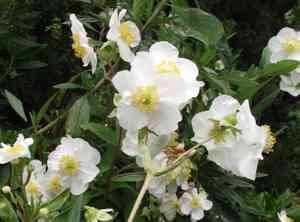
Tree anemone (Carpenteria californica)
Also known as: Bush anemone
Tree anemone (Carpenteria californica) is a rare flowering plant native to the Sierra Nevada foothills in California. Although it hasn't naturally spread widely, it is used ornamentally in various parts of the world. The first recorded instance of its cultivation outside its native habitat was in England in 1875.
In This Article
Attributes of Tree anemone
Lifespan
Perennial
Plant Type
Shrub
Plant Height
1 m to 3 m
Spread
3.5 m
Leaf Color
Green
Flower Size
3 cm to 7 cm
Flower Color
White
Images of Tree anemone
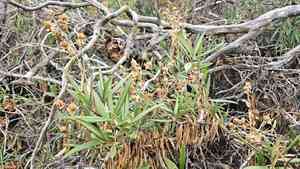
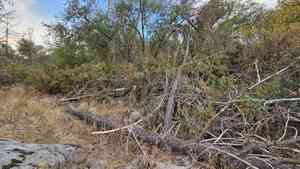

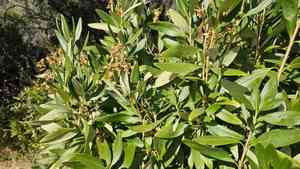
Quickly Identify Tree anemone
1
Vertically inclined gray stems with yellowish-tan peeling bark.
2
Narrow lanceolate dark green leaves, 4-5 inches (10-12.5 cm) long, white-hairy underneath.
3
Fragrant white flowers with bright yellow stamens, each 3 inches (7.5 cm) wide.
4
Evergreen shrub reaching 6-8 feet (1.8-2.4 meters) tall, spreading 3-5 feet (0.9-1.5 meters) wide.
5
Flowers bloom at branch tips in late spring to early summer.
Scientific Classification of Tree anemone
Phylum
Vascular plants
Class
Dicotyledons
Order
Cornales
Family
Hydrangea
Genus
Tree Anemone
Species
Tree anemone
Planting and Growing of Tree anemone
Care Difficulty
Moderate
Watering Schedule
Every 3 days
Sunlight Requirements
Full sun
Sunshine Duration
4-10 hours
Ideal Temperature
55-75℉
Soil Type
Potting Mix, Peat Mix
Soil pH
6.5-7.5
Fertilizer Type
Balanced
Pruning Season
Spring, Summer
Pruning Area
Branches, Leaves
Pruning Frequency
2 times a year
Repotting Season
Spring
Pot Type
Plastic, Ceramic
 How to Water Tree anemone?
The Carpenteria californica needs deep watering, ensuring the water reaches the root zone. Apply approximately 500 ml each time, letting the soil dry slightly between waterings. This prevents root rot while providing adequate moisture.
What are the symptoms of an underwatered Tree anemone?
›
What should I do if my Tree anemone is not getting enough water?
›
What are the symptoms of an overwatered Tree anemone?
›
How to save an overwatered Tree anemone?
›
 What Are the Sunlight Requirements for Tree anemone?
Preferring full to partial sun, Carpenteria californica benefits from 6 to 8 hours of sunlight daily. This range supports energetic flowering and lush leaf development, crucial for its ornamental appeal and ecological fitness.
More About Sunlight Requirements Techniques→
What is the best lighting condition for Carpenteria californica?
›
How can I achieve the ideal lighting condition?
›
What benefits does ideal light offer Carpenteria californica?
›
 What Is the Ideal Temperature Range for Tree anemone?
The ideal temperature range for Carpenteria californica is between 55°F and 75°F. This temperature range supports optimal growth, ensuring healthy foliage and robust flowering. Within this range, the plant can efficiently perform photosynthesis, maintain its metabolic processes, and resist pest infestations. It is crucial to provide consistent temperatures within this range to facilitate the best growth conditions.
 What Soil is Best for Tree anemone?
Carpenteria californica thrives in well-drained soil which prevents water from stagnating around the roots and reduces the risk of root rot. The drainage allows oxygen to reach the roots more efficiently, promoting healthy plant growth and vitality. While not overly demanding, Carpenteria californica benefits from moderate nutrient levels in the soil. Soils with balanced fertility provide essential nutrients that support vigorous growth and flowering, ensuring the plant remains attractive throughout its growing season. Incorporating organic matter such as compost into the soil helps retain moisture and improve its overall structure. Organic matter facilitates beneficial microbial activity which enhances nutrient availability, fortifying Carpenteria californica against diseases and pests.
 How to Fertilize Tree anemone?
For Carpenteria californica, use a balanced fertilizer at half-strength to prevent over-fertilization. With liquid fertilizer, dilute as per instructions and apply no more than 1 gallon per mature bush. Solid fertilizers should be used sparingly, approximately 1 cup per mature plant, to avoid nutrient burn.
 How to Prune Tree anemone?
Focus on removing any dead or damaged branches first. Next, thin out any excessively dense areas to improve air circulation. Aim to maintain an open structure, encouraging light penetration to all parts of the plant. Remove any suckers or shoots appearing at the base of the plant to control its size. Trim back branches by a third to encourage a more compact growth habit, which results in a fuller appearance as it grows. After pruning, apply a balanced fertilizer to support new growth. Water thoroughly following pruning to help the plant recover and promote the growth of healthy, strong branches.
More About Pruning Techniques→
 How to Propagate Tree anemone plant?
1
Seed collection should be done when seed pods have matured but before they split open. Gather seeds and allow them to fully dry in a shaded area. This ensures the seeds remain viable for successful germination.
2
Select healthy and semi-hardwood stems for cuttings. Cuttings should be approximately 4-6 inches long, with the lower leaves removed. This promotes root development by exposing the stem base and reducing transpiration.
3
For division, carefully dig up the plant and separate the root clumps. Each divided section should have several shoots and a good portion of roots to promote successful re-establishment when replanted.
 How to Repot Tree anemone plant?
1
Carpenteria californica should be repotted when roots start to emerge from the drainage holes, indicating it's outgrown its current container. Spring and early summer are the ideal times as the plant is actively growing, allowing it to recover quickly. Additionally, if the plant seems weak despite adequate care, it may be seeking more room to expand its roots.
2
Select a pot slightly larger than the current one, ensuring proper drainage. A porous material like terracotta is preferred, which allows excess moisture to evaporate, thus avoiding root rot. The new pot should have adequate room for the roots to expand without being overly spacious, which can lead to waterlogging.
3
Opt for well-draining sandy loam soil, which mimics the plant's natural habitat. This soil type allows for adequate drainage while still retaining sufficient moisture, reducing the risk of fungal diseases. Adding some organic matter like compost can provide essential nutrients and enhance soil fertility.



