How Much Sunlight Do Surinamese Stickpea Need?
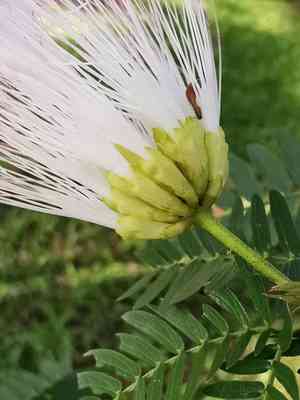
1
Surinamese Stickpea flourishes with at least six hours of unfiltered sun exposure.
2
Insufficient light may result in thin leaves and limited blooms.
3
Employing a light meter assists in precisely gauging solar intensity.
Ideal Light Conditions for Surinamese Stickpea
Full Sun vs. Partial Shade
Surinamese Stickpea is adaptable to various light levels. It flourishes best in full sun, meaning over six hours of direct sunlight daily. In areas with intense sun, it can endure partial shade, particularly during peak heat. Partial shade implies a mix of direct and filtered light.
Optimal Orientation for Light Exposure
Orientation is vital for ensuring your Surinamese Stickpea receives adequate sunlight. Outdoors, a south-facing spot is typically ideal, allowing ample light absorption throughout the day. For indoor plants, a bright, south-facing window is excellent. In locations with strong afternoon sun, an east-facing position receiving morning light can be advantageous.
Measuring and Modifying Sunlight for Surinamese Stickpea
Utilizing a Light Meter
A light meter offers a practical method to gauge the sunlight your Surinamese Stickpea receives. These devices provide precise light intensity measurements. To use, place the meter where the plant will grow and check readings at different times. Aim for readings indicating at least six hours of direct sunlight for optimal growth.
Observing and Adapting Based on Plant Cues
Beyond tools, observing the plant offers valuable insights into its light requirements. Yellowing or scorched leaves may signal too much sun. Conversely, leggy growth with sparse, dull leaves likely indicates insufficient light. Adjust its placement accordingly – move to a brighter spot or provide more shade as needed.
Impact of Improper Sunlight Exposure on Surinamese Stickpea
Indicators of Excessive Sunlight
While Surinamese Stickpea enjoys sun, too much can be detrimental. Signs of overexposure include scorched or crispy leaves, wilting despite regular watering, and a bleached appearance. If these symptoms appear, relocate the plant to an area with filtered light during the day's hottest period.
Indicators of Insufficient Sunlight
Inadequate light is as harmful as excessive light. Low light can cause issues like leggy growth (long, weak stems), reduced flowering, and pale or yellowing leaves. If your Surinamese Stickpea exhibits these signs, move it to a sunnier location or use grow lights to supplement natural light.
Seasonal Light Considerations for Surinamese Stickpea
Seasonal Light Requirements
Surinamese Stickpea's light needs vary seasonally. In summer, it often requires protection from intense afternoon sun, so partial shading can be beneficial. In winter, especially in regions with shorter days, ensure it gets maximum light. South-facing windows or artificial grow lights can help meet its light demands during darker months.
Year-Round Position Adjustment
Adjusting your plant's location throughout the year ensures proper light exposure. In summer, moving it to a slightly shaded area can prevent sunburn. In winter, shifting it closer to a bright window can compensate for reduced daylight. Regular rotation of indoor plants promotes even growth by exposing all sides to light.
Common Sunlight Misconceptions for Surinamese Stickpea
Myth: More Sunlight is Always Beneficial
A frequent misunderstanding is that increased sunlight invariably helps plants. However, excessive sunlight can actually harm Surinamese Stickpea. It's crucial to balance providing enough light for growth without overdoing it, which can lead to sunburn and stress.
Myth: Indoor Surinamese Stickpea Requires Direct Sunlight
Another myth is that indoor Surinamese Stickpea needs direct sunlight. While they do need bright conditions, direct indoor sun can sometimes be too harsh. Providing bright, indirect light is often a superior solution for indoor environments.



