Enhancing Your Garden Design with the Surinamese Stickpea Plant: A Landscaping Guide
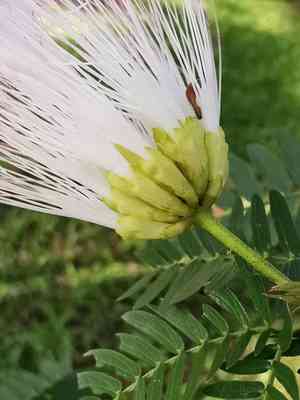
1
Surinamese Stickpea thrives in soil that drains effectively and benefits from partial sun exposure.
2
Consistent trimming of Surinamese Stickpea promotes stronger leaves and more vivid flowers.
3
Integrating Surinamese Stickpea alongside suitable companion plants can boost your garden's visual charm.
Appreciating the Visual Charm of Surinamese Stickpea
The Color Scheme: Bright Flowers and Green Leaves
The primary feature that draws attention to Surinamese Stickpea is its striking color array. Its vibrant blossoms provide a burst of color against the green foliage, making it a prominent element in any garden. The flowers are not only beautiful but also attract pollinators like bees and butterflies, bringing vitality and movement to your landscape. These blooms can offer a continuous display throughout their flowering period, establishing Surinamese Stickpea as a dependable source of color for several months.
Seasonal Transformations and Their Visual Impact
A captivating aspect of Surinamese Stickpea is its seasonal evolution. During spring and summer, the vivid flowers are dominant, while in autumn and winter, the structured foliage takes precedence. This seasonal shift ensures that Surinamese Stickpea remains visually appealing throughout the year. By designing your garden to leverage these changes, you can create a dynamic and ever-changing landscape that offers something new with each season.
Structural Attributes: Height and Width
Understanding the structural characteristics of Surinamese Stickpea is vital for its integration into your landscape design. Typically, Surinamese Stickpea can achieve a moderate height and spread, making it suitable for various garden spaces, from small urban plots to larger rural areas. Knowing these dimensions aids in planning the layout, ensuring that Surinamese Stickpea blends well with other garden elements without causing congestion or overshadowing other plants. Furthermore, the plant's structure adds layers of depth and interest to your garden, enriching its visual appeal.
Selecting the Optimal Spot for Surinamese Stickpea in Your Garden
Assessing Sunlight Requirements
Like most plants, Surinamese Stickpea has specific sunlight needs that must be met for it to flourish. It generally prefers partial shade to partial sun, meaning it should be placed in an area that receives a balance of both. Too much direct sunlight can scorch its leaves, while too little can result in poor flowering. Observing the sunlight patterns in your garden will help you choose the ideal location for Surinamese Stickpea.
Soil Needs: Makeup and Drainage
Surinamese Stickpea thrives best in well-drained soil. The soil composition should allow sufficient drainage to prevent waterlogging, which can lead to root rot. Incorporating organic matter like compost can improve soil quality, providing essential nutrients and enhancing drainage. Testing your garden soil beforehand can give you a better understanding of its suitability and allow you to make necessary adjustments.
Space Considerations: Preventing Overcrowding
Proper spacing is crucial when planting Surinamese Stickpea. Given its potential spread, it's important to provide ample room to prevent overcrowding, which can lead to poor air circulation and increased vulnerability to pests and diseases. Consider the mature size of Surinamese Stickpea and plan your planting area accordingly. This thoughtful spacing ensures that Surinamese Stickpea has enough room to grow and display its full beauty.
Integrating Surinamese Stickpea with Other Plants
Complementary Plant Selections
To enhance the visual appeal of Surinamese Stickpea, pair it with plants that complement its color and texture. Plants with contrasting foliage colors or textures can create striking combinations. For example, placing Surinamese Stickpea near plants with darker foliage or different leaf shapes can highlight its vivid blooms. This careful selection of companion plants not only enhances the beauty of Surinamese Stickpea but also creates a more harmonious and cohesive look in your garden.
Design Concepts: Tropical vs. Formal Gardens
Surinamese Stickpea can fit into various garden design themes, from tropical to formal. In a tropical garden, it complements other exotic plants, contributing to a lush, vibrant appearance. In a formal garden, its structured growth can be utilized to add elegance and order. Understanding the design theme of your garden helps in positioning Surinamese Stickpea in a way that enhances the overall aesthetic. Matching the plant to the theme ensures that it doesnât look out of place but rather adds to the intended look.
Layering Techniques for Depth and Visual Interest
Layering is a design technique that adds depth and interest to any garden. By positioning Surinamese Stickpea at different levels within your garden's layout, you can create a sense of fullness and dimension. For instance, placing taller plants behind Surinamese Stickpea and shorter ones in front can create a tiered effect that is pleasing to the eye. This technique enhances the visual appeal and makes your garden look more sophisticated and well-planned.
Maintenance Advice for a Flourishing Surinamese Stickpea
Pruning Strategies: Timing and Method
Regular pruning is vital for maintaining the health and appearance of Surinamese Stickpea. The optimal time to prune is immediately after the blooming season when you can remove spent flowers and shape the plant. This practice not only encourages new growth but also helps maintain a tidy appearance. It's important to use sharp, clean tools to make precise cuts and avoid damaging the plant.
Nutrient Requirements: Fertilization and Mulching
Surinamese Stickpea benefits from proper fertilization and mulching. Applying a balanced, slow-release fertilizer during the growing season can provide the necessary nutrients for vibrant blooms and healthy foliage. Mulching around the base of the plant helps retain moisture and regulate soil temperature, which is beneficial for overall growth. Regularly check the nutrient levels in your soil and adjust your fertilization schedule as needed.
Watering Techniques: Ensuring Sufficient Moisture
Proper watering is essential for the growth of Surinamese Stickpea. While it prefers well-drained soil, it also needs consistent moisture. The key is to keep the soil slightly moist without being waterlogged. Watering deeply but less frequently encourages a strong root system. During dry spells or hot weather, more frequent watering may be necessary to keep the plant healthy.



