How to Propagate Surinamese Stickpea?
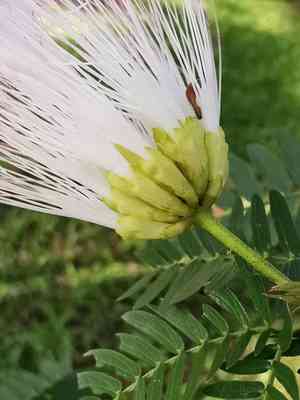
Hailing from the Mimosoideae sub-family, surinamese Stickpea is a lively flowering bush characterized by abundant leaves and pink, spherical blooms. Effective propagation is achievable via cuttings, with semi-hardened stems being optimal choices. Confirm that cuttings retain several leaves for light conversion and immerse the cut end in rooting compound to stimulate root formation. Supply a growing medium that drains efficiently and sustain steady dampness, avoiding excessive saturation. A warm, moist atmosphere will facilitate the establishment of roots for surinamese Stickpea.
Optimal Time for Surinamese Stickpea Propagation
Propagation Method
Cutting
Propagation Period
Spring,Summer
Tools for Surinamese Stickpea Propagation
Sharp Pruning Shears
These are vital for making precise cuts on surinamese Stickpea during the cutting process. Sharp blades minimize damage to plant tissues, which is crucial for successful healing and rooting. Clean cuts help prevent infections and improve the overall health and viability of the propagates.
Rooting Hormone
This substance significantly boosts root development in surinamese Stickpea cuttings. Applying rooting hormone to the cut end of the cutting speeds up root growth and increases propagation success. This is especially helpful for hardwood cuttings of surinamese Stickpea, which might otherwise take longer to root.
Sterile Potting Mix
Using a sterile potting mix ensures that surinamese Stickpea's cuttings are free from disease-causing pathogens during the rooting phase. A well-draining, nutrient-rich mix supports new root development without excessive moisture, which could lead to rot.
Humidity Dome
This tool maintains high humidity around surinamese Stickpea's cuttings, preventing moisture loss through leaves. A controlled environment with a humidity dome is crucial for cuttings that haven't rooted yet and are susceptible to drying out.
Heat Mat
A heat mat encourages faster root growth by maintaining an ideal temperature in the rooting medium. This is particularly important for surinamese Stickpea, as consistent, gentle warmth can significantly improve rooting success and overall growth during initial propagation.
Label and Marker
Labels are essential for recording cutting details, such as propagation date and applied treatments (e.g., rooting hormone type). Tracking this information helps assess different propagation methods for surinamese Stickpea and ensures proper care throughout the growing process.
How to Propagate Surinamese Stickpea?
Propagation Type
Moderately Difficult
Caring for Your Newly Propagated Surinamese Stickpea
Caring for Your Newly Propagated Surinamese Stickpea
Once rooted and growing, gradually acclimate surinamese Stickpea to less humid conditions by removing the plastic covering. Water regularly to keep the soil moist, and provide partial sun exposure for healthy growth. Fertilize lightly every 4-6 weeks with a balanced liquid fertilizer during the growing season. As surinamese Stickpea matures, prune periodically to encourage bushy growth and maintain desired shape.
Common Mistakes to Avoid When Propagating Surinamese Stickpea
Overwatering
Excessive watering can lead to root rot, a common issue where surinamese Stickpea roots become saturated, hindering oxygen absorption and causing decay.
Underestimating light requirements
Insufficient light can result in weak growth and impaired root development, as surinamese Stickpea needs ample light for proper growth.
Cutting improper stem sections
Using non-viable or diseased stem cuttings for propagation can prevent rooting. It's crucial to select healthy, mature stems from surinamese Stickpea for successful propagation.
Ignoring soil composition
Using incorrect soil mixtures can impact drainage and nutrient availability, which are vital for the root establishment of surinamese Stickpea.
Overlooking humidity levels
Ignoring the importance of humidity, especially during the initial rooting phase, can cause surinamese Stickpea cuttings to dry out and fail to root.
Tips For Propagating Surinamese Stickpea
Correct cutting technique
Using a sharp, sterilized tool to make a clean cut just below a node ensures the best chance for rooting and prevents disease transmission in surinamese Stickpea.
Ideal stem selection
Choose semi-hardwood stem cuttings from the current or previous year's growth that are disease-free and have several nodes for optimal rooting potential in surinamese Stickpea.
Adequate light conditions
Provide bright, indirect light for the cuttings of surinamese Stickpea to encourage healthy growth without the risk of leaf scorch.
Appropriate soil mix
Use a well-draining soil mix, such as one part peat to one part perlite or sand, to promote good root growth and proper aeration for surinamese Stickpea.
Maintain humidity
Maintain a high humidity environment for cuttings of surinamese Stickpea, such as by placing a plastic bag over them, but ensure to ventilate periodically to prevent fungal growth.



