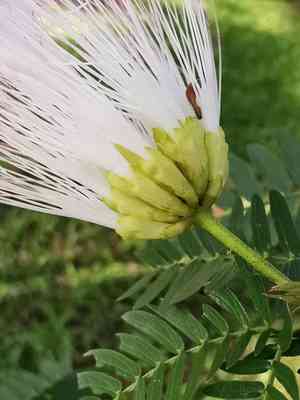
Surinamese Stickpea (Calliandra surinamensis)
Also known as: Surinam Powderpuff, Pink Tassel-flower
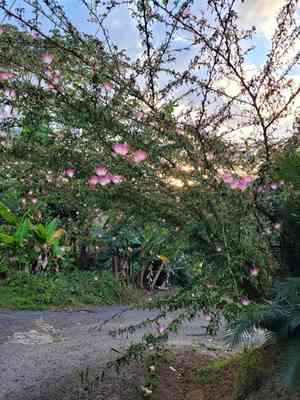
The Pink Powder Puff, scientifically called Calliandra surinamensis, is a flowering plant native to northern South America. Its pollen is known to attract lorikeets and fruit bats.
In This Article
Attributes of Surinamese Stickpea
Lifespan
Perennial
Plant Type
Shrub
Plant Height
3.5 m to 4.5 m
Spread
3 m to 4.5 m
Leaf Color
Green
Flower Size
5 cm to 8 cm
Flower Color
White Pink
Images of Surinamese Stickpea
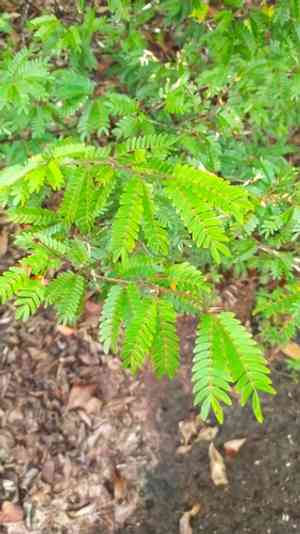
Quickly Identify Surinamese Stickpea
1
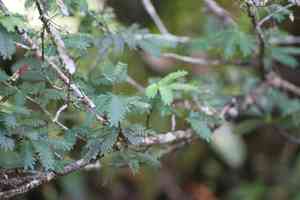
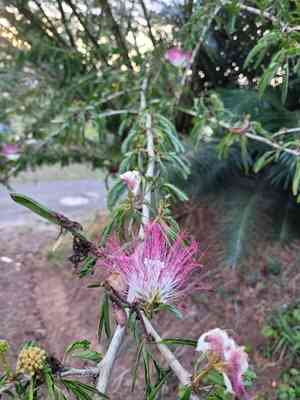
Identifying Calliandra surinamensis involves looking for its distinctive powderpuff-like flowers, which are composed of numerous long stamens. The tree has bipinnate leaves, meaning each leaf is made up of smaller leaflets arranged in pairs.
Scientific Classification of Surinamese Stickpea
Phylum
Vascular plants
Class
Dicotyledons
Order
Fabales
Family
Legume
Genus
Powder puff plant
Species
Surinamese Stickpea
Planting and Growing of Surinamese Stickpea
Care Difficulty
Easy
Watering Schedule
Every 3 days
Sunlight Requirements
Partial sun
Sunshine Duration
6-10 hours
Ideal Temperature
65-80℉
Soil Type
Potting Mix, Peat Mix
Soil pH
6.5-7.5
Fertilizer Type
Balanced
Pruning Season
Spring, Summer
Pruning Area
Branches, Leaves
Pruning Frequency
2 times a year
Repotting Season
Spring
Pot Type
Plastic, Ceramic
 How to Water Surinamese Stickpea?
Calliandra surinamensis requires water that penetrates down to the root zone, ensuring proper hydration without waterlogging. Approximately 500ml per watering should be sufficient for a healthy plant environment. Ensure the soil is evenly moist but not drenched to prevent root issues.
What are the symptoms of an underwatered Surinamese Stickpea?
›
What should I do if my Surinamese Stickpea is not getting enough water?
›
What are the symptoms of an overwatered Surinamese Stickpea?
›
How to save an overwatered Surinamese Stickpea?
›
 What Are the Sunlight Requirements for Surinamese Stickpea?
Partial sun ensures Calliandra surinamensis flourishes with vibrant blooms and steady growth, benefiting from moderate sunlight exposure.
More About Sunlight Requirements Techniques→
What light conditions are ideal for Calliandra surinamensis?
›
How do I ensure my Calliandra surinamensis receives its perfect lighting?
›
What benefits does ideal lighting provide to Calliandra surinamensis?
›
 What Is the Ideal Temperature Range for Surinamese Stickpea?
For optimal growth of Calliandra surinamensis, maintaining a consistent temperature range between 65°F and 80°F is essential. This temperature range allows the plant to effectively carry out photosynthesis, ensuring robust growth and vibrant blooms. Deviations from this ideal range can stress the plant, potentially reducing its overall health and lifespan.
 What Soil is Best for Surinamese Stickpea?
Calliandra surinamensis thrives in well-drained soils where excess water can quickly move away from the roots. Good drainage prevents root rot and waterlogged conditions, allowing for healthy growth and vibrantly blooming flowers. This plant flourishes in soils rich in organic matter, which provides necessary nutrients for growth. A nutrient-rich environment supports lush foliage and boosts its overall health, leading to more frequent flowering cycles. While good drainage is essential, the soil should also retain some moisture to support the plant during dry periods. Moisture-retaining soils ensure the plant doesn't dry out too quickly, promoting consistent growth and resilience.
 How to Fertilize Surinamese Stickpea?
Calliandra surinamensis prefers a balanced approach to fertilization. When using liquid fertilizers, aim for a dilution at half-strength to avoid over-fertilizing. Use approximately 1 tablespoon per gallon of water. For slow-release granules, a light layer of about 1-2 tablespoons per square foot can suffice, but ensure even distribution around the base.
 How to Prune Surinamese Stickpea?
Always ensure your pruning tools are clean and sharp to prevent the spread of diseases and to make precise cuts. Sterilize your tools with rubbing alcohol before and after pruning to maintain plant health.
More About Pruning Techniques→
 How to Propagate Surinamese Stickpea plant?
1
Soak the seeds of Calliandra surinamensis in warm water for 24 hours before planting. This process helps to soften the seed coat, encouraging faster germination and more uniform sprouting.
2
Select a healthy, non-flowering stem from the plant and cut a 4-6 inch section using sterilized pruning shears. Ensure the cut is just below a node, which will encourage rooting.
3
For cuttings, dip the cut end in rooting hormone. Plant it in a pot filled with a mix of peat moss and perlite. Keep the soil consistently moist but not waterlogged to enhance root formation.
 How to Repot Surinamese Stickpea plant?
1
Calliandra surinamensis should be repotted when it shows signs of root-bound conditions, such as roots emerging from drainage holes or decreased vigor. Another good time is when it outgrows its pot, which often happens during active growth seasons. Repot before the growth gets too burdensome.
2
Select a pot that is a couple of inches larger in diameter than the current one. It should have ample drainage holes to prevent waterlogging. A slightly larger pot will provide room for growth without promoting excessive water retention, ensuring healthy root development.
3
Choose a well-draining loamy soil mix rich in organic matter. This ensures good aeration while providing necessary nutrients. A mix with perlite or sand aids drainage, preventing root rot in the Calliandra surinamensis by discouraging waterlogging.



