How to Prune Surinamese Stickpea?
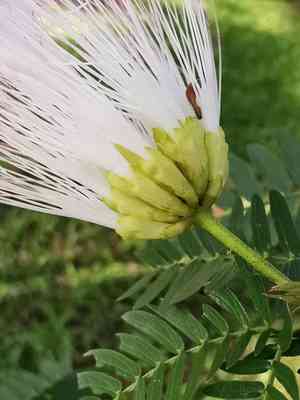
This exotic bush is recognized for its vibrant, spherical blossoms. For surinamese Stickpea, trimming ought to occur in late spring or early summer, following the blooming period, to preserve its form and foster a more compact appearance. Consistent snipping of the branch ends encourages thicker foliage. Eliminating aged branches boosts vitality and improves light exposure. Any elongated or compromised limbs ought to be excised to uphold visual appeal and the plant's well-being. Pruning additionally stimulates fresh development, resulting in a greater abundance of flowers in the following cycle.
Advantages of Trimming Surinamese Stickpea
Advantages of Trimming Surinamese Stickpea
Trimming surinamese Stickpea promotes abundant flowering by diverting energy towards blossom production and reduces pest and disease incidence by eliminating infected or vulnerable areas, thereby maintaining a robust and attractive specimen.
Optimal Time for Trimming Surinamese Stickpea
Optimal Time for Trimming Surinamese Stickpea
Trimming or shaping surinamese Stickpea in late spring and early summer is beneficial as it coincides with the start of the plant's active growth phase. By trimming in late spring, gardeners remove any branches that died or were damaged over winter, allowing the plant to focus its energy on new development. Early summer trimming is timed to avoid affecting surinamese Stickpea's late summer flowering period, ensuring the plant's appearance and vitality are preserved. Trimming during these seasons aids in shaping the plant, enhancing air circulation, and lowering the risk of disease. It also minimizes the chance of pruning shock, as surinamese Stickpea recovers quickly during its rapid growth stage.
Required Tools for Trimming Surinamese Stickpea
Hand Pruners
Perfect for making precise cuts on surinamese Stickpea's thinner stems, hand pruners should be sharp and well-kept to ensure healthy trimming.
Lopping Shears
These are suitable for branches too thick for hand pruners. Lopping shears offer leverage and are appropriate for surinamese Stickpea's occasionally thicker branches.
Pruning Saw
For surinamese Stickpea's thickest branches, a pruning saw allows for clean cuts without harming the plant's structure.
Hedge Shears
Surinamese Stickpea may benefit from hedge shears for shaping if maintained as a hedge, as they allow for uniform trimming of larger areas.
Pruning Gloves
To safeguard the gardener's hands from thorns and rough branches while trimming surinamese Stickpea.
Disinfectant
Used for sanitizing tools before and after trimming surinamese Stickpea to prevent the spread of pathogens.
How to Trim Surinamese Stickpea
Sanitize Tools
Before trimming surinamese Stickpea, clean and disinfect all pruning tools to prevent disease transmission. Use a solution of 1 part bleach to 9 parts water or rubbing alcohol to sterilize the blades.
Remove Diseased And Dead Material
Carefully remove any diseased leaves and branches from surinamese Stickpea, ensuring clean cuts to prevent further harm. Trim any dead branches and withered leaves to encourage healthy growth and improve air flow.
Thin Excessive Growth
Reduce overly dense branches to maintain surinamese Stickpea's desired shape and size, and to improve light penetration and air circulation within the canopy.
Deadhead Withered Flowers
Remove spent flowers from surinamese Stickpea to encourage more blooming and redirect the plant's energy to new growth and flower production.
Clean Up
After trimming surinamese Stickpea, gather and dispose of all pruning debris to lessen the risk of pests and diseases. Clean and disinfect tools again after use.
Common Trimming Errors with Surinamese Stickpea
Over-Trimming
Removing too much of surinamese Stickpea's foliage can shock the plant, potentially leading to reduced flowering and a weaker structure.
Cutting At Wrong Angle
Making cuts that are too flat can hinder water runoff and may promote disease. Conversely, too steep an angle can also impair the plant's recovery ability.
Using Dull Tools
Blunt pruning shears can cause ragged cuts, harming surinamese Stickpea and making it more vulnerable to diseases.
Trimming Too Frequently
Excessive trimming can stress surinamese Stickpea, resulting in sparse foliage and diminished health over time.
Tearing Branches
Pulling or ripping branches instead of making clean cuts can damage surinamese Stickpea's structure and create open wounds susceptible to infections.
Trimming Too Close
Cutting too close to the main stem or leaving too long a stub could both cause surinamese Stickpea to have improper wound closure and potential for disease entry.
General Trimming Advice for Surinamese Stickpea
Sharp Tools
Utilize sharp, clean shears or loppers to make precise cuts, preventing unnecessary damage to surinamese Stickpea.
Clean Cuts
Make clean cuts at a 45-degree angle approximately 1/4 inch above bud sites to promote healthy re-growth.
Selective Thinning
Selectively thin out crowded branches to enhance air circulation and sunlight penetration crucial for surinamese Stickpea's development.
Structural Shaping
Focus on preserving surinamese Stickpea's natural form while trimming for aesthetics and plant health, avoiding overly aggressive shaping that might impede its growth.
Removal Of Dead Material
Regularly remove dead or diseased branches to keep surinamese Stickpea healthy and to encourage more vigorous growth and flowering.
Encourage Flowering
Lightly trim surinamese Stickpea after the blooming season to encourage new flowers for the next season, being careful not to remove developing buds.



