How Much Sunlight Do Fly poison Need?
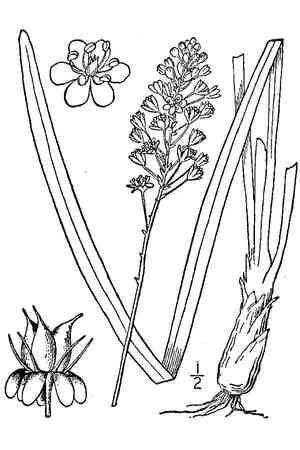
1
Fly poison flourishes in filtered light, needing approximately 3-6 hours of daily sun exposure.
2
Excessive direct sun can burn Fly poison's foliage, resulting in harm.
3
Inadequate light can cause Fly poison to develop spindly, elongated stems and reduced blooms.
Grasping Fly poison's Light Requirements
Ideal Light Conditions
For healthy Fly poison growth, understanding its specific light needs is vital. This plant thrives in partial sun, needing about 3-6 hours of daily sunlight. Morning or late afternoon sun is best, as it's less intense than midday light. This promotes optimal development while preventing sun damage. A location with filtered light, such as under trees or a trellis, is perfect.
Indicators of Excessive Sun
While Fly poison enjoys some sun, too much can be harmful. If leaves turn brown or crispy, it likely indicates too much direct sunlight. This sun damage means the plant needs relief from harsh rays. Moving it to a shadier spot or providing midday shade can prevent further harm.
Indicators of Insufficient Light
Conversely, if Fly poison doesn't get enough light, it may show signs of distress. You might observe leggy growth, where stems become elongated and weak. Additionally, the plant may produce fewer or no blooms, appearing generally unhealthy and struggling. Relocating it to a brighter spot or pruning obstructing plants can help.
Modifying Fly poison's Light Exposure
Placing Fly poison in Your Garden
A key way to ensure Fly poison gets proper light is careful garden placement. Choose a spot with gentle morning light, shielded from intense afternoon sun. Areas with dappled sunlight through tree leaves are ideal. Avoid locations with full, all-day shade or constant, direct sun.
Adjusting Light Exposure Seasonally
Sunlight patterns shift with seasons, impacting Fly poison's light intake. In spring and summer, leafy trees offer natural shade. However, in autumn and winter, with less foliage, you might need to move Fly poison or add shade to protect it from too much or too little light. Be aware of these seasonal changes and adapt accordingly.
Utilizing Shade Cloths and Other Aids
If natural adjustments aren't enough, consider shade cloths to manage light exposure. These cloths come in various densities, allowing you to filter sunlight without total blockage. They are especially useful during peak summer, safeguarding against sunburn. Garden umbrellas, pergolas, or temporary relocation to a shadier spot can also help manage extreme conditions.
Common Questions About Fly poison's Light Needs
Can Fly poison Grow in Complete Shade?
Fly poison prefers partial sun; while it can endure some full shade, it may not flourish. Growth would be slower, and flowering could be significantly reduced. If only a shady spot is available, ensure it receives bright indirect light, not a dark, secluded area.
Can Fly poison Withstand Direct Sun?
While Fly poison can tolerate some direct sunlight, prolonged exposure can be detrimental. The plant is best suited for environments with a few hours of indirect or dappled sunlight. Extended direct exposure, especially during peak hours, can cause leaf scorching and stunted growth.
How to Safeguard Fly poison During Harsh Weather?
During extreme weather, such as heatwaves or cold snaps, Fly poison needs extra care regarding light. In hot periods, ensure the plant gets more shade, possibly by using shade cloths or moving it to a cooler spot. During cold weather, reduced daylight isn't as critical since growth slows, but monitor overall light and adjust if needed.



