How to Propagate Fly poison?
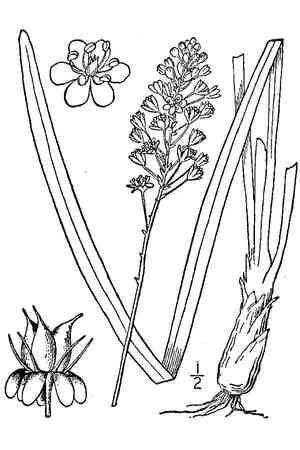
Fly poison, a perennial species, is most effectively multiplied through separation. For successful reproduction, cultivators ought to meticulously excavate the bulb cluster, delicately separate them, and then re-embed them at the correct depth in soil that drains efficiently. Guaranteeing proper soil contact and steady hydration will assist in the growth of new specimens. It is crucial to manage the bulbs with caution to avoid harm, as this could impair the plant's capacity to establish itself and flourish.
Optimal Time for Fly Poison Propagation
Propagation Method
Splitting
Propagation Period
Spring,Autumn
Tools for Fly Poison Propagation
Sharp, sanitized pruning shears or knife
These implements are vital for making clean cuts through the root system of fly poison during division, promoting quick healing and minimizing disease risk. A precise cut reduces root damage, boosting the plantâs ability to re-establish rapidly post-transplant.
Spade or digging fork
Used to gently lift the fly poison plant from the soil without excessive root disturbance. A spade or digging fork should be robust and sharp enough to penetrate the soil easily, ensuring the root ball is extracted with ample surrounding soil to protect delicate roots during division.
Garden gloves
Protects hands from potential skin irritants in the fly poison plant and assists in securely handling the plant without harming it or the propagator. Garden gloves also offer improved grip in damp or slick conditions.
Watering can or hose with a gentle spray setting
Following division, fly poison needs gentle watering to help settle the soil around the roots and remove air pockets. Sufficient watering immediately after planting is crucial for roots to recover and begin establishing in their new environment.
Propagating Fly Poison: A Guide
Propagation Type
Simple
Caring for Your Newly Propagated Fly Poison
Caring for Your Newly Propagated Fly Poison
Fly poison requires minimal upkeep once established, thriving in partially shaded areas with limited direct sunlight. Consistent watering during extended dry spells will support growth, but the soil should not become waterlogged. No specific fertilization is needed as fly poison prefers poorer soils. Monitor for pests, though fly poison generally experiences few serious pest issues.
Common Errors to Avoid When Propagating Fly Poison
Overwatering
Excessive moisture can cause root rot in fly poison, which prefers drier conditions for successful propagation.
Deep planting
Fly poison's bulbs should not be planted too deeply as this can impede sprouting. Shallow planting aligns with its natural growth habit.
Ignoring soil type
Using the incorrect soil type can hinder fly poison's root development. This species thrives in well-drained soils.
Crowding bulbs
Planting fly poison's bulbs too close together can restrict their growth due to competition for resources.
Neglecting cleanliness
Failing to sterilize tools or containers can introduce diseases to fly poison, which can be detrimental to its propagation efforts.
Tips for Propagating Fly Poison
Bulb separation
Carefully separate fly poison's bulbs without causing damage to ensure successful propagation.
Adequate spacing
Provide sufficient space between the bulbs when planting to ensure proper nutrient availability and prevent fungal issues.
Correct depth
Plant fly poison's bulbs at the appropriate depth, which is typically not very deep, to allow for proper sprouting and root development.
Soil condition
Ensure the use of well-draining soil to prevent waterlogging and facilitate healthy root growth in fly poison.
Moderate watering
Water fly poison moderately to maintain the balance of moisture needed for growth, avoiding both overwatering and underwatering.



