How to Prune Fly poison?
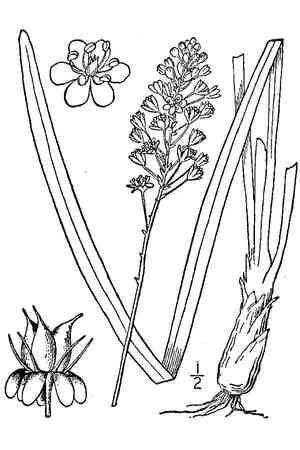
Originating from Eastern North America, this enduring herbaceous plant is distinguished by its upright floral stem and foundational leaves. Trimming fly poison entails excising faded flower stalks after their bloom period to foster leaf development and sustain the plant's robustness. This variety thrives with pruning conducted in early spring or late winter, prior to the emergence of new shoots. Any withered or compromised foliage ought to be severed at ground level. Pruning improves the plant's well-being by averting ailments and can stimulate an orderly growth pattern.
Advantages of Trimming Fly Poison
Advantages of Trimming Fly Poison
Trimming fly poison helps it keep a desirable shape and size, improving its appearance. Strategic cutting promotes strong new growth, leading to a more robust and healthier plant.
Optimal Time for Pruning Fly Poison
Optimal Time for Pruning Fly Poison
Late winter and early spring are ideal for pruning fly poison as this period typically marks the end of dormancy and precedes new growth. Pruning at this time allows gardeners to shape the plant and remove any dead or damaged tissue without disrupting active growth or flowering cycles. Since fly poison usually flowers from spring to summer, late winter pruning ensures cuts heal before the active growing season begins, minimizing plant stress. Additionally, the absence of leaves during dormancy provides better visibility of the plant's structure, enabling more precise cuts and healthier future development.
Necessary Tools for Pruning Fly Poison
Hand Pruners
For selective removal of dead or unwanted leaves and stems, sharp bypass hand pruners are perfect for fly poison, ensuring clean cuts that aid healthy plant recovery.
Pruning Snips
For more delicate tasks, such as thinning out leaf clusters or precise trimming of fly poison's foliage, small pruning snips offer the needed control.
Gloves
To safeguard your hands from potential irritation or injury when handling fly poison, sturdy gardening gloves are essential.
Disinfectant
Before and after pruning fly poison, a disinfectant should be applied to the pruning tools to prevent disease spread and ensure healthy growth.
How to Prune Fly Poison
Sanitize Tools
Before pruning fly poison, ensure all tools are clean and disinfected to prevent disease transmission. Use a solution of one part bleach to nine parts water to thoroughly clean the blades.
Identify Sections
Examine fly poison carefully to locate any diseased and withered leaves. These are typically discolored, spotted, or dried out compared to healthy, green foliage.
Remove Diseased Leaves
Carefully trim diseased leaves by cutting at their base where they meet the stem. Use clean, sharp shears, and avoid tearing to promote quick healing.
Remove Withered Leaves
For withered leaves, use the same method, cutting cleanly at the base. This helps fly poison redirect its energy to healthier parts.
Disposal
After trimming, promptly dispose of diseased and withered foliage in a way that prevents contaminating healthy plants. Do not compost these materials, as they may harbor pathogens.
Common Pruning Errors with Fly Poison
Excessive Pruning
Removing too much foliage from fly poison can impair its ability to photosynthesize and weaken its overall health. Avoid cutting more than a third of the plant at once.
Incorrect Pruning Method
Using dull or dirty tools can introduce pests and diseases to fly poison. Always use clean, sharp pruning shears for precise cuts.
Pruning Woody Stems
Since fly poison primarily has herbaceous growth, cutting into woody stems can cause unnecessary harm. Focus on dead or dying foliage and avoid old, woody sections.
Random Snipping
Random, unguided cuts can ruin the natural shape of fly poison and hinder its growth. Be deliberate with each cut to maintain a pleasing form and prevent stress.
Ignoring Health
Disregarding the plant's health and condition before pruning. Remove only the parts that are dead, diseased, or damaged, and consider the overall well-being of fly poison.
General Pruning Advice for Fly Poison
Tool Preparation
Prepare sanitized, sharp pruning shears before beginning. This ensures clean cuts that minimize the risk of infection to fly poison.
Visibility
Clear away any surrounding debris and foliage to get a better view of the plant structure. This will allow you to identify areas needing pruning without harming other parts of fly poison.
Target Dead Material
Focus on removing dead, diseased, or damaged foliage to encourage healthy growth of fly poison without reducing its vigor.
Post Pruning Care
After pruning, provide fly poison with adequate care, which may include watering and mulching, to support recovery and regrowth.
Conservative Approach
Adopt a conservative approach when pruning, especially if you are uncertain. It is better to under-prune and adjust later than to over-prune and damage fly poison.



