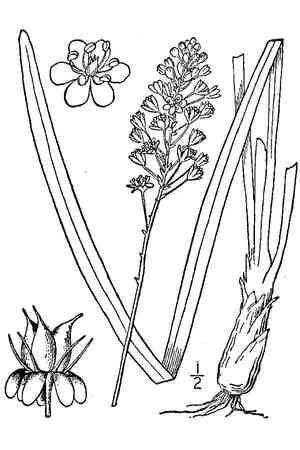
Fly poison (Amianthium muscitoxicum)
Also known as: Stagger grass
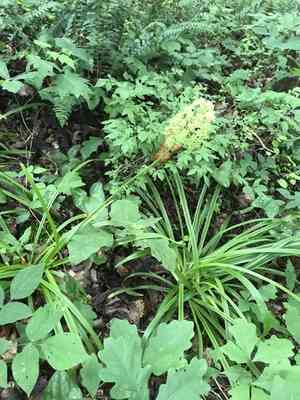
Fly poison (Amianthium muscitoxicum) is a herbaceous perennial known for its toxicity. It thrives in shady spots with nutrient-rich soil. This plant blooms in the summer, featuring showy white flowers. The blossoms are small, star-shaped, and arranged along a flowering stalk. The leaves resemble wide blades of grass.
In This Article
Attributes of Fly poison
Lifespan
Perennial
Plant Type
Herb
Plant Height
30 cm to 1.4 m
Spread
30 cm to 60 cm
Leaf Color
Green
Flower Size
2 cm to 3 cm
Flower Color
White
Images of Fly poison
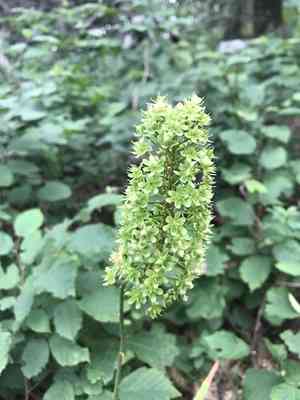
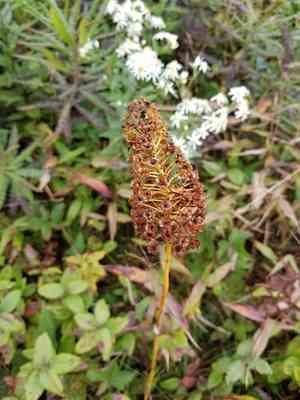
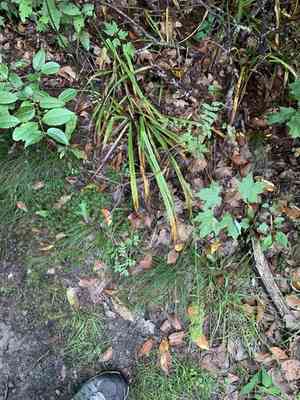
Quickly Identify Fly poison
1
Dense conical clusters of tiny white flowers transitioning to greenish, atop tall stems.
2
Linear grass-like leaves in a basal rosette arrangement, rich green in color.
3
Prominent center rib, veined grasslike leaves measuring 15 to 20 inches (38 to 51 cm).
4
Erect, unbranched stem with a green to slightly purplish hue, 0.2 to 0.4 inches (0.5 to 1 cm) diameter.
5
Notable dark brown three-beaked fruit capsule with bright orange seeds, textured surface.
Scientific Classification of Fly poison
Phylum
Vascular plants
Class
Monocotyledons
Order
Liliales
Family
Bunchflower
Genus
Camas
Species
Fly poison
Planting and Growing of Fly poison
Care Difficulty
Moderate
Watering Schedule
Every 2 days
Sunlight Requirements
Partial sun
Sunshine Duration
4-8 hours
Ideal Temperature
68-77℉
Soil Type
Potting Mix, Peat Mix
Soil pH
6.5-7.5
Fertilizer Type
Balanced
Pruning Season
Spring, Summer
Pruning Area
Branches, Leaves
Pruning Frequency
2 times a year
Repotting Season
Spring
Pot Type
Plastic, Ceramic
 How to Water Fly poison?
Amianthium muscitoxicum, commonly known as fly poison, requires careful watering. Ensure the soil is moist but not waterlogged, meaning water approximately 300 ml each time to maintain adequate moisture without drowning the roots.
What are the symptoms of an underwatered Fly poison?
›
What should I do if my Fly poison is not getting enough water?
›
What are the symptoms of an overwatered Fly poison?
›
How to save an overwatered Fly poison?
›
 What Are the Sunlight Requirements for Fly poison?
Amianthium muscitoxicum flourishes in partial sun to full shade, common in forest floors. This range optimizes photosynthesis without risking leaf scorch, promoting lush, healthy growth.
More About Sunlight Requirements Techniques→
How much light does it need daily?
›
Why avoid direct sunlight?
›
How to adjust light conditions?
›
 What Is the Ideal Temperature Range for Fly poison?
For optimal growth, Amianthium muscitoxicum prefers a temperature range between 68°F and 77°F. Within this range, the plant can effectively carry out photosynthesis and other crucial metabolic processes. Cool, moderate environments facilitate healthy foliage and blossom development.
 What Soil is Best for Fly poison?
Amianthium muscitoxicum thrives in well-draining soil to prevent root rot. This allows the plant to absorb nutrients effectively while maintaining healthy growth and prevents waterlogged conditions, which can be detrimental. The plant prefers soil with moderate fertility. This provides essential nutrients without overwhelming the plant, promoting steady growth and vibrant foliage. With a soil pH of 6.5 to 7.5 being ideal, Amianthium muscitoxicum can uptake nutrients optimally, ensuring robust health and resilience against pests and diseases.
 How to Fertilize Fly poison?
Amianthium muscitoxicum, also known as Fly Poison, requires a light touch when it comes to fertilization. A small amount of balanced fertilizer applied sparingly is often sufficient to support its growth. Specifically, using a liquid fertilizer diluted to half its suggested strength can prevent overfeeding.
 How to Prune Fly poison?
Begin by inspecting the plant and identifying any leaves or stems that appear wilted, discolored, or dead. These should be the first to go during the pruning process. Carefully cut these leaves or stems at the base where they meet the main plant without leaving stubs, which can become entry points for pests or diseases. If the plant looks untidy, lightly trim to maintain a balanced shape, making sure not to remove more than one-third of the plant at any time to reduce stress.
More About Pruning Techniques→
 How to Propagate Fly poison plant?
1
Collect mature seeds from the plant in late summer to early autumn when the seed pods turn dry and start to split. Ensure seeds are fully mature for better germination rates.
2
Sow the seeds in a seed tray filled with sterilized soil, covering them lightly with a thin layer of soil. Maintain a warm and humid environment to encourage germination, which can take several weeks.
3
Once seedlings have developed a few true leaves, transplant them into individual pots or a prepared garden bed, ensuring they receive adequate sunlight and water during the establishment phase.
 How to Repot Fly poison plant?
1
Amianthium muscitoxicum signals it's time for repotting when you notice roots growing out of the bottom drainage holes, or if the plant's growth becomes stunted. This typically happens every few years. Make sure to observe the plant's overall health and density to evaluate if a larger pot is necessary.
2
Select a pot that is one to two inches larger in diameter than the current pot. Amianthium muscitoxicum benefits from having ample room for root growth, which supports healthier foliage. Ensure the pot has excellent drainage to prevent standing water, which can lead to root rot.
3
Use a well-draining sandy loam soil mix, which replicates the plant's natural habitat. This type of soil ensures adequate water retention without becoming waterlogged, providing a stable environment for the roots to expand and breathe.
Toxicity
Ingestion
WARNING
The judgment on toxicity and danger is for reference only. We DO NOT GUARANTEE any accuracy of such judgment. Therefore, you SHALL NOT rely on such judgment. It is IMPORTANT TO SEEK PROFESSIONAL ADVICE in advance when necessary.
Learn More About Fly poison Diseases
Anthracnose
Bacterial Leaf Spot
Bacterial Soft Rot
Bacterial Wilt
Black Spot
Chemical Injury
Crown Gall
Cyst Nematode
Damping-off
Downy Mildew
Drought Stress
Fusarium Wilt
Gray Mold
Leaf Curl
Leaf Spot
Mosaic
Nutrient Deficiency
Nutrient Toxicity
Powdery Mildew
Root Rot
Root-knot Nematode
Rusts
Sooty Mold
Spider Mites
Temperature Stress
Thrips Damage
White Mold



