Optimal Soil for Growing Aizoon stonecrop: What You Need to Know
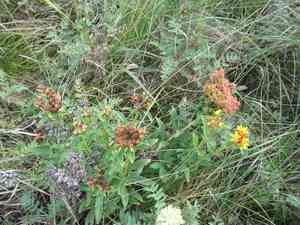
1
The optimal soil acidity for Aizoon stonecrop ranges from 6.5 to 7.5 to support robust development.
2
Aizoon stonecrop thrives in soil that drains effectively, avoiding root decay.
3
Routine soil analysis assists in detecting and resolving inadequate nutrient levels.
Optimal Soil Type for Aizoon Stonecrop
Soil Makeup
For Aizoon stonecrop to flourish, it requires a gritty, well-draining soil. This plant is accustomed to rocky, sandy habitats and will not perform well in dense, clay-rich soils that hold excessive moisture. Incorporating sand or small gravel into your garden soil can replicate Aizoon stonecrop's natural environment, ensuring proper moisture and aeration balance.
Preferred pH Levels
Aizoon stonecrop thrives in soil with a pH between 6.5 and 7.5. This slightly acidic to neutral range facilitates optimal nutrient absorption, promoting robust growth and abundant blooms. You can maintain this pH by routinely testing your soil and amending it with lime to increase pH or sulfur to decrease it as necessary.
Amending Soil for Aizoon Stonecrop
Enhancing Drainage
Proper drainage is vital for Aizoon stonecrop. To improve soil drainage, consider adding organic materials like compost or well-rotted manure. You can also mix in perlite or coarse sand to enhance the soil's structure and prevent waterlogging. Raised garden beds are an excellent solution to ensure quick water runoff, reducing the risk of root rot.
Incorporating Organic Material
Organic matter enriches the soil, supplying essential nutrients and improving its texture. When preparing the planting area for Aizoon stonecrop, blend in organic compost or leaf mold. This not only aids drainage but also fosters a healthy soil ecosystem, promoting better plant vitality and resistance to pests and diseases.
Testing Soil for Aizoon Stonecrop
Utilizing a Soil Test Kit
Testing your soil is a simple method to understand its pH and nutrient content. Soil test kits are readily available at garden centers and online. These kits typically involve collecting a soil sample from various garden areas, mixing it with water and a testing solution, and comparing the color result to a chart. This process helps you make informed decisions about necessary soil adjustments.
Interpreting Soil Test Outcomes
Once you have your soil test results, use them to precisely tailor your soil amendments. If the soil pH falls outside the ideal range of 6.5 to 7.5, adjust it accordingly. If nutrient deficiencies are identified, add specific fertilizers or organic matter to address those gaps. Regular soil testing ensures that Aizoon stonecrop continues to grow in an optimal environment.
Common Soil Issues and Solutions for Aizoon Stonecrop
Compacted Ground
Compacted soil can impede root development and water absorption, making it difficult for Aizoon stonecrop to flourish. To remedy this, regularly aerate your garden soil using a garden fork or mechanical aerator. Adding organic matter can also loosen the soil structure, facilitating better root expansion and nutrient uptake.
Nutrient Shortage
Nutrient deficiencies can manifest as poor growth or discolored leaves on your Aizoon stonecrop. Ensure your soil provides essential nutrients by incorporating well-balanced fertilizers. Alternatively, you can use compost or aged manure to naturally enrich the soil. Regular soil tests will help identify any persistent deficiencies so you can address them promptly.
Best Practices for Maintaining Soil Health for Aizoon Stonecrop
Mulching Strategies
Mulching is an excellent method to maintain soil health and moisture levels for Aizoon stonecrop. Organic mulches such as wood chips, straw, or shredded leaves help to retain moisture, regulate soil temperature, and suppress weed growth. Over time, these mulches decompose, adding valuable organic matter to the soil.
Consistent Soil Testing
To keep your Aizoon stonecrop thriving, make soil testing a regular part of your gardening routine. Aim to test your soil at least once a year. This allows you to detect and correct any imbalances or deficiencies early, ensuring your plants always have the optimal growing conditions they need.



