How to Prune Aizoon stonecrop?
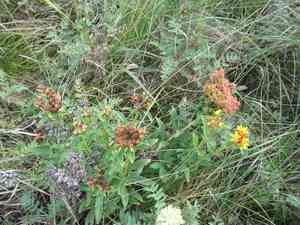
Recognized for its resilience and fleshy leaves, aizoon stonecrop flourishes with little attention. Essential trimming methods involve deadheading faded blossoms to stimulate further flowering and eliminating any impaired or ailing foliage. The most effective time for pruning is from the beginning of spring through the end of summer, coinciding with its period of active development. Consistent trimming preserves its form and fosters a dense, robust specimen. Advantages of pruning aizoon stonecrop encompass improved appearance, vitality, and bloom capacity.
What Are the Benefits of Pruning Aizoon Stonecrop?
What Are the Benefits of Pruning Aizoon Stonecrop?
Trimming aizoon stonecrop promotes robust development by eliminating dead or overgrown stems, which enhances air circulation and light exposure. Consistent shaping helps preserve its form for visual appeal and garden consistency.
What Is the Best Time for Pruning Aizoon Stonecrop?
What Is the Best Time for Pruning Aizoon Stonecrop?
Pruning in early spring is beneficial as it aligns with the start of aizoon stonecrop's active growth phase, following the last frost when the plant is emerging from dormancy. This timing allows for the removal of any dead or damaged parts before new growth begins, ensuring the plant's energy is directed towards developing healthy shoots. Late summer pruning, conversely, is appropriate as it coincides with the period after aizoon stonecrop has bloomed and when the plant is preparing for dormancy. Trimming at this time can help shape the plant, remove spent flowers, and encourage a more compact habit, without risking harm to the next season's blossoms. Avoid pruning during autumn or winter when the plant is most vulnerable to stress and potential damage from cold weather.
What Tools Do I Need to Prune Aizoon Stonecrop?
Hand Pruners
Hand pruners, or secateurs, are perfect for aizoon stonecrop as they enable precise cuts to remove dead or damaged foliage without disturbing the rest of the plant. Opt for bypass pruners for clean cuts or anvil pruners for dead material.
Pruning Snips
Aizoon stonecrop may require delicate trimming, especially in dense areas. Pruning snips are suitable for this task because they have slender blades that can navigate tight spaces and minimize harm to the surrounding succulent leaves.
Gloves
When pruning aizoon stonecrop, it is crucial to safeguard hands from potential irritation. Gloves are not a cutting tool but are essential for safety when handling the plant and its potentially sharp edges.
Cleaning Agent
To prevent the spread of disease, it is vital to use a cleaning agent on the pruning tools before and after trimming aizoon stonecrop. Alcohol wipes or a bleach solution can be used for this purpose.
How to Prune Aizoon Stonecrop
Step1: Identifying Plant Parts for Pruning
Sanitize your pruning tools with rubbing alcohol or a 10% bleach solution to prevent the spread of disease.
Step2: Sterilizing Pruning Tools
Begin with dead foliage. Carefully snip off dead or yellowing leaves at the base where they meet the stem. Do this by using clean, sharp scissors or pruning shears.
Step3: Removing Dead Foliage
Move to the damaged stems. Prune these stems back to a healthy section, making clean cuts just above a leaf node or a branching point. Ensure the cutting locations will promote healthy growth without leaving stumps.
Step4: Pruning Damaged Stems
Address old flowers by deadheading. Clip off spent flower stems down to the base of the stem or the next bud beneath the dead flower to encourage aizoon stonecrop to produce new blooms.
Step5: Deadheading Spent Flowers
After trimming, use your fingers or a small brush to gently remove any leftover plant debris from the crown of aizoon stonecrop to prevent rot.
Step6: Clearing Debris from Plant Crown
If necessary, lightly reshape aizoon stonecrop to maintain its natural form. Trim any outlying stems or overgrown sections but do not remove more than one-third of the plant's total mass at once.
Step7: Reshaping the Plant
Dispose of all cuttings and debris to reduce the chance of disease and pest infestation.
Step8: Disposing of Pruning Debris
Water aizoon stonecrop lightly after pruning to help reduce stress on the plant. Ensure proper drainage to avoid water staying around the base of aizoon stonecrop.
Step9: Watering Post-Pruning
Monitor aizoon stonecrop over the following weeks for signs of new growth and general health, providing proper care as needed.
Post-Pruning Care for Aizoon Stonecrop
Post-Pruning Care for Aizoon Stonecrop
Immediately after pruning aizoon stonecrop, ensure the plant is in a well-lit area but avoid direct harsh sunlight. Maintain moderate humidity and stable temperatures to prevent stress. Support aizoon stonecrop's recovery with balanced, diluted fertilizer, and provide adequate water without over-saturating the soil. Monitor aizoon stonecrop regularly for signs of stress, such as wilting or discolored leaves, and inspect cuts for infection. If symptoms arise, adjust care and consult an expert if necessary to ensure the plant's healthy growth.
Common Pruning Mistakes with Aizoon Stonecrop
Over-Pruning Harmful to Plant's Health and Shape
Pruning too aggressively can be detrimental to aizoon stonecrop. Some gardeners may cut back the plant too much, which can stress the plant and harm its natural shape.
Dull or Dirty Pruning Tools May Spread Disease
Using dull or dirty pruning tools may introduce disease to aizoon stonecrop or result in jagged cuts that can make the plant susceptible to pests.
Ignoring Dead Foliage Invites Pests and Disease
Neglecting to remove dead or damaged foliage can lead to pest infestations and disease, as well as affect the overall appearance and health of aizoon stonecrop.
Common Pruning Tips for Aizoon Stonecrop
Use Sharp, Clean Shears for Healthy Plant Cuts
Always use sharp and clean pruning shears to make clean cuts on aizoon stonecrop. This prevents damage to the plant and minimizes the risk of disease transmission.
Thin Stems for Better Airflow and Disease Prevention
When pruning, focus on thinning out crowded stems to improve air circulation. This helps prevent fungal diseases and encourages strong growth in aizoon stonecrop.
Deadhead Spent Flowers to Encourage New Blooms
Regularly deadhead spent flowers to promote more blooms and maintain the attractive appearance of aizoon stonecrop. Ensuring that the cuts are made just above a leaf node will encourage new growth.



