How to Overwinter Aizoon stonecrop
1
Aizoon stonecrop is a perennial that tolerates cold, making it ideal for cooler regions.
2
Applying mulch can shield Aizoon stonecrop's roots in winter by maintaining consistent soil warmth.
3
Trim and tidy the plant in fall to reduce the chance of diseases and pests surviving winter in plant matter.
What is Aizoon stonecrop?
What is Aizoon stonecrop?
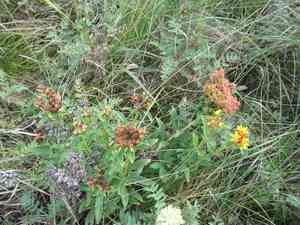
Aizoon stonecrop is a robust, low-growing succulent recognized for its dense foliage and vibrant yellow blooms. This perennial is favored by gardeners due to its minimal upkeep and ability to flourish in diverse environments, particularly in rock gardens and as ground cover. Its thick, fleshy leaves store water, allowing it to endure dry spells, while its frost resistance makes it ideal for regions with cold winters.
Preparing Aizoon stonecrop for Winter
When to Start Preparation?
Start getting Aizoon stonecrop ready for winter in early autumn, around late September to early October, before the initial frost. This timing provides a good balance, letting you complete necessary tasks while the weather remains agreeable.
Pruning and Cleaning the Plant
In autumn, trim off any dead or diseased stems and clear away fallen leaves or debris surrounding the plant. This tidying helps reduce the risk of fungi, mold, and pests that can overwinter and potentially harm the plant. Using clean, sharp pruning shears, cut back any unhealthy-looking stems to promote better airflow and overall plant health.
Fertilization Needs
Applying fertilizer to Aizoon stonecrop before winter can be beneficial, but it's essential to use a balanced, slow-release type. Apply the fertilizer in early autumn (September) to allow the plant ample time to absorb nutrients and strengthen its roots before dormancy. Avoid fertilizing too late in the season as this can stimulate new growth that may not survive the cold.
Mulching for Protection
Mulching is an excellent method to safeguard the roots of Aizoon stonecrop during winter. Use organic mulch such as straw, wood chips, or shredded leaves to cover the plant's base with a layer approximately 5-7 cm (2-3 inches) thick. This mulch helps insulate the soil, stabilizing temperature fluctuations and protecting against severe cold.
How to Protect Aizoon stonecrop in Frost
Understanding Frost Hardiness
Aizoon stonecrop is considered frost-tolerant, meaning it can withstand freezing temperatures to a certain degree. However, extreme frost can still cause damage. Understanding the plant's frost tolerance helps you prepare and provide essential protection during harsh weather.
Using Frost Cloths and Covers
During periods of severe frost, covering your Aizoon stonecrop with frost cloths or plant blankets can offer additional protection. These materials help to trap heat and shield the plant from direct frost. Ensure the covers are securely in place and extend to the ground to provide maximum protection.
Watering Tips During Frost
Proper watering techniques are crucial during frosty periods. Water the plant thoroughly before an anticipated frost to insulate the roots and maintain soil moisture. Avoid watering during or immediately before freezing temperatures, as this can lead to ice damage. Ensure the soil is well-drained to prevent waterlogging.
Post-Winter Care for Aizoon stonecrop
Removing Mulch and Debris
Once the last frost has passed, carefully remove the mulch and any debris from around the Aizoon stonecrop. This cleanup helps prevent mold growth and gives the plant space to thrive as it begins its new growth cycle.
Inspecting for Winter Damage
Check your Aizoon stonecrop for any signs of winter damage such as frostburn or stem breakage. Cut back any affected parts to encourage healthy new growth. Prompt attention to winter damage can prevent further issues during the growing season.
Early Spring Feeding
In early spring (March-April), consider feeding your Aizoon stonecrop with a balanced fertilizer to support new growth. This helps the plant recover from winter stress and encourages robust blooming and foliage development.
Monitoring New Growth
Keep an eye on the new growth of your Aizoon stonecrop as temperatures rise. Ensure the plant is receiving adequate water and sunlight, and be vigilant for any signs of pests or diseases. Regular monitoring helps catch issues early and promotes a healthy growing season.



